Early Signs of Postpartum Preeclampsia at 2 Weeks Postpartum
Understand the early signs of postpartum preeclampsia at 2 weeks postpartum. Learn key symptoms, what to do if you suspect it, and crucial recovery steps.
The Unseen Shift: What Are Early Signs of Postpartum Preeclampsia at 2 Weeks Postpartum?
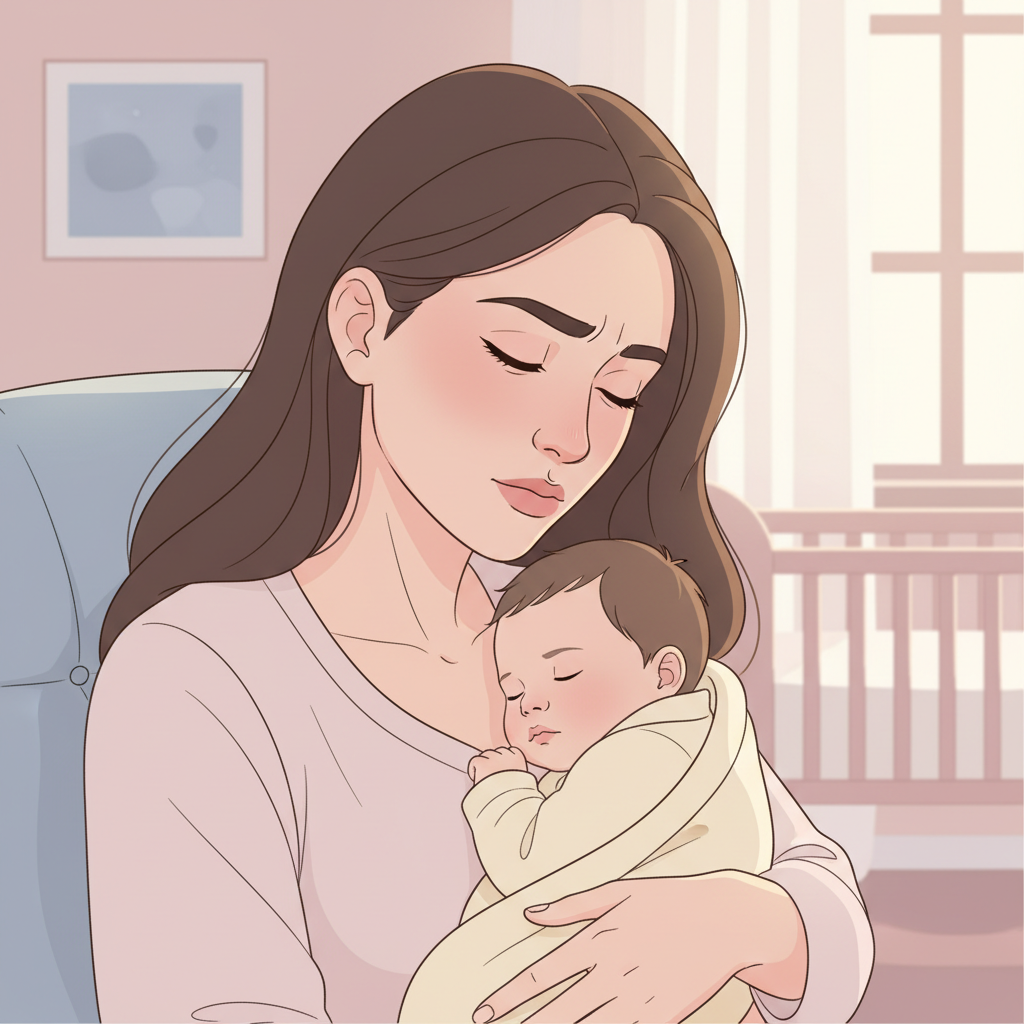
It was 4:17 a.m. when Noah finally drifted off to sleep, his tiny body a warm weight against my chest. The house was silent, a rare, fragile quiet. As I rocked him, I felt a dull ache behind my eyes that hadn't been there before. It was a small thing, easily dismissed in the haze of new motherhood. But it was a reminder that the most critical early warning signs of postpartum preeclampsia can sometimes feel as subtle as a whisper.
Nobody talks enough about what happens after the baby arrives. We're so focused on getting through labor and delivery that we sometimes forget our bodies are still undergoing massive changes. For some, these changes can include a serious condition called postpartum preeclampsia. Knowing the signs, especially in those first few weeks, is incredibly important.
Welcome to the Fourth Trimester (and Beyond)
This period, often called the "fourth trimester," is a wild ride. Your body is recovering, your hormones are doing gymnastics, and you're navigating life with a whole new tiny human. It's beautiful, exhausting, and frankly, a little overwhelming.
It's also a time when certain pregnancy complications, like preeclampsia, can unfortunately decide to stick around or even emerge for the first time after delivery. This is postpartum preeclampsia, and it's not something you can just shrug off. This is why it's so crucial to be aware of how to ask your OB about mental health screening during postpartum checkup and potential complications.
What Are Early Signs of Postpartum Preeclampsia at 2 Weeks Postpartum?
You're probably exhausted, right? So let's get straight to the point. When you're looking for postpartum preeclampsia symptoms, especially around the two-week mark, here are the key things to keep your eyes peeled for. These aren't always obvious, so pay attention to what your body is telling you.
Headaches That Just Won’t Quit
New moms get headaches. Lack of sleep, stress, caffeine withdrawal – the list goes on. But a postpartum preeclampsia headache is usually different.
It's often a persistent, severe headache that doesn't get better with rest or over-the-counter pain relievers. It might feel like a vise is tightening around your head.
Vision Changes: Blurring, Flashing Lights, or Spots
This is another big one. If you start noticing that your vision is blurry, you see flashing lights or spots, or you have temporary blind spots, it's time to get checked out. This is a pretty classic sign that something is off with your blood pressure, and it’s important to know when to contact your doctor or go to the nearest emergency room immediately.
Swelling That’s More Than Just Postpartum Edema
Some swelling is totally normal after giving birth. Your body retains fluid, and it takes time to get rid of it. But a sudden increase or severe swelling in your hands, face, or legs that's different from what you've been experiencing can be a red flag.
Notice if the swelling is pitting (you press on it, and your finger leaves an indentation). If it feels like your rings are suddenly too tight or your face looks puffy, don't dismiss it.
Sudden Weight Gain and When to Be Concerned
This ties into the swelling. Rapid weight gain, say, more than 2-4 pounds in a single day or 5 pounds in a week, is a strong indicator that your body is retaining too much fluid.
This isn't about fitting back into your pre-pregnancy jeans; this is about your health. Pay attention to the scale if you're already noticing increased swelling. This rapid weight gain, paired with potential swelling, can be incredibly taxing on a body that is already working hard to recover, especially for mothers managing managing postpartum fatigue with multiple young children.
Pain in Your Upper Right Belly or Shoulder
This pain can be tricky because it might not feel directly related to preeclampsia. It could be a dull ache or a sharp pain.
Sometimes, it's felt under the ribs on the right side. It can also radiate to your right shoulder. This might be caused by liver swelling, a serious sign noted in partner support for postpartum rage and irritability, as pain can be a source of significant distress.
Nausea, Vomiting, or Feeling Generally Unwell
If you're experiencing nausea or vomiting – especially if it's not linked to your feeding schedule or something you ate – and it comes on suddenly, consider it a warning sign.
Feeling overwhelmingly ill, with no clear reason, is also worth noting. Your body is trying to tell you something when it feels this off. This can be a sign of postpartum preeclampsia at home that needs immediate attention.
Postpartum Preeclampsia: Is It Worse Than Pregnancy Preeclampsia?
This is a question with no simple "yes" or "no" answer, and honestly, it's more about the unique challenges rather than a definitive "worse."
The Unique Challenges of Postpartum Onset
Discover your baby's phase
When preeclampsia happens during pregnancy, you're already under medical supervision. You're likely having regular check-ups, and your healthcare team is monitoring you closely.
With postpartum onset, the immediate postpartum period can be a bit of a blur. You might have had your doctor's visit at one week, and the next isn't for a while. This gap can mean that symptoms can sneak up on you without the usual watchful eyes around the clock. This highlights the importance of creating a positive postpartum recovery space at home to facilitate rest and self-awareness.
Understanding Risk Factors Post-Delivery
Certain things can increase your risk for developing postpartum preeclampsia. These include:
- Having preeclampsia or gestational hypertension during pregnancy
- A history of preeclampsia
- Chronic hypertension (high blood pressure before pregnancy)
- Diabetes
- Kidney disease
- Obesity
- Carrying multiples
Even if you didn't have preeclampsia during pregnancy, you can still develop it afterward. It's a complex condition, and sometimes the contributing factors aren't crystal clear until later. For those who have had pre-eclampsia, understanding and executing gentle C-section recovery exercises during the first 6 weeks is vital for overall healing.
How Long Should You Monitor for Postpartum Preeclampsia?
The postpartum period extends well beyond the initial days. Your body is in a constant state of adjustment for weeks.
The Critical Six-Week Window
Most healthcare providers recommend monitoring for postpartum preeclampsia symptoms for at least the first six weeks after birth. This is because the majority of cases occur within this timeframe.
It's during this period that your body is working hard to return to its non-pregnant state, and residual pregnancy hormones and fluid shifts are still significant.
When to Contact Your Doctor, No Matter What
Look, I can't stress this enough: if you experience any of the symptoms I listed above, especially if they are sudden or severe, call your doctor or go to the nearest emergency room immediately. Don't wait for your next scheduled appointment. Don't second-guess yourself. Your health is paramount. Creating a positive postpartum recovery space at home can make it easier to monitor yourself and rest when needed. It is always better to be safe than sorry.
What to Do If You Suspect Postpartum Preeclampsia
If you're reading this and thinking, "Wait, this sounds like me," the most important thing you can do right now is act.
- Contact your doctor or midwife ASAP. Be specific about your symptoms.
- Go to the emergency room. If your doctor advises it, or if you can't get through quickly enough, head to the ER. The urgency cannot be overstated.
- Do not drive yourself if you are experiencing severe symptoms like vision changes or dizziness. Have someone else take you or call for an ambulance.
- Stay hydrated but avoid excessive salt.
- Rest as much as possible, though this is easier said than done with a newborn!
The medical team will likely check your blood pressure, test your urine for protein, and potentially order blood tests. They are there to help you.
Beyond Symptoms: Life After Postpartum Preeclampsia
So, what happens after you've been diagnosed and treated? Life might feel a bit shaken, but there's a path forward.
Does Postpartum Preeclampsia Go Away?
The good news is that for most women, postpartum preeclampsia is temporary. Once your body’s systems regulate and any necessary medications are completed, the condition typically resolves.
However, it's a serious condition that requires proper medical management to prevent complications. This also means that any existing vaginal dryness postpartum breastfeeding discomfort solutions need to be addressed alongside the primary condition.
Focused Recovery and Long-Term Health
Your postpartum recovery will likely be focused on ensuring your blood pressure returns to normal and staying hydrated. Your doctor will guide you on when it's safe to resume normal activities.
Here’s the thing: having preeclampsia, either during pregnancy or postpartum, can increase your risk of developing high blood pressure and heart disease later in life. It's a crucial signal from your body.
This means:
- Follow-up care is essential. Keep all your postpartum appointments, especially those focused on blood pressure monitoring.
- Maintain a healthy lifestyle. Focus on a balanced diet, regular (gentle) exercise as cleared by your doctor, and stress management.
- Educate yourself and your family. Being aware of your increased risk allows you to be proactive about your long-term health. Talk to your doctor about regular check-ups for blood pressure and cholesterol.
You've just navigated pregnancy and childbirth, and now you’re navigating postpartum preeclampsia. You are strong, resilient, and capable of handling this. Remember to listen to your body, advocate for yourself, and lean on your support system. You are not alone, and taking care of yourself after this is not a luxury; it's a necessity.