Easy BLW Daycare Snacks: Quick, Safe & Nutritious Options
Discover the best easy baby-led weaning snacks for daycare. Get quick, safe, and nutritious ideas, plus essential packing and communication tips for busy parents.
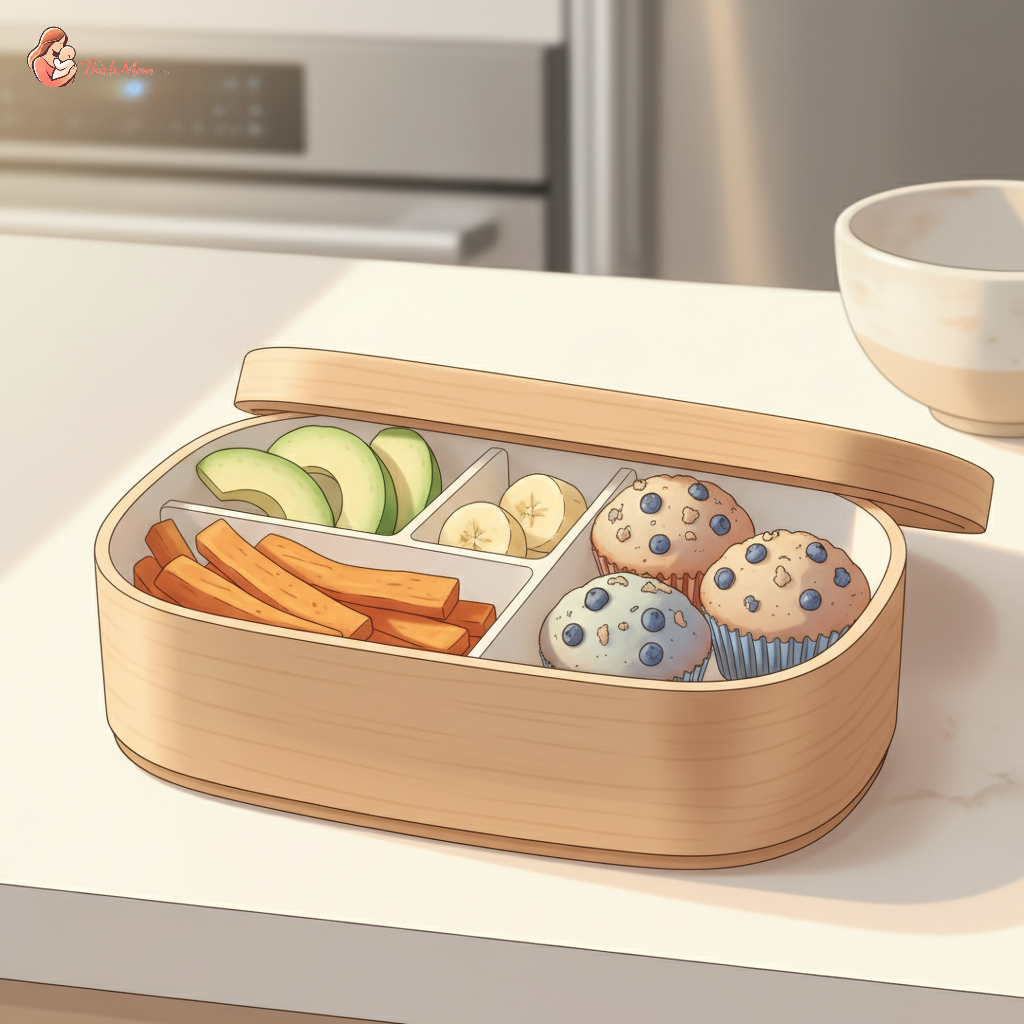
The Stealth Mission: Packing Baby-Led Weaning Snacks for Daycare
It’s 7:05 AM. I’m logging into my morning stand-up, remote control in one hand, a tiny, highly motivated human attempting to scale my leg with the other. My daughter, bless her adventurous heart, has just smeared yogurt across the dog, the coffee table, and what I suspect is the actual ceiling. This is the math of working motherhood, a constant equation where career goals meet sticky situations, and "balance" is a mythical creature whispered about in HR seminars. Let's be real: the systems most of us operate within weren't built for this beautiful chaos. So, you adapt. You build your own. And sometimes, that adaptation is about figuring out what are best easy snacks for baby led weaning daycare can handle, without you having a meltdown before your second coffee.
The idea of packing snacks for daycare can feel like a whole other project management task added to your already overflowing plate. You've spent months navigating the wonderful world of baby-led weaning (BLW) at home, celebrating those first independent bites. Now, you have to translate that into a format that’s safe, compliant, and frankly, acceptable to a facility with a whole lot more kids to oversee than you have in your own kitchen. It's a delicate dance, balancing your baby's burgeoning independence with the paramount need for safety and the practicalities of a group care setting.
The Daycare Snack Conundrum: BLW Meets the Rules
This isn't just about tossing some grapes in a bag. Daycare snack policies are usually designed with the broadest possible safety net in mind, which can sometimes feel at odds with the BLW philosophy of offering whole, minimally processed foods. The biggest hurdles? Choking hazards and allergies. Facilities often have strict guidelines on food textures and shapes to minimize risks for a wide age range of children, some of whom may not have developed the same chewing and swallowing skills as your own BLW pro.
Then there’s the whole allergy manifest – nuts, dairy, eggs, soy. Daycares often have a zero-tolerance policy, especially for common allergens, to protect all the children in their care. This means you need to be acutely aware of ingredients and how cross-contamination might occur, even with foods you’d consider safe. You’re not just packing snacks; you’re packing peace of mind.
What Makes a Snack "Daycare-Friendly"?
So, what's the golden ticket? A "daycare-friendly" snack is one that adheres to their specific rules, minimizes choking risks, is generally allergy-aware (or clearly labeled), and, ideally, is still nutritious and aligned with BLW principles. Think soft textures, easily chewable pieces, and minimal added sugars. This often means avoiding small, hard, round objects (like whole blueberries or cherry tomatoes), sticky foods that can clump, and anything that’s difficult to manage without supervision.
Navigating allergies with daycare requires clear communication and strict adherence to their policies. Often, they will ask for individually packaged items or specific containers for children with severe allergies. It’s a non-negotiable aspect of their safety protocol, and your cooperation is key.
No-Prep Powerhouses: Ready When You Are
When your alarm is blaring and your toddler is demanding breakfast now, the thought of prepping tiny snacks is exhausting. Fortunately, many of the best easy snacks for baby led weaning daycare are already in your pantry or fridge, requiring minimal to no effort. These are your secret weapons for busy mornings.
Fruit & Veggie Champs: Soft, Pre-Cut Options
Nature provides some incredible, grab-and-go wonders. Focus on fruits and vegetables that are naturally soft when ripe or easily steamed/baked to a tender consistency.
- Avocado Slices: Ripe avocado is soft, nutrient-dense, and easy for little hands to grasp. Cut into manageable strips.
- Banana Slices/Strips: A classic for a reason. Easy to hold and mash.
- Steamed Sweet Potato or Butternut Squash Sticks: Cook until easily pierced with a fork. These offer great flavor and nutrients.
- Ripe Mango Chunks: Soft and sweet, just cut into bite-sized pieces.
- Berries (Qualified): Larger berries like strawberries can be quartered. Small berries like blueberries or raspberries should generally be avoided unless mashed or blended due to choking risk, and are often best avoided for younger babies in a daycare setting unless specifically approved. Always check daycare policy.
Dairy Delights: Yogurt and Cheese Sticks
These provide calcium and protein, and many are naturally baby-led weaning friendly.
- Whole Milk Yogurt: Opt for plain, unsweetened varieties. Pack in a small, leak-proof container. You can add a tiny bit of fruit puree if your daycare allows.
- Cheese Sticks: String cheese or cheddar sticks cut into manageable "sticks" or small cubes are easy for toddlers to hold and gnaw on.
Grain-Go-Getters: Whole-Grain Puffs and Crackers
These are often store-bought, but can be a convenient addition.
- Baby Puffs: Look for options with minimal added sugar and whole grains. They dissolve easily, making them a safer bet for younger eaters.
- Whole-Grain Crackers: Larger, thinner crackers that soften easily when wet are ideal. Break them into smaller pieces. Ensure they don't contain choking hazards like seeds.
Low-Effort, High-Reward Homemade Daycare Snacks
While no-prep is king on chaotic mornings, having a few go-to homemade options can significantly boost the nutritional quality of your child's daycare snack rotation. The key here is batch cooking and smart freezing.
Batch-Cooking Breakfast Muffins (Egg-Free Options)
Muffins are brilliant because they’re portable and can be customized. For daycare, consider egg-free recipes if your child has an egg sensitivity or if the daycare has a strict egg policy.
- Banana Oat Muffins: Mash ripe bananas, mix with rolled oats, a bit of whole wheat flour, and maybe some unsweetened applesauce. Bake until firm.
- Zucchini Muffins: Grate zucchini finely and incorporate into a whole-grain muffin batter. The moisture from the zucchini keeps them soft.
- Storage: Let them cool completely, then store in an airtight container in the fridge for a few days or freeze for longer. Thaw overnight in the fridge.
Veggie Fritters: Make Ahead and Freeze
These are fantastic for incorporating extra veggies and are surprisingly sturdy.
Discover your baby's phase
- Sweet Potato & Spinach Fritters: Grate a cooked sweet potato, mix with finely chopped cooked spinach, a whole egg (or flax egg for egg-free), and a bit of whole-grain flour to bind. Pan-fry or bake until golden and firm.
- Zucchini & Carrot Fritters: Similar to above, using grated zucchini and carrots.
- Batch & Freeze: Make a large batch, let them cool, then freeze individually on a baking sheet before transferring to a freezer bag. Daycare can simply reheat them or serve them at room temperature if they soften sufficiently.
Simple Smoothie Pouches (Without Added Sugar)
Smoothie pouches are a lifesaver, but store-bought ones are often loaded with sugar. Making your own is simple, and you control the ingredients.
- Fruit & Veggie Base: Blend together fruits like berries, banana, and mango with mild veggies like spinach or a bit of steamed zucchini/cauliflower. Add a liquid like breast milk, formula, or unsweetened whole milk yogurt to achieve desired consistency.
- Portioning: Use reusable smoothie pouches. They are convenient for daycare and reduce waste.
- Important Note: Ensure the daycare has a procedure for handling pouches, especially if there are allergy concerns.
Snack Packing Smarts: Tips for Daycare Success
The actual packing process matters. A well-packed snack is more likely to be consumed, stay fresh, and avoid cross-contamination.
Containers That Keep Food Fresh and Safe
Invest in good quality, bento-style containers with separate compartments. This keeps different foods from migrating into each other and getting soggy. For liquids like yogurt or smoothies, clearly labeled, leak-proof containers or reusable pouches are essential.
- BPA-free materials are a must.
- Easy-to-open lids are crucial for caregivers who may be on a tight schedule.
- Insulated lunch bags can help keep perishable items cool, especially if daycare doesn't have ample refrigerator space.
Labeling Essentials: What Daycare Needs to Know
This is not optional. Clear, concise labeling is critical for identifying your child's food and communicating any specific needs.
- Your Child’s Full Name: Essential for ensuring the right child gets the right food.
- Ingredients (If Required): Some daycares will ask for a list of ingredients, especially for homemade items or if there are severe allergies.
- Allergen Information: If your child has an allergy, clearly mark it on every container. Follow daycare’s specific allergen labeling protocol.
- "For Day X": If you pack snacks that need to be consumed by a certain day, label it accordingly.
Communicating with Caregivers: A Partnership Approach
Your relationship with your child's caregivers is a partnership. Open communication about your child's feeding habits, preferences, and any concerns is vital.
- Share Your Child’s BLW Journey: Let them know what you’re working on at home. If your child is comfortable with certain textures or self-feeding, share that.
- Ask About Their Snack Times: Understand their schedule and how snacks are offered.
- Provide Clear Instructions: If you have specific requests (e.g., "please cut grapes in half lengthwise" – although best to avoid if possible for daycare), ensure they are clearly communicated and understood.
When to Call the Daycare (or the Pediatrician)
While we strive for smooth sailing, there will be times when you need to reach out for guidance or to report an issue.
Questions to Ask About Their Snack Policies
Before your child even starts, or if policies change, clarify:
- What are your snack guidelines for babies under one?
- What foods are prohibited (e.g., honey, seeds, whole nuts)?
- How do you handle food allergies and anaphylaxis?
- Do you provide snacks, or do I need to pack all of them?
- What is your policy on homemade versus store-bought snacks?
Recognizing Signs of Allergy or Intolerance
Familiarize yourself with common signs of food allergies and intolerances, which can sometimes manifest subtly. These can include:
- Skin reactions (hives, eczema)
- Digestive issues (vomiting, diarrhea, gas)
- Respiratory symptoms (wheezing, coughing)
- Behavioral changes (fussiness, lethargy)
If you notice any of these after your child has eaten something at daycare, or even something you've packed, it's time to consult your pediatrician.
Keeping Mealtime Positive and Stress-Free
Your child’s early experiences with food shape their relationship with eating. For them, daycare meals and snacks are part of their developmental journey. By providing nutritious, safe, and manageable options, and by fostering clear communication with the daycare team, you’re setting them up for success. This means allowing them to explore, to feed themselves (as much as their skills allow), and to enjoy the experience without pressure. Remember, you’re doing great work introducing them to a world of flavors and textures, even when you’re not there to witness every celebrated bite.
This isn't about achieving perfection or ticking every single box. It’s about finding your version of what works for your family, your career, and your child’s well-being within the constraints of the systems you navigate. You're managing a complex operation, and that deserves recognition. Grant yourself permission to define what success looks like, one well-packed snack at a time.