Encourage Verbal Communication in a Quiet 2-Year-Old
Discover gentle, effective strategies to encourage verbal communication in your quiet 2-year-old. Learn developmental milestones, playful approaches, and when to consult a pediatrician.
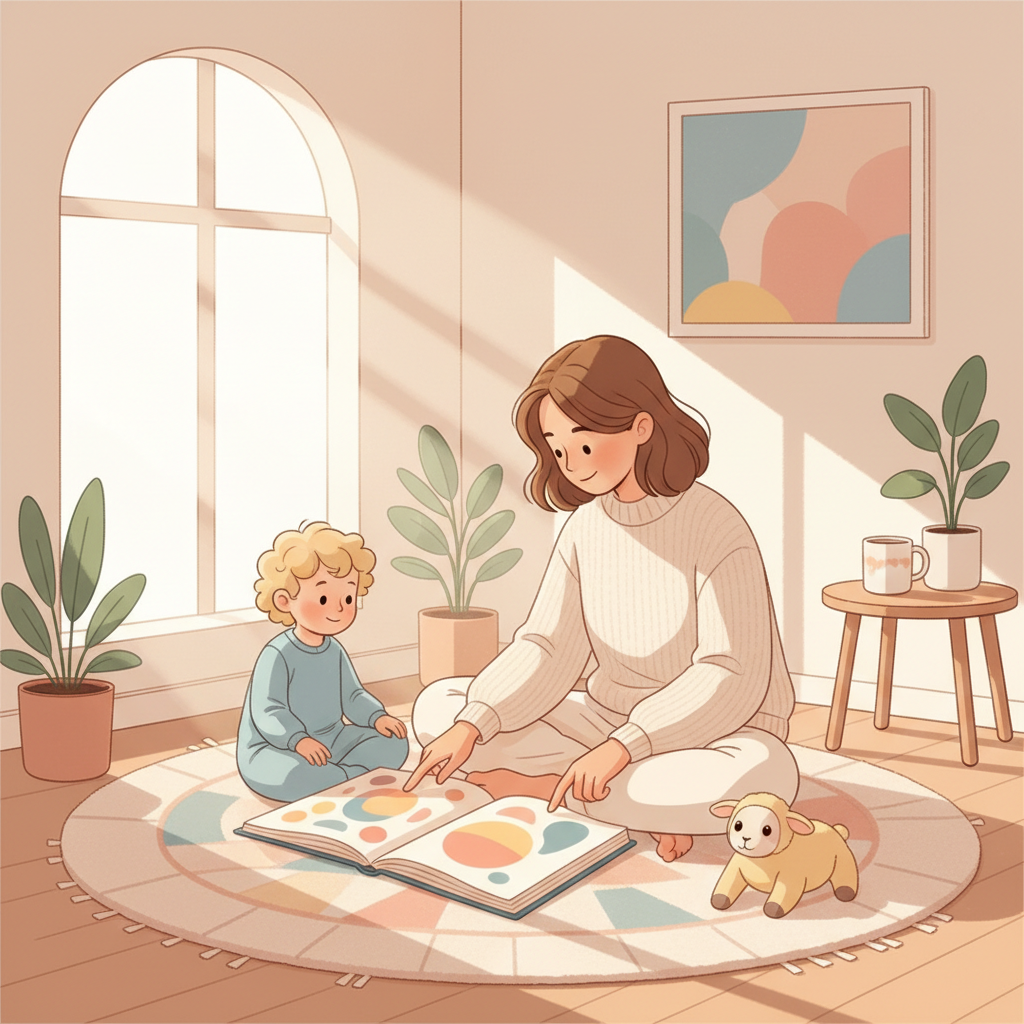
Encouraging Your Quiet Two-Year-Old to Find Their Voice
Your two-year-old is observant, perhaps a little reserved, and speaks fewer words than other children their age. How do you encourage verbal communication in a very quiet 2-year-old without adding pressure? This is a common concern for parents, and understanding typical language development is the first step.
Is Your Toddler's Quiet Nature Within the Typical Range?
A frequent question parents ask is: "Is it normal for a 2-year-old to barely talk?" The answer isn't a simple yes or no, as every child develops at their own pace. However, the American Academy of Pediatrics (AAP) provides guidelines on expressive language milestones.
By age two, most toddlers can say at least 50 words and may start putting two words together to form simple phrases, such as "more juice" or "mama go." They also typically understand many more words than they can say. If you're concerned about your child's language development, it's worth understanding more about toddler hearing screen and early intervention referral.
When does 'quiet' transition from a personality trait to a potential concern? The Centers for Disease Control and Prevention (CDC) offers developmental milestones that can help parents track progress. If your child isn't using at least 15 words by their second birthday, or if they aren't combining words, it might be time to pay closer attention.
A common scenario is the "2 year old not talking but understands." This often means your child can follow directions, recognize names of familiar people and objects, and process language effectively, even if their own spoken output is limited. This disparity is not uncommon, but it's helpful to actively nurture their expressive language skills. Understanding verbal stimming in toddlers with speech delay can also provide valuable insights.
Gentle Strategies to Spark Verbal Engagement
The goal isn't to force words but to create opportunities and respond in ways that make talking feel rewarding. Responsive communication, where you follow your child's lead, is a cornerstone. When your child points to a toy, instead of immediately getting it, narrate their interest: "You want the red ball!" This acknowledges their desire and models language.
The power of narration is immense. Simply describing your daily activities can introduce new vocabulary and sentence structures. While making lunch, you might say, "Mommy is chopping the carrots. They are orange and crunchy." This is a natural way for your child to absorb language without direct instruction.
Encouraging imitation and sound play can also be effective. Toddlers are often fascinated by sounds. Making animal noises, car sounds, or even funny mouth noises can be a low-pressure way to engage them vocally and build confidence to try actual words.
Playful Approaches to Encourage Language
Discover your baby's phase
Play is a toddler's work, and it's also their most effective learning environment. Turn-taking games are the foundation of conversation. Whether it's rolling a ball back and forth or building with blocks, pausing and waiting for your child to respond (even with a gesture or sound) teaches them the rhythm of communication.
Using books and songs is another wonderful method. Point to pictures in books and name them. Sing simple songs with repetitive lyrics and actions. Encourage your child to join in with sounds or words. Songs like "Old MacDonald Had a Farm" are fantastic for practicing animal sounds, which can often be a precursor to speaking words.
You may have heard about the 777 rule for toddlers. While not a formal clinical guideline, the concept suggests engaging in 7 minutes of focused, child-directed play, three times a day, for a total of 21 minutes daily. This dedicated, distraction-free time can significantly boost interaction and language opportunities.
Creating a Talk-Rich Environment (Without Pressure)
To foster a love of talking, it's helpful to create an environment that naturally encourages it. Minimizing distractions, like turning off the TV during playtime or meals, maximizes connection. When your child has your undivided attention, they are more likely to engage with you. For parents seeking to balance screen time, learning how to transition your toddler from baby TV to educational apps can be useful.
Offering choices can also encourage verbal requests. Instead of asking "Do you want a snack?" and getting a nod, try "Do you want the apple or the crackers?" This requires a verbal response and empowers your child.
Connecting with peers can be beneficial, but for a quiet child, it might require some initial guidance. Observe playdates to see how your child interacts. Sometimes, another quiet toddler might be a good fit, or a slightly more boisterous child can inadvertently model language. Focus on supportive social interactions. If you're preparing a sensitive child for daycare, preparing your sensitive child for group daycare can help ensure they feel more secure and communicative.
When to Consult Your Pediatrician
While many quiet toddlers develop on track, it's important to recognize red flags in language development. According to the AAP, by 18 months, a child should be using some words, and by 24 months, they should be using at least two-word phrases. Concerns also arise if a child is not understanding age-appropriate language or is losing previously acquired language skills.
If you find yourself wondering about "is it normal for a 2-year-old not to talk properly" or observing your "very active toddler not talking," it's a good time to prepare for a conversation with your child's doctor. You can keep a log of the words your child uses, the sounds they make, and their receptive language skills (what they understand). Note any gestures they use to communicate.
Preparing by noting these observations can help your pediatrician assess the situation more thoroughly. They may ask about your child's hearing, social interaction, and overall development. Based on the evaluation, they might recommend further observation, hearing tests, or suggest next steps like speech therapy or early intervention services, if needed. These services are designed to provide support and strategies to help children reach their communication potential.
For every child, the journey of language development is unique. By understanding the milestones, employing gentle encouragement, and knowing when to seek guidance, you can support your quiet toddler in finding their unique and wonderful voice.