Essential Stroller Features for NYC Public Transit
Discover crucial stroller features for navigating NYC public transit. Learn about compact folds, maneuverability, and safety must-haves for subway and bus travel.
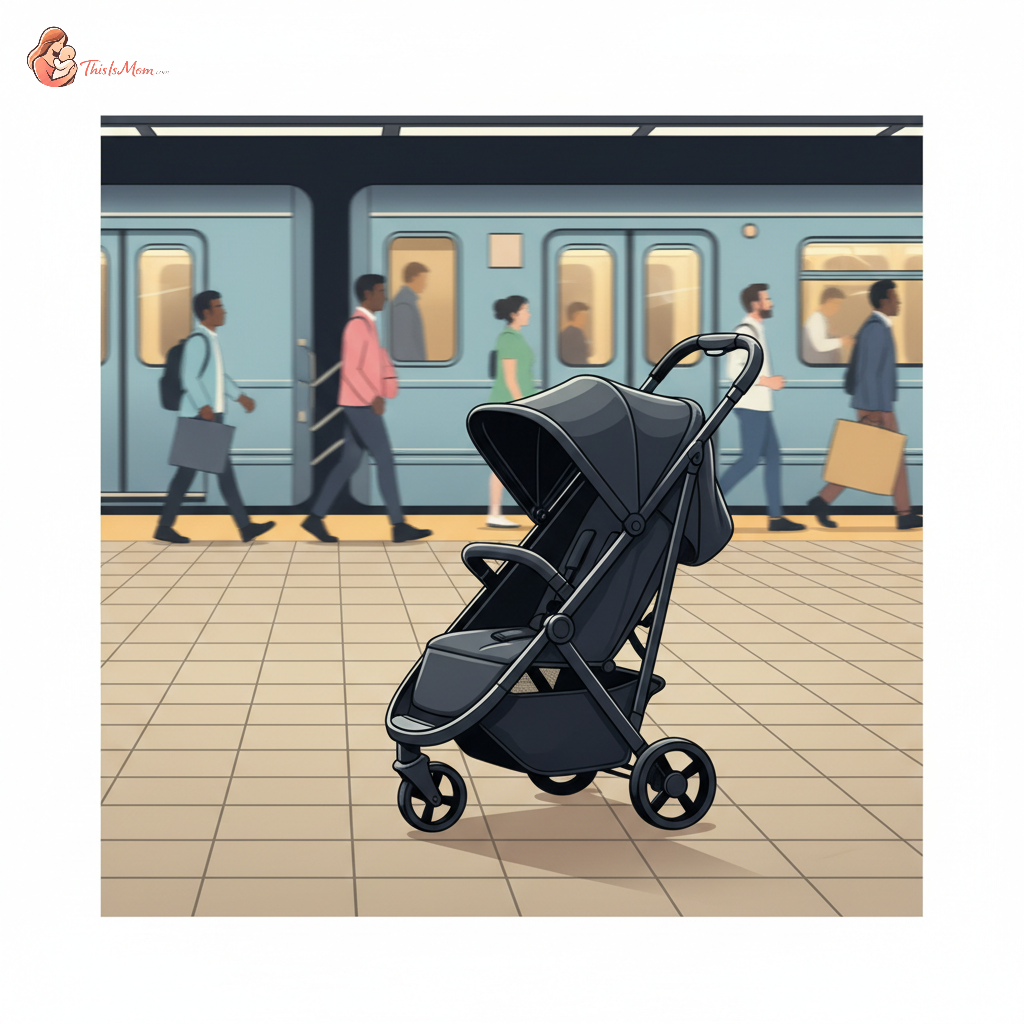
The Essential Stroller Guide for NYC Public Transit
In just 5 minutes, you'll know precisely which stroller features are essential for public transit users in New York, and which ones you can safely ignore. Having navigated countless subway stations, bus rides, and crowded sidewalks with my twins, I promise to save you hours of frantic online searching.
New York City presents a unique challenge for parents with strollers, with its historic subway system, bustling sidewalks, and unpredictable terrain. Finding the right stroller isn't just about your little one's comfort; it's about maintaining your sanity and mobility. This guide cuts through the noise to focus on what truly matters.
Why NYC Transit Demands a Smarter Stroller Choice
You're not merely strolling through a park here. You're juggling a baby, diaper bags, groceries, and the eternal quest for a working elevator.
- The Unique NYC Transit Gauntlet:
- Subways: Stairs are often the rule, not the exception, for many stations. Elevator access is spotty at best, and platform gaps can be terrifying with a stroller.
- Buses: You'll need to fold the stroller quickly. Buses have limited designated spaces, and drivers have varying degrees of patience.
- Sidewalks: Potholes, construction, street fairs, and throngs of people make for a bumpy, often chaotic ride.
- Balancing Act: You need a stroller that's as easy to maneuver through a crowd as it is to collapse and carry up flights of stairs. It must provide a safe, comfortable ride for your baby while remaining manageable for you, even when you're alone.
Essential Stroller Features for Urban Freedom
When your commute involves public transit, certain stroller features transform from "nice-to-have" to "absolute must."
Lightweight and Compact Fold: Your Transit Superpowers
This is the most critical factor for NYC public transit. If you can't lift it easily, or if it doesn't fold down small enough for tight spaces, you'll face constant frustration.
- Weight: Aim for under 20 pounds, ideally closer to 15. You'll be carrying this stroller up and down stairs, onto buses, and into your apartment.
- Fold: Look for a one-hand fold. This is crucial for when you're holding a baby. The resulting package should be as compact as possible. Bonus points if it stands on its own when folded.
- Travel Bags: Integrated or optional travel bags protect your stroller and simplify navigation during infrequent car trips or air travel.
Maneuverability: Navigating the Urban Jungle
While swivel wheels are standard, their performance varies significantly.
- Swivel Wheels (Lockable): Essential for tight turns in crowded shops or subway turnstiles. Ensure they lock securely for stability on uneven surfaces or when going up ramps.
- Wheel Size: Smaller wheels suffice for smooth sidewalks, but larger, shock-absorbing wheels handle potholes and cracks much better.
- Turning Radius: Test how easily the stroller pivots. A narrow turning radius is a lifesaver in crowded environments.
Storage and Accessibility: Where Does Everything Go?
When you're out all day, you need practical space for essentials.
- Under-Seat Basket: This is your lifeline for diaper bags, groceries, or purchases. It needs to be easily accessible, even when the seat is fully reclined. For a compact stroller, this can be a major compromise, so check dimensions carefully.
- Parent Console/Cup Holders: While not as critical as the main basket, a place for your coffee or phone offers welcome convenience.
Crucial Safety Features for NYC Journeys
Peace of mind is paramount when navigating busy streets and transit hubs with your most precious cargo.
What Are the Most Important Stroller Safety Features?
This goes beyond just a good harness.
- Five-Point Harness: Absolutely non-negotiable. It keeps your child securely seated and prevents them from climbing out. Ensure it's easy to adjust as your child grows.
- Stable Frame: The stroller should feel solid. A wobbly frame is a red flag, especially when dealing with bumps and inclines.
- Quality Brakes: Reliable brakes are critical for safety.
Brake Systems: Your Anchor in Chaos
Discover your baby's phase
When stopped on a crowded subway platform or a sloped sidewalk, your brakes need to perform flawlessly.
- One-Step Brake: A single pedal that engages both rear wheels is the most convenient and effective.
- Quality Materials: Cheap plastic brake mechanisms can fail. Look for sturdy metal or high-impact plastic that feels robust.
- Testing: Jiggle the stroller when the brake is engaged. It shouldn't budge.
Harnesses and Secure Seating for Bumpy Rides
A secure harness is only part of the equation — comfort and adaptability are also key.
- Padded Harness: For comfort on longer rides and to prevent chafing.
- Adjustable Straps: Essential as your baby grows. Easy adjustments mean you’re more likely to keep it properly fitted.
- Seat Recline: The ability to recline for naps is essential for happy babies. Ensure the recline mechanism is smooth and won't pinch fingers.
Mastering NYC Transit with Your Chosen Ride
Knowing the features is one thing; knowing how to use them in specific situations is another.
Subway Strategies: Escalators, Elevators, and Gaps
- Elevator Lottery: Your best bet is to prioritize stations with elevators. Check the MTA website or apps for real-time elevator status before you leave.
- Stairs: If no elevator is available, you'll likely need to carry the stroller. This is where lightweight design is king. Some parents opt for a baby carrier for subway-heavy days.
- Platform Gaps: Keep your child's head and limbs away from the gap between the train and platform. While some parents suggest larger, sturdier wheels can bridge small gaps more safely, extreme caution is always advised. Stick to the yellow line.
Bus Boarding: Folding and Designated Spots
- Fold Quickly: Be prepared to fold your stroller as soon as you board or even before. A one-hand fold is a lifesaver here.
- Designated Space: Most buses have a designated area near the front or middle. Be courteous and fold your stroller unless the space is clearly available and you have the driver's explicit OK.
- Maneuverability: Getting the folded stroller into the designated space requires good control.
Should I Bring a Stroller to New York? Tips for Visitors
Yes, if you plan on walking extensively and using public transit. However, choose wisely. A bulky, heavy stroller designed for off-road adventures will be a nightmare.
- Prioritize Compact: A lightweight, compact stroller is best suited for public transport users in New York.
- Consider a Baby Carrier: For shorter trips or if you anticipate many unmanageable staircases, a carrier is a fantastic alternative or complement.
- Check Accessibility: Always research subway station accessibility in advance if possible.
Making the Final Stroller Choice for Your NYC Family
It’s a personal decision, but one that should be firmly based on practical needs.
Testing Strollers in Real-Life Scenarios
- "Gym Test": Go to a store and simulate folding, unfolding, and lifting the stroller. Imagine doing it while holding a baby.
- Push It: Maneuver it around displays. Try sharp turns to assess the turning radius.
- Basket Access: See if you can easily reach the under-seat basket from all angles.
- Brake Check: Engage and disengage the brakes repeatedly to confirm their reliability.
Considering Your Daily Commute and Lifestyle
- Frequency of Transit Use: If you're on the subway daily, lightweight and compact are paramount. If you drive more, these might be less critical.
- Child's Age/Stage: Newborns might need more extensive features (lie-flat seat, bassinet option), while older toddlers prioritize seat comfort and ease of use.
- Apartment Stairs: Do you have to carry the stroller up multiple flights? This is a major determining factor.
When a Baby Carrier Might Be a Better Option
Honestly, for some days and some subway routes, a baby carrier is superior.
My recommendation is to have both if feasible. A carrier is fantastic for:
- Navigating stairs when elevators are out.
- Crowded buses where folding the stroller is difficult.
- Quick errands where setting up a stroller feels like too much work.
- Comforting a fussy baby who wants to be close.