Explain Postpartum Anxiety to Your Supportive Husband
Learn practical ways to explain postpartum anxiety (PPA) to your supportive husband. Understand PPA symptoms, use analogies, and get actionable advice for partner support.
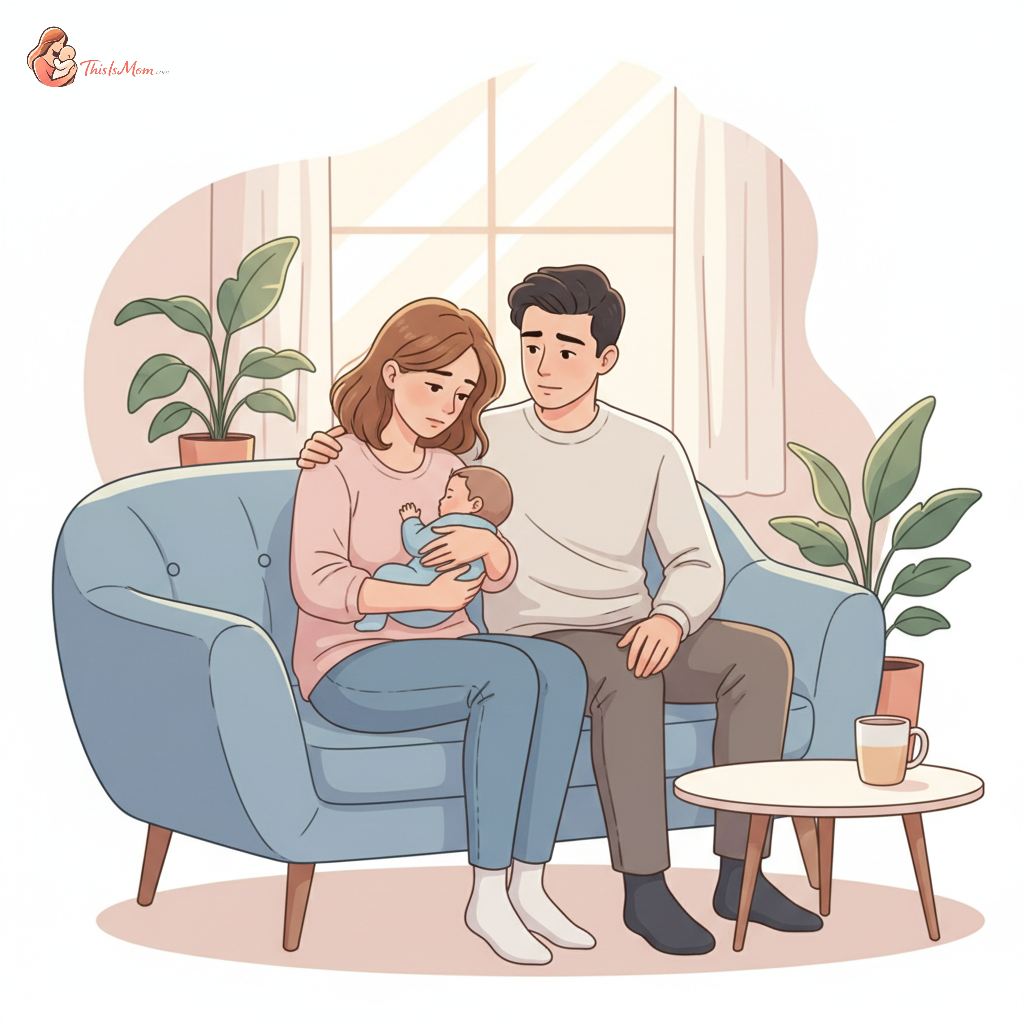
How to Explain Postpartum Anxiety to a Supportive Husband
It was the quietest part of the night, around 2:17 a.m. Noah was finally asleep, a tiny, warm weight against my chest. I was supposed to be resting, too. But my heart was pounding like I’d just run a marathon. My brain was a frantic hamster wheel, replaying every single minute of the day, searching for dangers I couldn't name.
This was postpartum anxiety, and while my husband was incredibly supportive, I felt like I was speaking a foreign language when I tried to articulate what was happening inside my head. Navigating that invisible chasm between what I was experiencing and what he could see was one of the hardest things I’ve done since becoming a mom. If you’re in a similar boat, trying to figure out how to explain postpartum anxiety to a supportive husband, know this: you're not alone, and it’s absolutely possible to bridge that gap.
It's More Than Just 'New Mom Jitters'
Let's be clear: the baby blues are common. Those hormonal shifts can make you feel weepy, emotional, and just generally off for a week or two. It’s like a hormonal hangover. But postpartum anxiety (PPA)? That’s a whole other beast.
For me, PPA felt like a constant state of high alert, dialed up to eleven. It wasn't just worrying about Noah’s breathing or whether he was getting enough to eat; it was an overwhelming, irrational fear that something catastrophic was about to happen.
- The 'what ifs' were relentless: What if I dropped him? What if I missed a sign of illness? What if I wasn't good enough? My mind conjured up every terrifying scenario imaginable.
- Physical symptoms were intense: Pounding heart, shortness of breath, dizziness, difficulty sleeping (even when Noah slept), and an inability to relax. My body was in fight-or-flight mode 24/7.
- Intrusive thoughts: These were the worst. Thoughts that popped into my head, completely out of character, often violent or disturbing, about harming Noah. This is a hallmark of PPA and is often accompanied by immense guilt and terror, not a desire to act on them.
The “normal” new mom jitters are part of the adjustment. Every mom worries. But when those worries consume you, interfere with your daily life, and feel impossible to shake, it’s time to look closer. It’s when the anxiety starts dictating your actions and making you feel like you’re drowning.
Why It's So Hard to Explain (and Why You Should Anyway)
Honestly, the invisible load of new motherhood is heavy. Add PPA to the mix, and it feels like you’re carrying lead weights while simultaneously trying to balance on a tightrope. It’s an internal battle that your partner can’t see, no matter how much they love you.
You might feel guilty for being anxious, thinking, "I have this amazing husband, this beautiful baby, what right do I have to feel this way?" That guilt is a huge part of the stigma surrounding postpartum mental health. The truth is, PPA is a medical condition, a complication of childbirth just like any other. It has nothing to do with your strength, your love for your baby, or your capability as a mother.
But here’s the thing: while it’s hard, communicating is crucial. My husband’s support was a lifeline, but he couldn’t truly support me if he didn't understand the depths of what I was going through. Open communication, even when it feels awkward or scary, helps both of you. It’s the first step towards him understanding your postpartum anxiety communication needs and building a stronger, more informed support system for you. His ability to offer husband support postpartum hinges on his comprehension.
Practical Ways to Talk About Postpartum Anxiety to a Supportive Husband
Finding the right moment is key. You don't want to try and explain complex emotional states when you're exhausted, or he's rushing off to work, or the baby is screaming. Try to find a relatively calm moment, perhaps when you're both sitting down after the baby is asleep, or even over text if that feels easier for you initially.
Discover your baby's phase
- Choose your timing: A quiet evening, a weekend afternoon when you both have a moment.
- Start with "I" statements: Frame it around your experience. "I've been feeling..." or "I'm struggling with..." This avoids sounding accusatory and focuses on your internal state.
- Use analogies: This is where I found so much success. My husband isn't a therapist; he's an engineer. He understands systems and malfunctions.
- "It's like my brain's alarm system is broken. It's constantly going off, even when there's no danger."
- "Imagine your computer froze, and you just couldn't close the windows or get it to do what you wanted. That's kind of what my mind feels like sometimes."
- "It's like looking through a dark filter all the time. Everything feels scarier and more overwhelming than it probably is."
When you talk about the symptoms, be specific. Don't just say "I'm anxious."
- Physical: "My heart races for no reason, and I feel out of breath. I can't sleep even when I'm exhausted."
- Mental/Emotional: "I'm having these scary thoughts that I can't stop, and they terrify me. I keep replaying things, worrying about everything. I feel this constant dread."
The goal isn't to have him diagnose you, but to help him understand the reality of what you’re experiencing. This is how you can begin to foster his understanding of explaining PPA to partner.
How Your Husband Can Support You (and Himself)
Once you've opened the door, your husband can move from simply being supportive to being actively supportive. His role in helping with postpartum anxiety signs and management is huge. Here are some actionable ways he can help:
- Listen without trying to fix everything: Sometimes, just being heard is the biggest relief. Ask him to just listen when you’re having a tough moment.
- Validate your feelings: Phrases like "That sounds really hard" or "I can see why you're struggling" go a long way.
- Help create space for you: This could mean taking the baby for a specific block of time so you can shower, nap, or even just sit in silence. It could also mean helping shield you from overwhelming visitors or obligations.
- Be patient: Recovery isn't linear. There will be good days and bad days. Gently remind him that PPA isn't something that disappears overnight.
- Encourage professional help: He can be your cheerleader and advocate when it comes to talking to doctors or therapists.
- Educate himself: Suggest he read articles (like this one!) or books about PPA. The more informed he is, the better equipped he’ll be.
It's also vital he supports himself. This is a stressful time for him, too. Encourage him to talk to his own friends, family, or even a therapist if he's feeling overwhelmed. He can't pour from an empty cup. His own well-being is just as important as yours.
When Words Aren't Enough: Seeking Professional Help
This is the most important part: PPA is a treatable condition. You don't have to white-knuckle your way through it alone, even with a supportive husband.
- Talk to your OB-GYN or primary care physician: This is your first and most important stop. They can screen you for PPA, rule out other medical issues, and discuss treatment options. Don’t downplay your symptoms. Be honest about the intensity and frequency of your anxiety.
- Consider therapy: A therapist specializing in perinatal mental health can provide coping strategies, help you process intrusive thoughts, and offer a safe space to explore your feelings. Cognitive Behavioral Therapy (CBT) and Exposure and Response Prevention (ERP) are often very effective for PPA.
- Medication: For some moms, medication can be a crucial part of recovery. Antidepressants and anti-anxiety medications can be safe and effective during breastfeeding, but always discuss this thoroughly with your doctor.
- Support Groups: Connecting with other new moms who understand what you're going through can be incredibly validating and empowering.
Involving your partner in this journey is key. Share the information you learn, go to appointments with him if you’re comfortable, and discuss treatment plans together. His understanding and participation can make a world of difference.
This whole motherhood thing? It’s messy, it’s beautiful, and sometimes, it’s completely terrifying. Postpartum anxiety is not a sign of failure; it’s a sign that you are navigating one of the most profound life changes imaginable. Be gentle with yourself, lean on your partner, and don't hesitate to seek help. You deserve peace, and it is absolutely within reach.