Explaining Postpartum Hair Loss to Older Children Sensitively
Learn how to talk to your older children about postpartum hair loss in a sensitive and reassuring way. Understand what to say and common concerns.
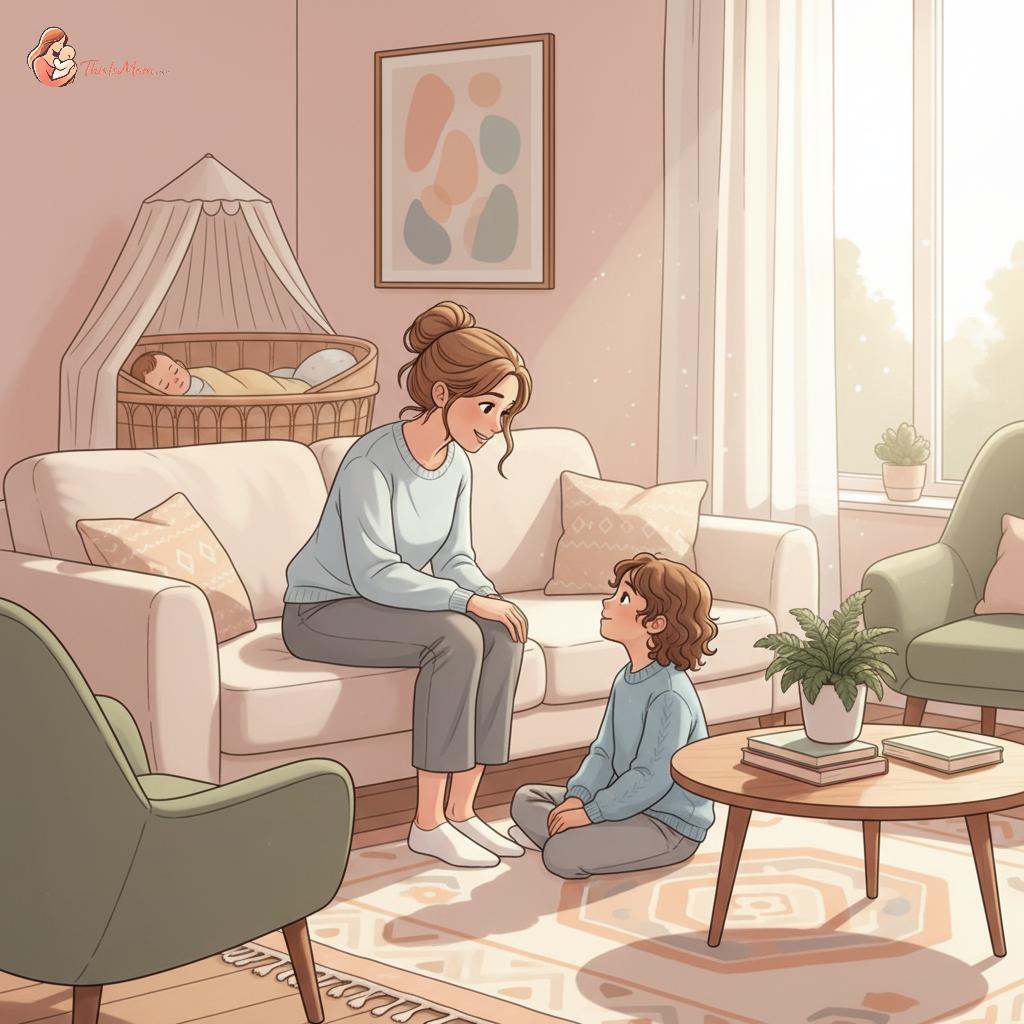
When Your Hair Starts to Fall Out: Explaining Postpartum Hair Loss to Older Children Sensitively
It’s 5 AM. The baby monitor’s gentle hum is the only sound in the house, and I’m standing in the bathroom, staring at the drain. My hair. It’s everywhere. In the sink, on my shoulders, clinging to my pajamas. And it’s not just a few strands today. It’s a whole vibe. This is the real, unfiltered reality of postpartum hair loss and trying to figure out how to talk about it with my older kids.
I had no idea my hair would do this. I mean, I knew about the baby weight and the sleep deprivation. But the shedding? It’s next-level.
The Great Hair Escape: What’s Happening to Mommy’s Mane?
So, what exactly is this postpartum hair situation? It’s often called telogen effluvium, which sounds more dramatic than it feels when you’re just trying to brush your hair without weeping.
Basically, during pregnancy, your hormones are sky-high, and they keep your hair from falling out at its usual rate. Think of it as your body’s way of preserving every bit of you for the growing human inside.
But once the baby arrives, those hormone levels drop. This sudden shift signals a lot of hairs that were “on pause” to start shedding all at once. It’s like a synchronized hair drop, and it can be pretty startling to see.
And is it normal? Oh, y’all, it is so normal. Like, expectedly normal. Most pediatricians and OB-GYNs will tell you this is a very common, temporary change after childbirth.
Gearing Up for the Chat: How to Talk About Mommy’s Shedding
Okay, so you’ve got this… situation. And your curious kids are going to notice. They’ll see the hair on your brush, maybe even find a little tumbleweed of it on the floor.
The first thing I learned was to just keep it simple. They don’t need the scientific explanation of telogen effluvium. They need to know what’s up in a way that makes sense to them.
And the most important piece of reassurance? Mommy is healthy and okay. This is not a sign that you’re sick or that something is drastically wrong. It’s just a body thing.
Analogies work wonders. Think about how a snake sheds its skin, or how a tree loses its leaves in the fall. It seems dramatic, but it’s part of a natural cycle, and new things grow back.
The Real Deal: What to Say When They Ask
Gather your clan. Whether it’s one older child or a whole crew, find a calm moment to have the conversation.
Discover your baby's phase
For the younger ones, you might say something like: "Hey sweetie, you might have noticed Mommy’s hair is coming out a little more than usual right now. That’s because my body is going through some changes after having the baby." This is a good time to consider how to help 4-month-old sleep through the 4-month regression as babies often go through many changes around this time.
If they ask why, you can add: "When I was pregnant, my hair decided to stay put. Now that the baby is here, all those hairs are deciding it’s time to say goodbye, and they’re falling out. It’s totally normal, and my hair is going to grow back!"
For older kids, you can be a little more detailed. "My body made a lot of extra hair while I was pregnant because it was keeping everything strong for the baby. Now that the baby is here and strong, my body is getting back to its normal routine, and that means some hair is shedding. It’s temporary."
Always be ready for their questions. They might ask if you’re going to go bald, or if you’re going to find hair everywhere forever.
Here are some things they might worry about:
- "Are you going to be bald?" Reassure them that this is a temporary shedding phase, not permanent hair loss.
- "Is there something wrong with you?" Emphasize that you are healthy and this is a normal postpartum change.
- "Will my hair fall out too?" Explain that this happens to moms after babies, and it’s not something kids typically experience.
Try to frame it in a positive light. "My body is amazing! It grew a whole person, and now it’s just getting back to its regular rhythm. My hair is part of that amazing process." This can turn a potential worry into a wonder.
Life with a Shedding Head: Managing It All, and the End in Sight
So, how do you manage the daily reality of postpartum hair loss, especially with little eyes watching?
- Brush your hair over the trash can. It sounds silly, but it makes cleanup way easier.
- Keep a little baggie or bin handy for loose hairs. You can empty it later.
- Style your hair in ways that camouflage thinning. Ponytails, buns, or even cute headbands can be your best friends.
- Invest in a good hair catcher for your shower drain. Seriously, this is a game-changer.
Now, the big question: does postpartum alopecia go away? Yes! The good news is that for most people, this is a temporary condition. Your hair will eventually grow back. Learn more about clogged milk duct vs. mastitis relief in case you experience swelling, as this can sometimes be related to postpartum symptoms.
When does postpartum hair loss typically stop? This can vary, but generally, the shedding phase is most intense between 3 to 6 months postpartum. The hair growth usually starts to pick up around the 6-month to 1-year mark, and your hair should return to its normal thickness over time. It might take up to 18 months or even two years for your hair to feel completely like its old self again.
The 'Why' Behind It All: A Little Grace for You (and Your Hair)
Here's the truth: you’re navigating so much right now. You’re learning a whole new rhythm, a whole new person. Your body has done incredible, monumental work.
This hair loss is just another reminder that you’re in a season of change. It’s okay to feel a bit disheartened by it, but try to offer yourself the same grace and understanding you’d give a friend.