20+ Questions to Ask at Your First Prenatal Appointment
Prepare for your first prenatal appointment with this essential checklist of questions for your OB-GYN, covering health, lifestyle, logistics, and more.
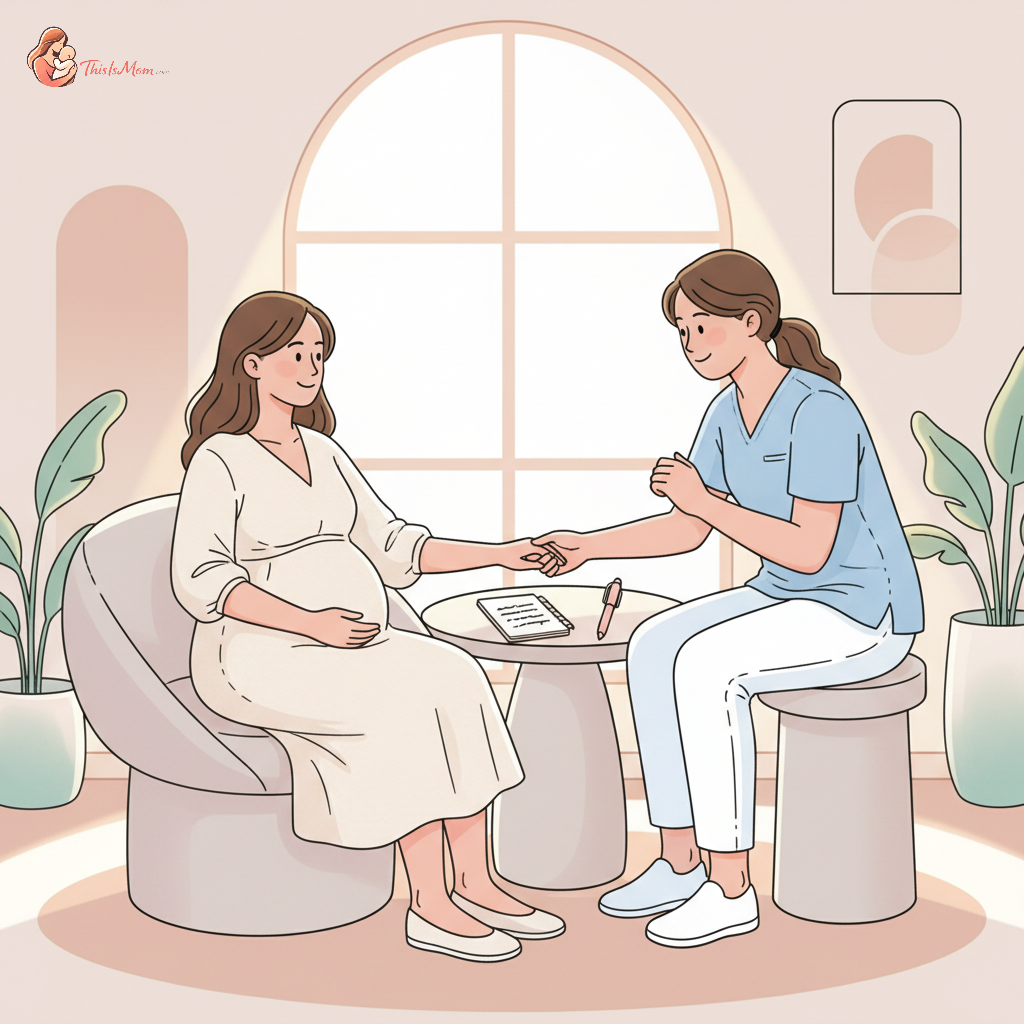
Your First Prenatal Appointment: Essential Questions for Your OB-GYN
It’s completely normal to feel a swirl of emotions and a million questions as you embark on your pregnancy journey. Your first prenatal appointment is a foundational moment, setting the stage for the months ahead. This visit is your chance to connect with your care provider, establish a partnership, and build a strong understanding of what your pregnancy will look like. Asking questions is not just recommended; it’s a vital part of feeling informed and in charge from the very beginning.
Stepping into Your Pregnancy: What to Expect and Why It Matters
What Happens During Your First Prenatal Visit?
Your first prenatal visit is usually a bit longer than subsequent ones. It's often referred to as an intake appointment. Your provider will likely start by gathering a comprehensive medical history, including past pregnancies, surgeries, and any chronic conditions. They’ll discuss your current medications and supplements. You can expect a physical exam, which may include a pelvic exam, Pap smear, and breast exam. They’ll also likely order initial blood work to check your blood type, Rh factor, and screen for various conditions. Urine samples are standard, and they'll measure your weight and blood pressure. Don't be surprised if they ask about your family's health history and your lifestyle.
Why Asking Questions is Key to an Empowered Pregnancy
Think of this visit as building the bedrock of trust and understanding for your entire pregnancy. When you ask questions, you’re actively participating in your own care. This isn't about being difficult; it's about being informed and making informed choices. Your OB-GYN or midwife is your partner in this journey, and they want you to feel comfortable and confident. The more you understand, the better equipped you'll be to navigate the incredible experience of growing a human.
Top Questions About Your Health & Pregnancy Journey
This is your opportunity to lay it all out on the table regarding your health and the unfolding journey of your pregnancy.
Personal Health History and Current Medications
Before diving into pregnancy specifics, it’s crucial to ensure your provider has a complete picture of your health.
- "Are there any specific health conditions I have that might affect my pregnancy?"
- "Are any of the medications or supplements I'm currently taking unsafe during pregnancy?"
- "What are the recommended prenatal vitamins and supplements for me?"
Understanding how your current health status interacts with pregnancy is a vital first step.
Genetic Screening and Prenatal Testing Options
Many expectant parents want to know about the options available to screen for genetic conditions.
- "What are the different types of prenatal genetic screening and diagnostic tests available, and what do they look for?"
- "What are the risks and benefits associated with each test?"
- "When is the best time to perform these tests, and what are the costs involved?"
Your provider can explain the nuances of each option, empowering you to make choices that align with your values.
Understanding Your Estimated Due Date (EDD)
While an EDD is an estimate, it's a crucial marker for tracking your pregnancy.
- "How is my estimated due date calculated, and how accurate is it?"
- "What is the typical range for a full-term pregnancy?"
Knowing this helps you and your provider monitor your baby's growth and development.
Managing Common Early Pregnancy Symptoms
The early weeks can bring a host of new sensations.
- "What are the most common early pregnancy symptoms I should be aware of?"
- "What are safe and effective ways to manage nausea, fatigue, or frequent urination?"
- "When should I be concerned about certain symptoms, and how do I reach you if I am?"
Having strategies in place can make a significant difference in your comfort.
Logistics & What Comes Next: Questions for Your OB
Beyond your personal health, understanding the practicalities of your care is essential.
What's the Schedule for Future Prenatal Visits?
Prenatal appointments follow a pattern, but it’s good to know the general roadmap.
- "How often will I typically need to come in for prenatal appointments as my pregnancy progresses?"
- "Will the frequency of appointments change as I get closer to my due date?"
This helps you plan work and life around your appointments.
Who Will Be Part of My Care Team?
It’s reassuring to know who you might encounter during your pregnancy and labor.
- "Will I be seeing the same doctor(s) throughout my pregnancy, or will I meet other providers?"
- "What is your practice's policy on on-call physicians or midwives during labor?"
- "Who will be available to answer my questions between appointments?"
Understanding your care team provides a sense of continuity and support.
Facility Policies for Labor and Delivery
Discover your baby's phase
Familiarizing yourself with the hospital or birth center policies can ease anxieties about your birth experience.
- "What are the visitor policies for labor and delivery?"
- "What pain management options are available at the facility?"
- "What are the hospital's guidelines on intermittent fetal monitoring versus continuous monitoring?"
Knowing these details beforehand can help you prepare for what to expect in the delivery room.
When and How to Contact the Office with Concerns
Clear communication channels are vital for your peace of mind.
- "What is the best way to contact your office if I have a non-urgent question?"
- "What are the specific signs or symptoms that warrant an immediate call or a visit to labor and delivery?"
Knowing when to reach out can help you feel more secure.
Important Lifestyle & Partner Questions to Ask
Your daily habits and your partner's involvement play a big role in a healthy pregnancy.
Diet, Exercise, and Activity Recommendations
Making healthy choices is a cornerstone of pregnancy.
- "What are your recommendations for a healthy pregnancy diet?"
- "What types and levels of exercise are generally considered safe during pregnancy?"
- "Are there any activities I should avoid?"
These guidelines help you nourish yourself and your growing baby.
Travel Guidelines During Pregnancy
If you enjoy traveling, it's wise to understand the recommendations.
- "Are there any safety guidelines or recommendations regarding travel during pregnancy?"
- "Is there a point in the pregnancy when travel becomes inadvisable?"
Discussing travel plans allows your provider to offer personalized advice.
Questions for Dads or Partners to Ask at the First Appointment
Partners play a crucial role, and their questions are important too.
- "How can I best support my partner during pregnancy and labor?"
- "What are the signs of a healthy pregnancy that I should be looking for?"
- "What is the role of a partner during prenatal appointments and during labor and delivery?"
Encouraging partners to speak up validates their involvement and fosters a team approach.
Resources for Support Groups or Prenatal Classes
Connecting with others and gaining knowledge can be incredibly beneficial.
- "Do you recommend any prenatal classes or childbirth education courses?"
- "Are there any local support groups for expectant parents that you know of?"
These resources offer valuable community and education.
Preparing for Your Visit: Tips for a Productive Appointment
Making the most of your first prenatal visit is about preparation and feeling ready to engage.
Bringing a Trusted Partner or Support Person
Sharing this experience from the start can be comforting.
- Having a partner, friend, or family member with you can provide an extra set of ears for listening and a second set of eyes for note-taking. They can also offer emotional support and help you remember important questions that might slip your mind in the moment.
Making a List and Taking Notes
An organized approach ensures you cover all your bases.
- Write down all your questions ahead of time. During the appointment, designate someone to take notes, or take them yourself. This way, you can review the information later, especially when you're feeling overwhelmed or tired.
Don't Be Afraid to Ask 'All the Things'
There’s no such thing as a silly question when it comes to your pregnancy.
- Your provider is there to guide you. If something is on your mind, whether it seems big or small, bring it up. This is your body and your journey, and you have the right to feel informed and confident about every aspect.