FSA/HSA Eligible Breast Pump Parts (No Rx Needed!)
Discover which breast pump parts are FSA/HSA eligible without a prescription, including flanges, valves, tubing, and more. Save money on essential pumping supplies.
FSA/HSA Eligible Breast Pump Parts: What You Can Buy Without a Prescription
It’s 7:15 a.m., and I’m trying to log into my team’s daily stand-up while simultaneously negotiating with my three-year-old over the strategic placement of a rogue Cheerio. This is the math of working motherhood: you’re constantly integrating, not balancing, and sometimes, you just need a win that doesn't involve toddler negotiations. Today, that win is understanding exactly what breast pump parts are FSA eligible without a prescription. Those little pieces have the uncanny ability to disappear or wear out at the exact worst moment.
For pumping parents, navigating FSA (Flexible Spending Account) and HSA (Health Savings Account) eligibility can feel like another complex project. You’re already juggling work deadlines, childcare logistics, and the sheer weight of invisible labor. When it comes to getting reimbursed for indispensable pumping supplies, clarity is key. Understanding what your FSA/HSA dollars can cover, especially for those essential breast pump parts that are FSA eligible without a prescription, can save you significant money out-of-pocket. This is about streamlining one less thing, so you can focus on what truly matters.
Getting Smart About Pumping and FSA/HSA
Being a working mom means you’re a master of efficiencies. You’ve probably optimized your morning routine within an inch of its life, and your calendar is a testament to carefully managed time blocks. Understanding how to leverage your FSA or HSA for pumping needs is just another smart system tweak. It’s about maximizing the benefits available to you, so that the financial—and emotional—cost of pumping doesn’t feel even heavier than it already is. These accounts are designed to help you manage healthcare expenses, and for many of us, pumping is a significant and ongoing one.
Why Understanding FSA/HSA Eligibility Matters for Pumping Parents
The cost of maintaining a breast pump, especially for exclusive or power pumpers, adds up. Replacement parts like flanges, membranes, and valves have a finite lifespan. They get lost, they get sterilized to death, or they simply wear out. If you’re not using your FSA or HSA strategically, you’re essentially leaving money on the table. Knowing that specific breast pump parts are FSA eligible without a prescription means you can plan your purchases, stock up when needed, and avoid last-minute Amazon Prime orders out of sheer desperation.
The Basics: What Are FSA and HSA Accounts?
Think of FSA and HSA accounts as tax-advantaged savings accounts specifically for healthcare expenses.
- FSA: These are employer-sponsored accounts. You decide how much to contribute from your paycheck before taxes are taken out. The funds typically reset annually, meaning you generally have to use them within a specific plan year to avoid losing them.
- HSA: These are available to individuals who have high-deductible health plans. Like FSAs, contributions are tax-deductible. The key difference? HSA funds roll over year after year, and the account is yours to keep even if you change employers or leave the workforce. It can also grow with investment options.
Both accounts can be used for a wide range of medical expenses, and importantly for us, many lactation-related items fall under this umbrella.
Essential Breast Pump Parts: Your No-Rx Checklist
This is where we get down to brass tacks. The IRS guidelines for FSA/HSA eligible medical equipment are broad enough to cover many items necessary for pumping. The crucial point for many common breast pump parts is that you do not need a prescription. The IRS defines eligible expenses as "medical supplies," and replacement parts for a prescribed medical device (like a breast pump, which is often prescribed after birth) fall under this. You’re essentially maintaining a piece of medical equipment.
The Breast Pump Itself: Generally Covered
First off, the breast pump itself is typically considered an eligible medical device. While some insurance plans cover pumps, if you purchased one out-of-pocket or are using an HSA/FSA for an upgrade or a secondary pump (like a portable wearable breast pump), the pump unit is generally eligible.
Your No-Rx Checklist for Breast Pump Parts
This is the gold mine. Most of the day-to-day replacement parts you’ll need for your pump are universally considered FSA/HSA eligible without requiring a separate prescription. This is a huge win for keeping your pumping journey going smoothly.
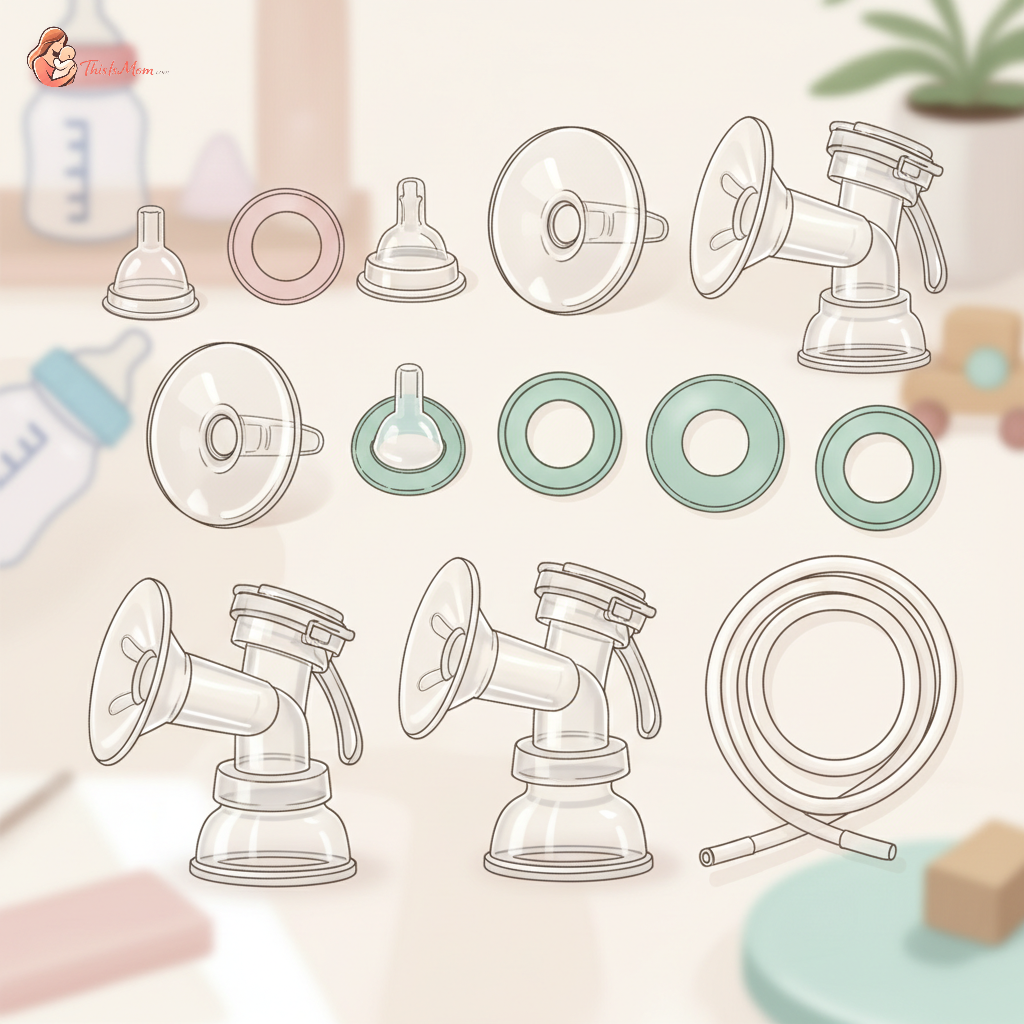
- Flanges, Valves, and Membranes: These are the absolute workhorses. Flanges connect to your body, valves direct milk flow, and membranes create the suction. They are prone to wear and tear and are absolutely essential for milk production. You can typically buy these as replacement kits for brands like Spectra, Medela, Avent, and more, using your FSA/HSA funds without a hitch.
- Tubing and Connectors: These pieces connect your pump motor to your collection bottles and flanges. While often more durable than valves or membranes, they can still crack, get clogged, or just need replacing over time. These are also generally eligible.
- Sterilization and Cleaning Supplies: Keeping your equipment clean is paramount. Many sterilizing bags, cleaning brushes specifically designed for pump parts, and pump-specific cleaning solutions are eligible. If it’s directly related to sanitizing your breastfeeding equipment, it’s usually a go.
- Milk Storage Bags and Bottles: Once the milk is pumped, you need to store it. Both disposable milk storage bags and replacement bottles designed for breast pumps are typically FSA/HSA eligible. This makes stocking up for the work week much more manageable.
Beyond the Basics: Other Lactation Supplies That Are Eligible
Eligibility often extends beyond just the pump components. Think holistically about your breastfeeding journey and what makes it sustainable and comfortable.
Lanolin & Nipple Cream: Soothing Soreness
Sore nipples are a rite of passage for many. Lanolin-based ointments and other nipple creams specifically marketed for breastfeeding mothers are widely considered eligible. They’re topical treatments for a common medical issue associated with breastfeeding, making them a prime candidate.
Nursing Pads & Shields: Everyday Essentials
Whether disposable or reusable, nursing pads help manage leaks. Nipple shields, often used temporarily to assist with latching or protect extremely sore nipples, are also generally eligible.
Discover your baby's phase
Is My Eufy Breast Pump FSA Eligible? Other Popular Brands
Yes, eligibility isn’t tied to a specific brand like Eufy, Spectra, or Medela. It’s tied to the type of product. If a part or accessory is considered a medical supply used for lactation, it’s likely eligible. This includes:
- Replacement parts for wearable pumps.
- Valves and membranes for Avent pumps.
- Storage solutions compatible with your chosen pump.
Always check the specific product description or the IRS guidelines if you are unsure about a particular item, but the common replacement parts are your safest bet.
Are Lactation Supplements FSA Eligible? What to Look For
This can be a bit of a gray area. Generally, supplements like fenugreek are not eligible because they are considered food or dietary supplements without a direct medical "treatment" claim. However, specific prescription or doctor-recommended lactation aids or teas that are marketed as medical treatment for low milk supply might be eligible, but this is where a prescription often becomes necessary. Stick to confirmed eligible items to avoid issues.
How to Use Your FSA/HSA for Breastfeeding Supplies
Navigating the actual transaction is usually straightforward. The goal is to make it as easy as possible for you, because we already have enough on our plates.
Using Your FSA/HSA Debit Card
The easiest method? Use your FSA/HSA debit card. Most vendors that sell FSA/HSA eligible items, including many online retailers specializing in breast pump parts and lactation supplies, accept these cards directly. Swipe it like any other debit card at checkout.
Submitting for Reimbursement: Keeping Records
If you don’t have a debit card or forget to use it, you’ll typically submit a claim form along with the receipts for your purchases. Keep all your receipts organized. For any item you're unsure about, a detailed receipt that lists the item name (e.g., "Spectra S1 Replacement Flange," not just "pump part") can be helpful if you ever need to provide documentation.
Why a Prescription Might Sometimes Be Helpful
While most common breast pump parts like flanges, valves, membranes, and tubing are eligible without a prescription, having one might simplify things if you're buying a more specialized item or if your FSA/HSA administrator has very strict requirements. A prescription or Letter of Medical Necessity (LMN) from your doctor can confirm that the item is medically required. For example, if you needed a specialized flange size recommended by a lactation consultant for medical reasons, an LMN would solidify its eligibility. But for standard replacement parts, you’re usually good to go.
Common Questions About FSA/HSA & Breastfeeding
We’re all thinking the same things as we manage this demanding phase of life. Here are some frequently asked questions that come up.
Where Can I Buy FSA Eligible Breast Pump Parts?
You can find FSA eligible breast pump parts at:
- Online retailers specializing in baby and breastfeeding supplies.
- Major online retailers like Amazon (look for the FSA/HSA eligible badge).
- Some pharmacies or medical supply stores.
- Directly from breast pump manufacturers' websites.
What If I Need a New Pump? When Will Insurance Cover It?
Insurance coverage for breast pumps is mandated by the Affordable Care Act. You are generally eligible for one breast pump per pregnancy. Contact your insurance provider directly to understand their specific process, preferred vendors, and the types of pumps they cover. They will usually require a prescription from your healthcare provider for this.
Are Wearable Breast Pumps FSA Eligible?
Yes, wearable breast pumps and their associated accessories (like replacement cups or charging cables) are typically considered eligible medical equipment or supplies, just like traditional pumps and their parts. The convenience of these pumps doesn't alter their eligibility status.
Taking care of yourself and your little one is a complex equation. Understanding the financial tools available to help you, like your FSA and HSA, is one way to simplify the math. You’re doing incredible work, both at home and in your career. Utilizing these benefits for essential breast pump parts without needing a prescription is a practical, empowering move. You deserve to have the tools you need to sustain your pumping journey without added financial strain. Here's to smart choices and one less thing to worry about.