Gentle Alternatives to End Screen Time Without a Fight
Discover gentle strategies for smooth screen time transitions. Learn how to prepare children for ending screen time and offer choices to avoid meltdowns.
Gentle Alternatives to 'Just Turn It Off' for Screen Time Transitions
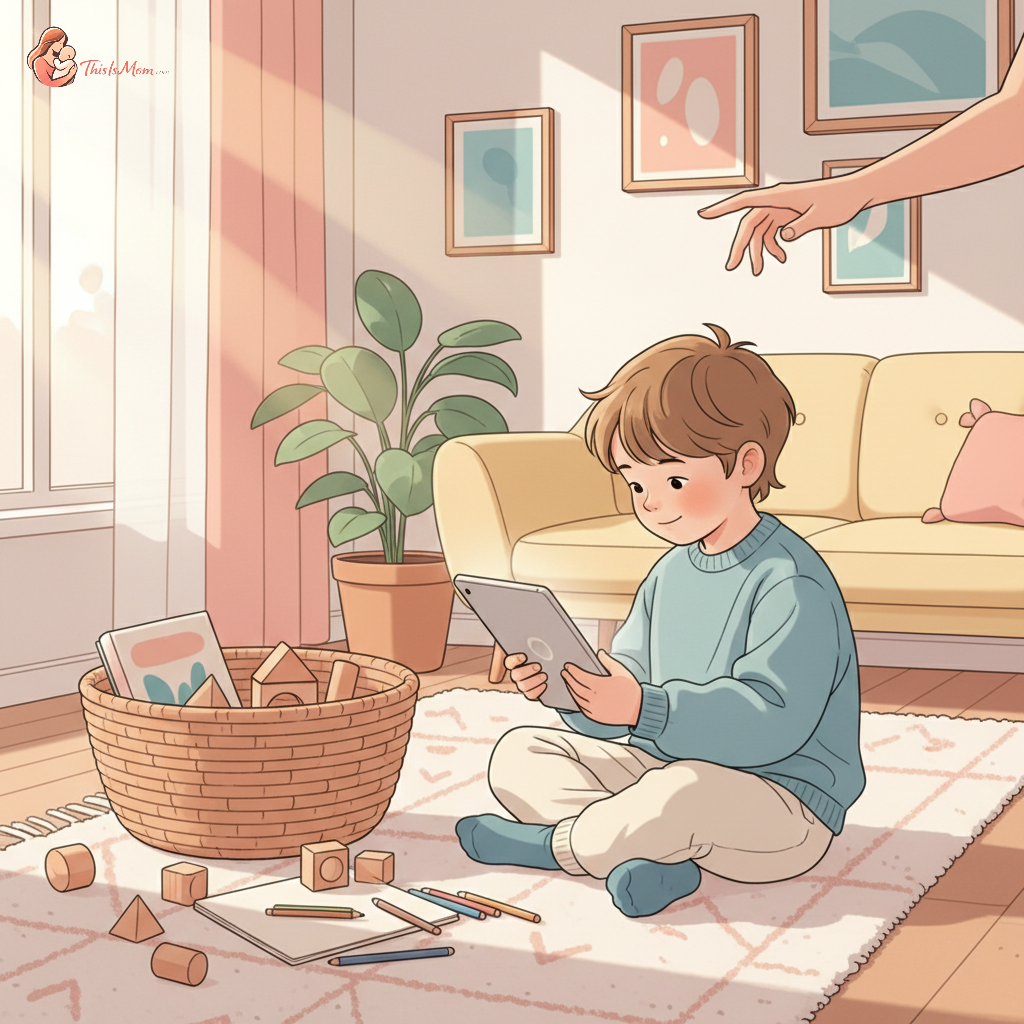
Before you reach for the remote, pause for a moment and observe your child. Notice the way their eyes track the vibrant colors on the screen, the way their body language shifts with the unfolding story. For many of us, the phrase "just turn it off" feels like the default when screen time is over, a battle cry we brace ourselves for. But what if there are gentle alternatives to 'just turn it off' for screen time transitions that can transform these moments from a fight into a more peaceful flow?
Understanding how a child’s developing brain engages with screens is key. For young children, especially those with absorbent minds, the world presented on a screen can be incredibly compelling. When we abruptly pull them away, it’s not just a device being removed; it’s a world being shattered. This abruptness can trigger frustration and a sense of loss that, for a toddler, might feel overwhelming. The urge to exert control often leads to commands, but research consistently suggests that connection, not control, fosters cooperation, especially when guiding young children.
Setting the Stage for Smoother Goodbyes
The Montessori approach emphasizes preparing the environment and providing clear, predictable structures. This principle extends beautifully to screen time. When we prepare for takeoff, we’re setting clear expectations and making the eventual landing much easier.
The 'First, Then' Approach for Clear Expectations
A simple yet powerful strategy is the "First, Then" or "First/Then" model. Before screen time even begins, introduce this. Say something like, "First, we will have 20 minutes of tablet time, and then, we will go outside to play at the park." This creates a clear sequence of events and helps the child mentally prepare for what comes next. It’s not about imposing limits arbitrarily; it’s about providing a roadmap.
Visual Timers and Gentle Warnings
For many children, abstract time is a difficult concept to grasp. Visual timers – whether a physical sand timer, a kitchen timer with a colored segment that disappears, or a digital countdown displayed on a tablet – can be incredibly helpful. Around 10 minutes before screen time is scheduled to end, offer a gentle warning: "In 10 minutes, it will be time to finish our show." Then, perhaps another reminder a few minutes later: "Five more minutes until we say goodbye to the screen." This builds anticipation and allows the child’s brain to start disengaging gradually, making ending screen time gently a more achievable goal. For many families, understanding how to explain AAP screen time limits to your 3-year-old is also crucial for setting these expectations.
Involving Your Child in Setting the 'Stop' Time
When appropriate for the child’s age (perhaps 3 years and up), involve them in the process of setting the stop time. Instead of dictating, ask: "We have 30 minutes for screens today. Would you like to finish when the big hand is on the 12, or when the timer beeps?" This offers a sense of agency, empowering the child to be part of the decision-making process. This can be a fantastic way to manage screen time transitions toddlers might otherwise find challenging.
Gentle Landing: Phrases for Mindful Transitions
When the time comes to signal the end, the words we choose can make all the difference. Moving away from abrupt commands to compassionate communication is the essence of gentle screen time strategies. These phrases acknowledge the child's experience and guide them toward the next activity. Learning toddler emotional regulation after too much screen time can also be a part of this process.
Phrases That Acknowledge and Validate Feelings
It’s important to remember that a child may still feel disappointed or upset when screen time ends, even with preparation. Validating those feelings is crucial. Instead of dismissing their reaction, try:
- "I see you're still really enjoying that game. It's hard to stop when it's so fun."
- "You look sad that our screen time is over. It’s okay to feel that way."
- "I know it’s disappointing to turn it off."
This validation doesn't mean giving in; it means showing empathy, which often de-escalates frustration and builds trust. It's a foundational step towards how to get kids off screens without a fight.
Offering Choices, Not Ultimatums
To maintain a sense of autonomy, offer concrete choices for what comes next. This shifts the focus from ending a preferred activity to starting a new one.
- Once the screen is off, "Would you like to read a book together, or build with blocks?"
- "After we finish this episode, we can either water the plants or help me bake cookies."
These choices should be appealing and feasible, guiding the child away from the screen and into a more active, connected experience. Discovering screen-free ways to engage toddlers during partner's Zoom calls can offer inspiration for these alternative activities.
The Art of Distraction and Redirection
Sometimes, a child needs a gentle nudge towards something else entirely. This isn't about trickery, but about smoothly guiding their attention.
- "Look! The dog is doing something funny outside. Let’s go watch!"
- "I just heard a bird singing. Can you help me find it?"
- "Remember that special puzzle we haven't touched in a while? Let's get that out."
Discover your baby's phase
This redirection can be particularly effective for younger children who are still developing impulse control.
Beyond the Screen: Activities to Transition Into
The most effective gentle alternatives to 'just turn it off' for screen time transitions often involve having a compelling activity ready to go. Providing engaging options makes the 'off' switch feel less like an ending and more like a gateway. The goal is to transition from screen time to independent play toddler skills.
What Activities Can Be Done Instead of Screen Time?
Think about activities that are concrete, hands-on, and aligned with your child’s developmental stage. These are the kinds of invitations that Montessori educators often prepare. Consider:
- Sensory Bins: Filled with rice, beans, water beads, or even just water and cups, these offer hours of exploration.
- Art Supplies: Crayons, washable markers, playdough, or watercolors can invite creativity.
- Building Materials: Wooden blocks, LEGOs, or even recycled cardboard boxes offer opportunities for construction.
- Practical Life Activities: Washing dishes (with supervision), sweeping, helping to prepare food, or folding laundry are incredibly engaging for young children.
- Nature Exploration: Even a walk around the block can be an adventure with a magnifying glass or a bug-catching net.
Engaging Your Child Immediately After Screens
The minutes immediately following screen time can be a vulnerable period. Having something prepared and readily accessible can prevent a potential meltdown. For example, how to encourage pre-verbal toddler to point for communication can be integrated into immediate post-screen activities.
- Have a "transition basket" near the screen area filled with a few exciting, new-to-them toys or materials.
- Keep a stack of books or art supplies visibly accessible.
- Initiate a physical activity like dancing to music or a quick yoga session.
Calming Activities to Prevent Overstimulation
Sometimes, the content on screens can be highly stimulating. Introducing calming activities afterward can help regulate a child’s nervous system. After a fast-paced cartoon, try:
- Reading a quiet, gentle story.
- Engaging in a calming art activity like finger painting with cool colors.
- Listening to soft music while looking at picture books.
- A simple, quiet puzzle.
These activities help the child shift gears without feeling overwhelmed by a sudden burst of energy.
Troubleshooting Tough Transitions & Staying Consistent
Even with the best preparation, there will be days when transitions are challenging. This is a normal part of childhood development. The key is to respond with patience and maintain screen time rules that stick in a loving, consistent way.
When Your Child Still Resists: A Loving Approach
If your child continues to resist, a calm and supportive approach is best.
- Acknowledge and Validate Again: "I see you’re still very upset that it’s time to stop. It's okay to feel angry."
- Offer Empathy, Not Negotiation: "I understand you want to keep playing. That’s a powerful feeling. We still need to turn it off now."
- Hold the Boundary with Kindness: Gently but firmly guide them to the alternative activity. "It’s time to put the tablet away. Let’s go read this book together."
- Physical Support: Sometimes, a hug or holding their hand can offer comfort and reassurance during their distress. The goal is to help them regulate their emotions, not to enforce compliance through force. This approach can be particularly helpful when understanding toddler emotional regulation after too much screen time.
Maintaining Consistency in a Busy Home
Consistency doesn't mean rigidity; it means predictability. Especially with multiple caregivers, ensuring everyone understands and implements the chosen strategies is important.
- Discuss with Partners/Caregivers: Have a family meeting to agree on the approach and specific phrases.
- Use Visual Reminders: Post the "First, Then" schedule or the agreed-upon screen time limits where everyone can see them.
- Be Realistic: Some days will be smoother than others. The goal is progress, not perfection.
Screen Time Boundaries That Work for Your Family
Ultimately, the most effective approach is one that feels sustainable and respectful for your family. The AAP and other child development organizations offer guidelines on screen time duration, but the quality of the content and the transitions are just as vital. Experiment with these strategies and observe your child to see what resonates best. The aim is to create a peaceful relationship with technology, where screens are a tool to be used mindfully, not a battleground to be endured.
By weaving in these gentle alternatives, we invite our children into a partnership, teaching them valuable skills in self-regulation and communication, one mindful transition at a time. This week, perhaps try introducing one of the "First, Then" phrases before your child uses a device, and see what shifts you observe.