Gentle Parenting: Alternatives to Time-Out for Screen Tantrums
Discover gentle parenting alternatives to time-out for screen time tantrums. Learn effective strategies for managing meltdowns with empathy and connection.
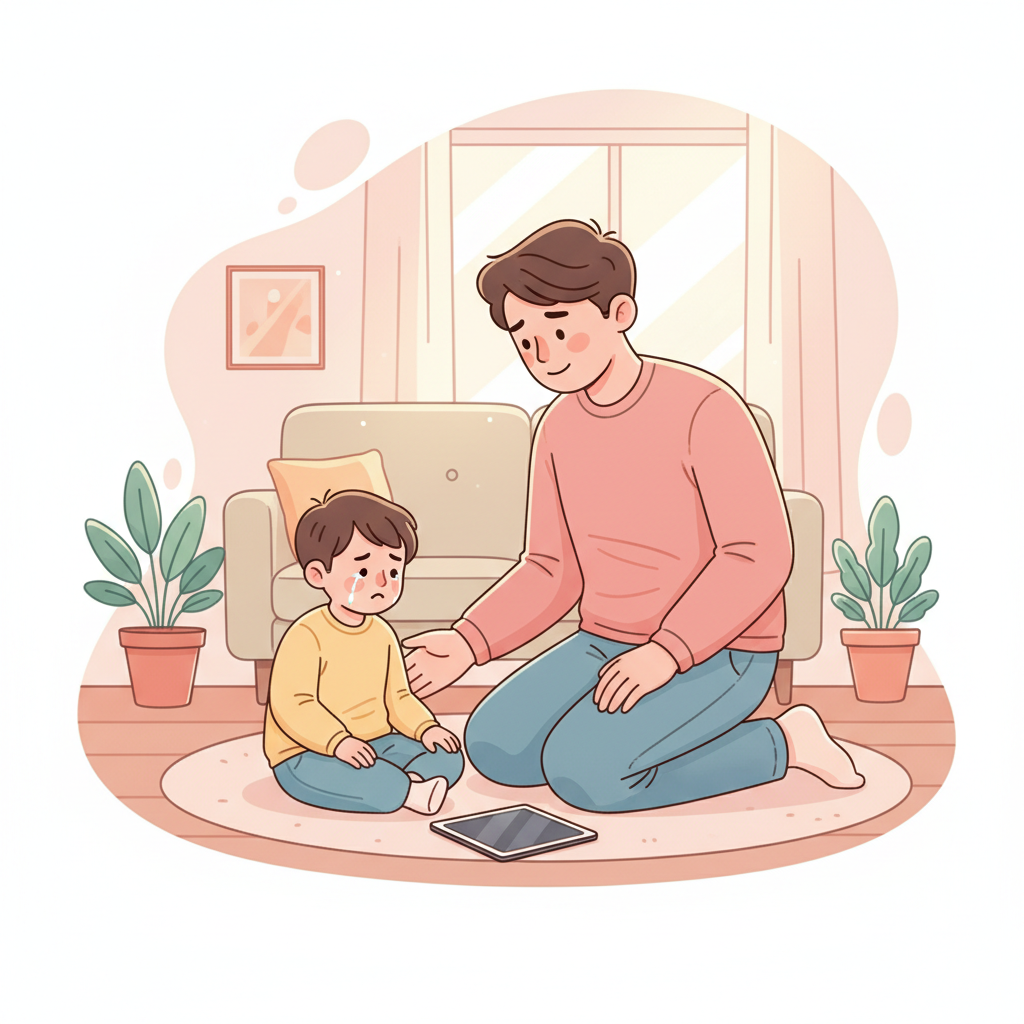
Gentle Parenting: Navigating Screen Time Tantrums Without the Time-Out
Your toddler’s screen time is over, and a full-blown tantrum erupts. Sound familiar? Many parents grapple with how to handle these inevitable meltdowns. When traditional timeouts don't seem to work, or you're seeking a more connected approach, gentle parenting principles offer effective alternatives. This article explores gentle parenting alternatives to time-out for screen time tantrums, focusing on understanding your child's development and fostering cooperation.
Understanding Screen Time Tantrums: More Than Just 'Acting Out'
It's easy to view a child's screen tantrum as simply misbehavior. However, research suggests that these meltdowns are often rooted in a child's developmental stage and their struggle to manage big emotions.
Children, especially toddlers and preschoolers, have brains that are still developing crucial skills like impulse control and emotional regulation. When the engaging world of screens is suddenly turned off, it can feel like a jarring disruption. They haven't yet developed the internal capacity to smoothly transition from one activity to another, or to tolerate frustration gracefully.
The rapid onset of emotions during a "screen tantrum" is not a sign of manipulation but rather a reflection of limited coping mechanisms. This is a normal part of childhood development, and the way we respond can significantly impact their long-term emotional learning.
The Gentle Parenting Philosophy: A Quick Refresher
Gentle parenting is not about being permissive; it's about being responsive and respectful. It emphasizes understanding the root causes of a child's behavior and responding with empathy and guidance rather than punishment.
The core of gentle parenting is building a strong, secure connection with your child. It focuses on fostering cooperation and teaching essential life skills, such as emotional regulation and problem-solving, in a way that respects the child's developmental stage.
Moving beyond traditional discipline, which often relies on isolating or shaming a child, gentle parenting aims for lasting positive behavior change by teaching children how to manage their impulses and emotions. It seeks to understand why a behavior is happening, not just to stop it in the moment.
Effective Gentle Parenting Alternatives to Time-Out for Screen Time Tantrums
When working with young children, especially toddlers, finding suitable alternatives to time-out for screen time is key. These strategies focus on connection, empowerment, and clear communication.
Connection Before Correction: Proactive Strategies
The most effective way to avoid tantrums is often through proactive connection. Before screen time even begins, spend quality time engaging with your child. This strengthens your bond and makes them more receptive to your guidance. When children feel seen and connected, they are less likely to resist transitions.
Offer Choices: Empowering Kids During Transitions
Giving children a sense of control can significantly smooth transitions. Instead of a directive like "Screen time is over," offer a choice: "Would you like to turn off the tablet now, or in five more minutes with a timer?" or "After the show, would you like to play with blocks or read a book?" This acknowledges their desire for autonomy.
Redirection & Distraction (for Younger Toddlers)
For younger toddlers, immediate redirection can be very effective. As soon as you signal the end of screen time, have an engaging alternative ready. "The show is finished! Let's go see what happens in the garden," or "Time to wrap up the game. Come help me build a tower with these blocks!" The novelty of a new, appealing activity can divert their attention before a meltdown escalates. Your [2-year-old only stacking blocks? Discover why this is normal and how to gently encourage more complex building and imaginative play without pressure.
The 'When-Then' Approach: Setting Clear Expectations
The "When-Then" (or "First-Then") strategy is a powerful tool for communicating expectations. It clearly outlines what needs to happen before a desired activity. For example: "When you finish your drawing, then you can have 15 minutes of screen time." This structure helps children understand the sequence of events and what is required of them.
The '7-7-7 Rule' in Parenting: Adapting it for Screen Time
You might have heard of the 7-7-7 rule in parenting, which suggests having no more than 7 minutes of screen time for every 7 years of age, with no more than 7 hours away from screen time. While the specifics of this rule can be debated and adapted, the underlying principle is valuable: screen time should be limited and balanced with other activities.
To adapt this for screen time tantrums, it means reinforcing that screen time is a privilege, not a right, and that limits are consistent. Before screen time begins, remind your child of the established duration and the transition that will follow. For instance, "We have 20 minutes of screen time now, and when the timer beeps, we will clean up the toys together." This proactive messaging helps set the stage for a smoother ending.
De-escalating the Meltdown: In-the-Moment Strategies
Discover your baby's phase
Even with the best preparation, tantrums can still happen. Knowing how to respond in the moment is crucial for gently guiding your child and preventing future escalations.
Validating Feelings: 'I see you're upset'
When your child is upset, the first step is to acknowledge their emotions. Phrases like, "I see you are feeling very angry that screen time is over," or "It's hard when you have to stop playing," validate their experience. This doesn't mean agreeing with their behavior, but showing you understand their distress. Research on emotional validation suggests it can help calm the nervous system. You can learn more about strategies to calm an overstimulated toddler who might be experiencing this.
Co-regulation: Lending Your Calm to Their Chaos
Children often lack the internal tools to calm themselves down. Co-regulation means you act as their external regulator. Stay physically close (if they allow it), speak in a calm, steady voice, and offer a comforting presence. Your calm demeanor can help soothe their overwhelmed nervous system. This is a fundamental aspect of gentle parenting alternatives to time-out for toddlers.
Setting Boundaries with Empathy: 'No, but...'
Boundaries are essential, even in gentle parenting. The key is to set them with empathy. Instead of a hard "no," try a "no, but..." structure. For example: "No, you cannot have more screen time right now, but we can read your favorite book together." This reinforces the limit while offering an acceptable alternative.
How to Stop Screen Time Tantrums (Practical Steps)
When a tantrum is in full swing:
- Prioritize safety: Ensure your child is not in a position to harm themselves or others.
- Stay present and calm: Your presence is a source of security.
- Validate their feelings: "I know this is hard for you."
- Offer a safe space: Let them know you are there when they are ready to calm down.
- Avoid lecturing: Wait until they are calm to discuss the situation.
- Reconnect and move forward: Once calm, engage in a positive activity.
The goal is to help them move through the emotion, not punish them for having it. This is a key distinction in alternatives to time out for 2 year olds who are still mastering emotional expression. Effectively managing these situations ensures you don't need to worry about communicating discipline styles to your nanny as much.
Long-Term Solutions for Smoother Screen Time
Addressing screen time tantrums effectively involves more than just managing meltdowns; it's about building a foundation for healthy media habits and emotional resilience.
Creating a Family Media Plan Together
The American Academy of Pediatrics (AAP) recommends creating a family media plan. This involves discussing and agreeing upon screen time rules, content, and timing as a family. When children have a say (within age-appropriate limits), they are more likely to adhere to the plan. This collaborative approach can significantly reduce screen time resistance.
Establishing Consistent Routines and Boundaries
Predictability is comforting for children. Establishing consistent daily routines, including specific times for screen use and clear end-of-session transitions, helps manage expectations. Consistent boundaries mean that the rules are the same each day, making it less likely for children to push limits in hopes of a different outcome.
Teaching Emotional Regulation Skills (Beyond the Tantrum)
Gentle parenting involves teaching children skills they can use throughout their lives. Practice identifying emotions with your child when they are calm: "You look happy when we play this game," or "Are you feeling frustrated because the blocks fell down?" Role-playing different emotional scenarios and practicing calming strategies like deep breaths can build their capacity to handle future frustrations independently.
When to Seek Further Support: Checking In With Your Pediatrician
While screen time tantrums are a normal part of childhood, sometimes persistent or extreme behavioral challenges might indicate a need for professional guidance.
If your child’s tantrums are exceptionally frequent, intense, prolonged, or if they are accompanied by other concerning behaviors like aggression, self-harm, significant sleep disturbances, or difficulty functioning in other areas of life, it’s a good time to consult your pediatrician.
They can help rule out any underlying developmental or medical issues and provide tailored strategies or refer you to specialists like child psychologists or counselors. Remember, seeking support is a sign of strength, ensuring your child gets the best possible foundation for emotional well-being.