Gentle Parenting: Alternatives to Time-Outs for Screen Withdrawal
Discover gentle parenting alternatives to time-outs for screen withdrawal. Learn effective strategies for smoother transitions and managing toddlers' screen time meltdowns.
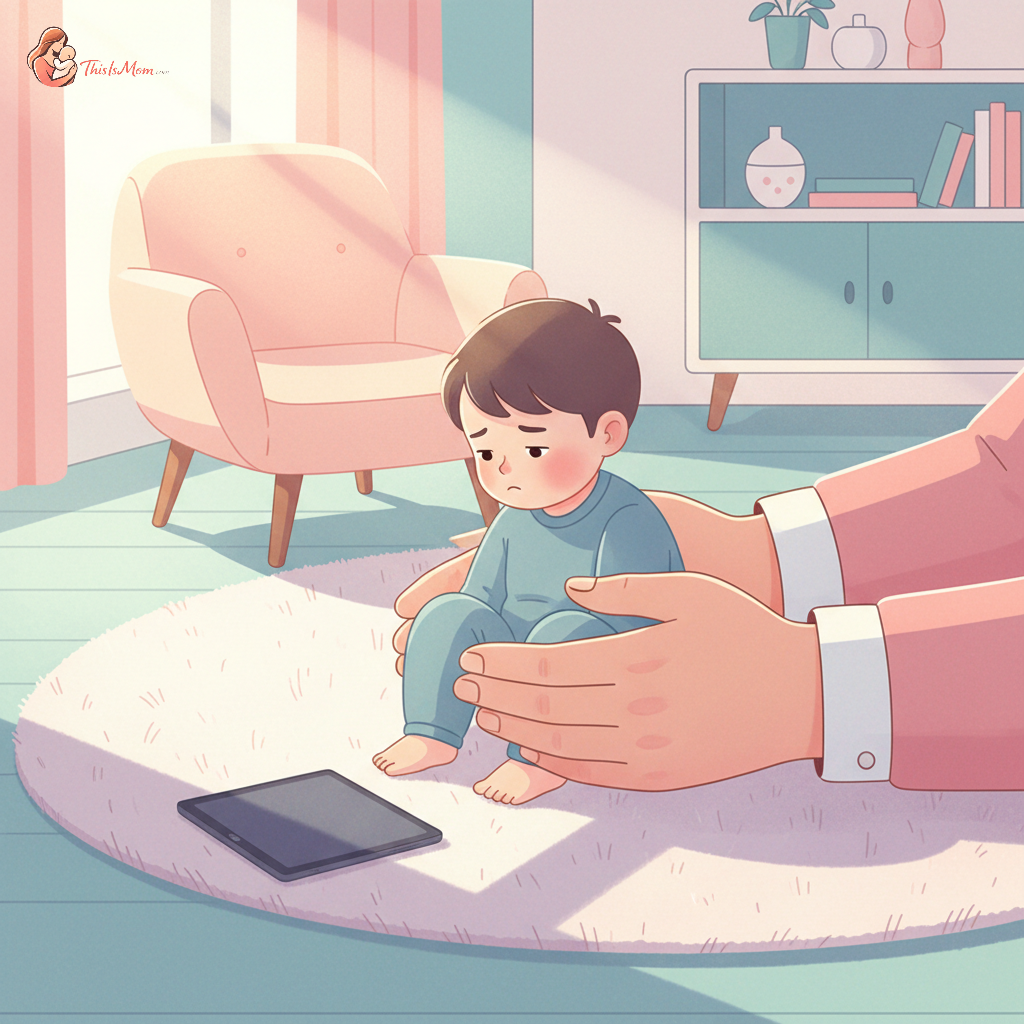
Navigating Screen Time Meltdowns: Gentle Parenting Alternatives to Time-Outs
Your toddler is mid-way through a cartoon, eyes glued to the screen, and you announce it's time to turn it off. Cue the wails, the stomping, the full-blown meltdown. This is a familiar scene for many parents, and the urge to resort to a time-out can be strong. But what if there are more connection-focused ways to handle these difficult transitions? This article explores gentle parenting alternatives to time-outs specifically for screen withdrawal, offering strategies that honor your child's developing emotional landscape.
The 'Screen Switch' and Your Child's Brain
Understanding the intensity of screen withdrawal meltdowns starts with understanding how screens interact with young brains. For very young children, the rapid pace, bright colors, and engaging sounds of many digital programs can create a hyper-stimulating environment. This can make it challenging for them to transition back to slower-paced, real-world activities.
The guidelines from organizations like the American Academy of Pediatrics (AAP) suggest that while screens can offer some educational benefits for young children, excessive or inappropriate content can interfere with crucial developmental activities like unguided play, social interaction, and sleep. The AAP recommends limiting screen use for children younger than 2. For children aged 2 to 5 years, they suggest limiting screen use to 1 hour per day of high-quality programming, with parents co-viewing to help them understand what they are seeing. #explain-aap-screen-time-limits-3-year-old
The Messy Science of Toddler Emotions
Toddlers are in the crucial stage of learning to manage their feelings. Their brains are still developing the capacity for emotional regulation. This means that big emotions, like frustration or disappointment over losing a favorite activity, can feel overwhelming. #toddler-emotional-regulation-after-screen-time
The research suggests that young children often lack the skills to calm themselves down independently. They rely on their caregivers for support in processing these intense feelings. This developmental stage is why gentle parenting alternatives to time-outs are particularly effective.
Moving Beyond Time-Outs: Why Traditional Methods May Not Fit
The traditional "time-out" involves sending a child to a designated spot away from others for a period, often as a consequence for misbehavior. However, according to many child development experts, time-outs may not be the most developmentally appropriate response for very young children experiencing screen withdrawal.
Time-Outs and Young Development
The guidelines and research from reputable sources suggest that isolating a young child during an emotional upset can be counterproductive. Instead of teaching self-regulation, it might inadvertently send the message that their feelings are unwelcome or that they must handle big emotions alone.
For a child who is already struggling with the frustration of ending screen time, being sent away can intensify feelings of loneliness and rejection. This isolation can hinder their ability to learn healthy coping mechanisms. The focus shifts from understanding and managing the emotion to enduring the punishment.
The Impact of Isolation
When children are isolated, they don't have the supportive presence of a caregiver to help them process what's happening. This "co-regulation"—where a caregiver helps a child calm down—is a fundamental part of learning self-regulation. #ways-to-engage-toddler-during-partners-zoom-calls-without-screens Without it, children may feel abandoned by their emotions.
This is where gentle parenting alternatives to time-outs for screen withdrawal come into play, focusing on connection and understanding rather than separation.
Gentle Parenting Strategies for a Smoother Screen Transition
The goal of gentle parenting is to foster a strong, secure attachment between parent and child while guiding their behavior. This approach emphasizes empathy, communication, and a deep understanding of a child's developmental stage. When it comes to ending screen time, several gentle discipline screen time strategies can make the transition smoother. #screen-time-alternatives-toddler-parent-focus
Prepare and Warn: Setting Expectations
The CDC highlights the importance of establishing routines and predictable schedules for young children. This predictability can significantly reduce anxiety and resistance. Before screen time even begins, you can set expectations about when it will end.
For example, you might say, "We'll watch this show for 30 minutes, and then it will be time to play with your blocks." Using a visual timer can also be extremely helpful. A warning system, like, "Ten minutes left until screen time is over," and then a five-minute warning, gives your child time to mentally prepare for the transition.
The Power of a 'Time-In'
Instead of a punitive "time-out," consider a "time-in." This is a strategy embraced by many gentle parenting advocates where the parent stays with the child during their emotional upset. It's not about prolonged punishment; it's about offering comfort, connection, and a safe space to feel their feelings.
The research suggests that children learn best when they feel safe and connected. During a time-in, you might sit with your child, offer a hug, or simply be present as they express their frustration. This shows them that you are a secure base, even when they are experiencing big emotions. This is a critical strategy in alternatives to timeouts for toddlers.
Discover your baby's phase
Offering Choices and Transitions
Empowering your child by offering limited, age-appropriate choices can also ease the transition. Instead of a blunt "Screens off now," you might say:
- "Would you like to finish this short game or put the tablet away now?"
- "We can put the tablet away, and then would you like to go outside or read a book?"
These choices give your child a sense of agency, making them feel more in control of the situation. The transition itself can also be made more engaging. You might sing a special "clean-up song" for toys or screens, or turn the act of putting the tablet away into a game.
Responsive Alternatives to Time-Outs for Screen Withdrawal
When the meltdowns inevitably happen, having a toolkit of responsive strategies is key. These are ways to acknowledge your child's feelings and guide them through their big emotions without resorting to isolation.
Empathy and Validation
The principle here is to acknowledge and validate your child's feelings. Simply saying, "I see you're really upset that screen time is over. It's hard to stop when you're having fun," can be incredibly powerful.
Validation doesn't mean agreeing with the behavior, but it shows your child that you understand their emotional experience. The Mayo Clinic, a trusted source for health information, emphasizes the importance of parental warmth and responsiveness in child development. When a child feels heard and understood, they are more likely to calm down.
Distraction and Redirection
For younger toddlers, distraction and gentle redirection can be very effective, especially when used immediately after offering validation. The goal isn't to ignore their feelings but to shift their focus to something positive and engaging.
Once you've acknowledged their upset, you could say, "It's hard to stop the game, I know. Look, I have your favorite teddy bear here! Shall we give him a cuddle?" Or, "The screen is off now. Would you like to help me water the plants?" This redirects their energy without invalidating their emotions.
Physical Presence and Comfort
Sometimes, a child just needs to feel your presence and the security that brings as they navigate big emotions. This is the essence of "co-regulating." Offer a hug, hold their hand, or simply sit beside them.
The research on attachment suggests that a caregiver's calm and supportive presence helps children learn to manage their own physiological and emotional arousal. For toddlers experiencing screen time meltdowns, this physical reassurance can be a powerful calming tool, making it a strong alternative to time-outs. Here, it can be useful to know #how-to-encourage-pre-verbal-toddler-to-point-for-communication for communication.
Long-Term Gentle Parenting Tips for Screen Time
Navigating screen time with young children is an ongoing process. Gentle parenting offers a framework that benefits the parent-child relationship over time, not just in the moment of a meltdown.
Consistent Boundaries
The AAP's recommendations for media use emphasize the importance of setting limits and sticking to them. #transition-screen-time-to-independent-play-toddler Consistency is key to helping children understand expectations. When boundaries are clear and consistent, children feel more secure.
Modeling Healthy Habits
Children are always watching. Your own relationship with screens sets a powerful example. Taking "tech-free" breaks yourself, engaging in other activities, and not constantly being on your phone demonstrates what healthy screen habits look like. This modeling is a cornerstone of gentle parenting.
Focusing on the Positive
Instead of solely focusing on limiting screen time, emphasize the many other wonderful activities you and your child engage in. Highlight the joys of reading books, playing outdoors, creative art projects, and imaginative play. Shifting the focus to the rich, screen-free experiences you offer helps create a balanced perspective and can naturally diminish the perceived importance of screen time.