Gentle Postpartum Diastasis Recti & Back Pain Workout Plan
Discover a gentle phased workout routine for diastasis recti and postpartum back pain, focusing on core connection, safe strengthening, and recovery.
Finding Your Strong: A Gentle Workout Routine for Diastasis Recti & Back Pain Postpartum
It's completely normal to wonder how to safely regain strength after pregnancy and birth, especially when you're dealing with diastasis recti and postpartum back pain. You're not alone in this journey! Many mothers seek the best gentle workout routine for diastasis recti and back pain postpartum, aiming to feel more grounded and capable in their bodies again. As a mom who’s been there, supporting friends through these early weeks and months, I’ve seen firsthand how a mindful approach to movement can make a world of difference.
This isn't about bouncing back to a pre-baby body overnight. It's about honoring where you are, listening to your body, and rebuilding a strong foundation that supports you through motherhood and beyond. We’ll explore gentle, phased exercises designed to help heal your core and ease that common postpartum back discomfort. Remember, your body knows what it needs, and informed choices are always the best choices for you and your baby.
What's Happening Down There? Understanding Diastasis Recti and Postpartum Back Pain
What is Diastasis Recti?
Diastasis recti, often shortened to DR, is a separation of the rectus abdominis muscles, those "six-pack" muscles that run down the front of your abdomen. During pregnancy, these muscles stretch and can separate to make room for your growing baby. It’s a perfectly normal physiological response to pregnancy, and by the end of pregnancy, most women have some degree of diastasis recti. What we often focus on postpartum is the degree of separation and the integrity of the connective tissue (the linea alba) that lies between them.
Why Postpartum Back Pain is So Common
So many of us experience back pain after giving birth, and it’s usually for a combination of reasons. Hormonal changes relax the ligaments in your body to prepare for birth, and this relaxation can persist for a while postpartum, affecting your pelvic stability. Plus, the physical demands of holding and feeding a newborn – all while your own body is still recovering – place significant strain on your back muscles. It’s a recipe for discomfort if we’re not mindful.
The Connection: How DR Impacts Back Health
Think of your abdominal muscles as a supportive corset for your entire core. When these muscles are separated due to diastasis recti, their ability to effectively stabilize your spine and pelvis is compromised. This puts extra burden on your back muscles, which are then forced to overcompensate. This imbalance can directly contribute to or worsen postpartum back pain. Strengthening your deep core muscles is key to regaining that essential support.
Before You Start: Essential Considerations for Your Postpartum Core
When Can You Start Exercising After Baby?
This is a question I hear constantly, and the answer is: it depends. The most important thing is to get the green light from your healthcare provider. For most uncomplicated vaginal births, a gentle return to movement can begin within a few weeks, but it should always be guided by how you feel. For those who had a Cesarean birth or experienced complications, your provider might recommend a longer waiting period. Always listen to your body and your provider’s advice.
How to Self-Check for Diastasis Recti
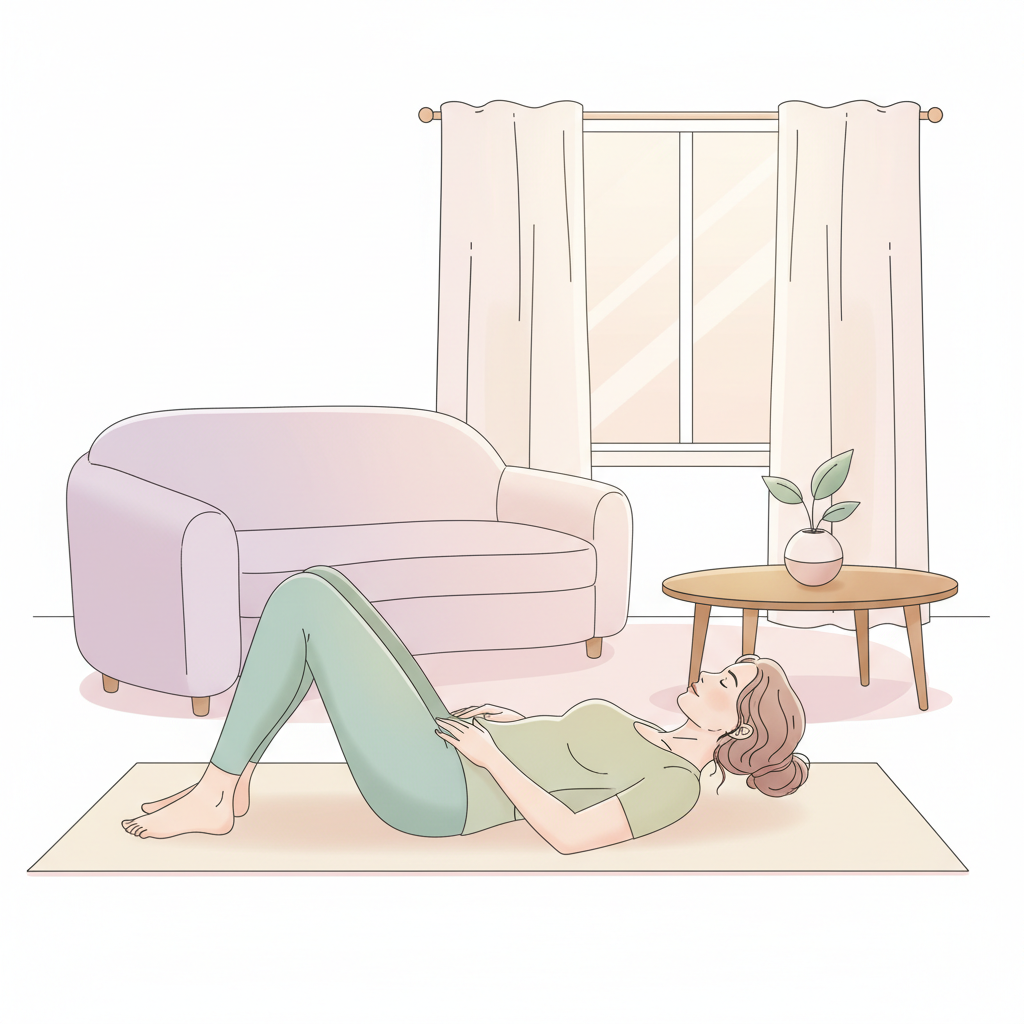
You can do a simple self-check to get a sense of your abdominal separation. Lie on your back with your knees bent and feet flat on the floor. Place your index and middle fingers just above your belly button. Gently press down as you lift your head and shoulders slightly off the floor, mimicking a crunch. Feel for a bulge or a gap between your muscles. You can do this above, at, and below your belly button. Note how many fingers fit into the gap and how deep it feels. This is a starting point, and a professional can give you a more thorough assessment.
Can Postpartum Exercises Fix Diastasis Recti?
Yes, in many cases, postpartum exercises can significantly improve diastasis recti. The goal isn't always to close the gap completely, but to improve the tension and function of the abdominal wall, especially those deep core muscles. By focusing on exercises that engage your transverse abdominis (your deepest abdominal muscle) and pelvic floor, you can create better support and reduce the appearance and symptoms of diastasis recti. It's about functional recovery.
Diastasis Recti Exercises to Avoid
When you have diastasis recti, some common abdominal exercises can actually make things worse. It's generally advised to avoid exercises that put a lot of outward pressure on your abdomen or involve a significant forward flexion of the spine. This includes:
- Traditional crunches and sit-ups
- Planks (especially early on, or without proper core engagement)
- Push-ups
- Anything that causes your abdominal wall to bulge outwards or feels painful.
Focusing on exercises that promote inward core engagement is crucial.
Phase 1: Gentle Foundations & Core Connection (Weeks 0-6+ Postpartum)
This phase is all about reconnecting with your core and establishing a baseline of deep muscle activation. It’s incredibly gentle and focuses on internal awareness, which is paramount.
Breathwork: The Most Important Core Exercise
This might surprise you, but the most foundational and powerful exercise for your postpartum core is breathing! As you inhale, your pelvic floor and diaphragm should relax and descend. As you exhale, it’s a gentle lift and inward pull of your pelvic floor and deep abdominal muscles. Practice this consciously. Focus on that gentle exhale hug, drawing your belly button towards your spine without sucking in. This activation is the core of diastasis recti recovery.
Pelvic Tilts & Gentle Core Engagement
Pelvic tilts are another fantastic, low-impact way to start moving your spine and gently engaging your core. Lie on your back with knees bent. As you exhale, gently press your lower back into the floor, tilting your pelvis slightly upwards. You’ll feel a subtle engagement of your lower abs. Inhale and release back to a neutral spine. This helps build awareness of your deep core muscles and promotes spinal mobility.
Listening to Your Body: Avoiding Overexertion
In these early weeks, the most important directive is to listen to your body. If something feels painful or causes a bulge, stop. It's not about pushing hard; it's about gentle, mindful reconnection. Rest is also a form of healing and strength-building. Trust your intuition.
Discover your baby's phase
Phase 2: Progressive Strengthening for DR & Back Support (Weeks 6-12+ Postpartum)
Once you feel comfortable with the foundational exercises and have your provider's okay, you can begin to introduce more targeted strengthening.
Targeted Exercises for Diastasis Recti (Pelvic Floor & Transverse Abdominis)
We’ll build on that breathwork foundation. Continue with your deep core breaths, focusing on the exhale engagement. You can start to introduce exercises like:
- Heel Slides: Lie on your back, knees bent. As you exhale and engage your core, gently slide one heel away from you, keeping your pelvis stable. Inhale as you slide it back. Alternate legs.
- Bird-Dog (modified): Start on your hands and knees. Exhale and engage your core. Slowly extend one arm forward and the opposite leg back, keeping your back flat and hips level. Hold for a breath, then inhale to return. Focus on maintaining core stability rather than height.
These postpartum ab exercises for diastasis recti focus on controlled movement and core stability.
Building Back Strength Safely
For back pain, we want to strengthen the muscles that support your spine and pelvis. Continue with pelvic tilts and add:
- Bridges: Lie on your back with knees bent. Exhale, engage your core, and lift your hips off the floor. Focus on squeezing your glutes. Inhale as you lower down. This strengthens your glutes and lower back.
- Cat-Cow: On hands and knees, inhale to drop your belly and arch your back (cow). Exhale to round your spine, tucking your chin to your chest (cat). This improves spinal mobility and is gentle on the back.
Can Diastasis Recti Exercises Cause Back Pain?
If done incorrectly or if you push too hard, yes, certain exercises that are meant to help could potentially cause or worsen back pain. This is why proper form and listening to your body are paramount. For example, if you’re doing exercises that strain your back because your core isn’t providing enough support, you’ll likely feel it. This is where the intentionality of deep core activation comes in – it protects your back.
Phase 3: Integrating Movement & Functional Strength (Weeks 12+ Postpartum)
As you progress, the goal is to build strength that supports your everyday activities. This is where a truly effective diastasis recti exercise program shines.
Moving Beyond Isolation: Incorporating Daily Activities
By now, you can often start progressing to more functional movements. Think about exercises that mimic lifting, carrying, and bending. This might include:
- Squats with core engagement: Focus on maintaining a neutral spine and engaging your deep core as you squat.
- Modified lunges: Control the movement and focus on core stability throughout.
- Gentle rows or carries: These can help build back and upper body strength needed for your daily tasks.
These postpartum exercises for diastasis recti and back pain are about making your strength functional.
When to Advance and When to Modify
Continue to advance when exercises feel manageable and you can maintain good form. If you notice increased pain, coning (bulging) of the abdomen, or a general feeling of instability, it's time to modify. This might mean reducing the range of motion, holding the position for less time, or reverting to an earlier phase’s exercises. It's a continuum, not a race.
Listening to Your Body Long-Term
This is a lifelong practice. Your body has been through significant changes. Continue to check in with yourself daily. What feels good? What feels strained? Prioritize movement that supports your body’s needs, and remember that rest is equally important. This mindful approach will help prevent future issues.
Consulting a Professional: When to Seek Expert Guidance
While self-assessment and home-based exercises are great starting points, there are times when professional help is invaluable.
Finding a Pelvic Floor Physical Therapist
A pelvic floor physical therapist is a specialist who can provide a thorough assessment of your diastasis recti, pelvic floor function, and core strength. They can create a personalized diastasis recti exercise program and guide you through every stage of recovery. They are experts in postpartum core exercises and can help expedite your healing safely.
Recognizing Red Flags and When to Pause
Always check in with your OB or midwife if you experience any of the following:
- Sudden or severe back pain
- Any symptoms of infection (fever, redness, discharge)
- Pain during or after exercise that doesn't resolve
- Increased bulging or pressure in your abdomen during movement
- Significant bladder or bowel control issues
These could be signs you need to pause your exercise routine and seek immediate medical advice.
This journey of postpartum recovery is unique for every mom. There isn't a single "right" way to heal or regain strength. Your body is amazing, and by approaching movement with intention, patience, and self-compassion, you can build a strong, resilient core that supports you through all the adventures of motherhood. Trust yourself, honor your body’s process, and do what feels right for you.