Green Poop in Formula-Fed Babies: What It Means
Green poop in formula-fed babies is common and often normal. Learn why it happens, common causes, when to worry, and when to call your pediatrician.
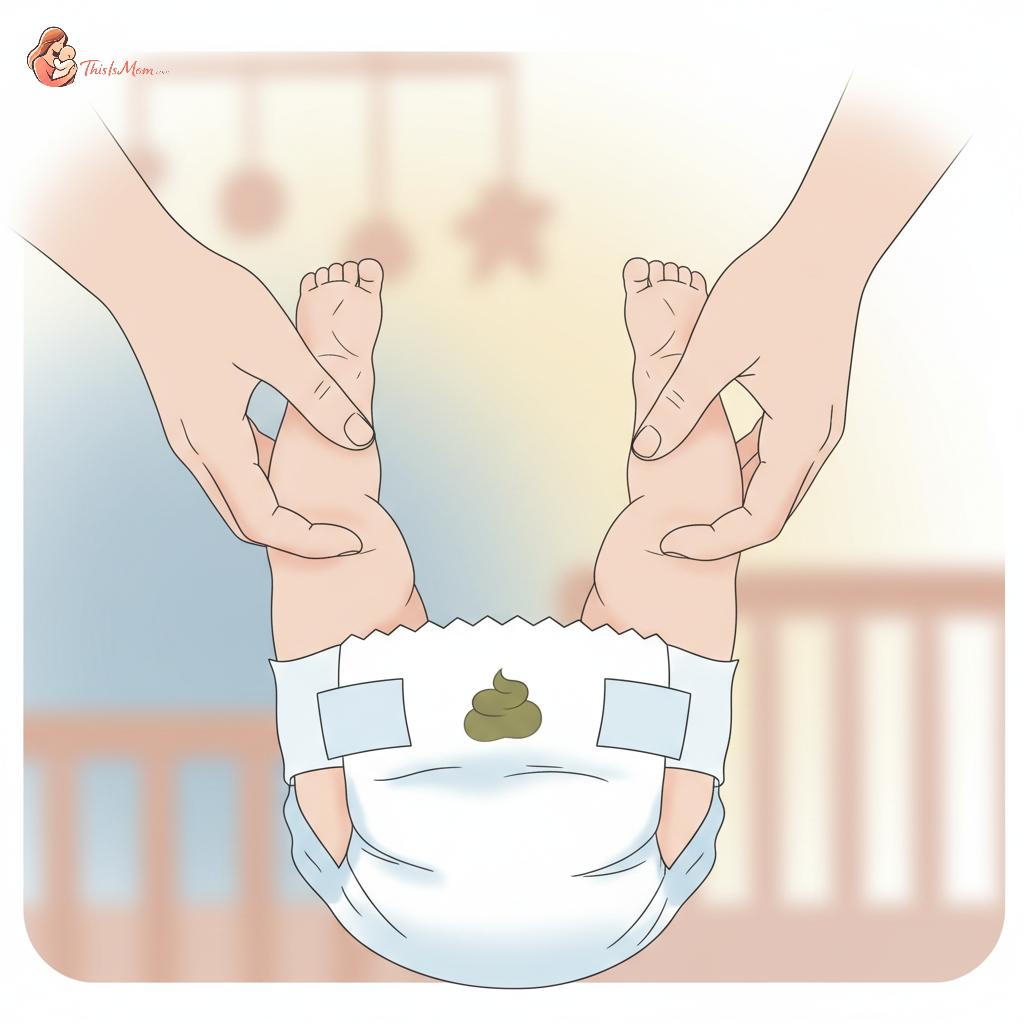
Green Poop in Formula-Fed Babies: What It Means (and When to Call the Pediatrician)
Discovering green poop in your formula-fed baby's diaper can be concerning, but it's often a normal variation in infant digestion. The sheer variety of what’s considered “normal” when it comes to baby poop can be overwhelming. Understanding what green formula-fed baby poop indicates is key to distinguishing between a typical digestive process and a reason to seek medical advice.
The good news is that green poop in formula-fed babies is frequently completely normal. The color, consistency, and frequency of a baby's stools can vary significantly, and a green hue doesn't automatically signal a problem. However, knowing the potential causes and recognizing when to consult your pediatrician is important for your baby's well-being.
The Spectrum of Normal Baby Poop Colors
When it comes to baby poop, the color range for “normal” is quite broad. For breastfed babies, poop is typically seedy, yellow-to-mustard colored, and can sometimes appear greenish. For formula-fed infants, the spectrum can include variations of yellow, brown, tan, and even green.
The guidelines from organizations like the American Academy of Pediatrics (AAP) emphasize that color alone is rarely the sole indicator of a healthy baby. It’s often the combination of color, consistency, and your baby's overall behavior and well-being that provides the most complete picture.
Why Formula-Fed Poop Looks Different from Breastfed Poop
The primary reason for the differences in poop color and consistency between breastfed and formula-fed babies lies in the composition of their diets. Breast milk contains specific types of fats and sugars that are digested differently, leading to the characteristic seedy, yellow stools.
Formula, on the other hand, is a cow's milk-based or soy-based alternative. The proteins and fats in formula are processed by the infant's digestive system in a way that can result in different stool colors, including various shades of green. This is a natural consequence of the ingredients and digestion process. If you're considering switching formulas, understanding the early signs of formula intolerance is crucial, especially for younger infants.
Common Reasons for Green Poop in Formula-Fed Infants (Usually Harmless)
Several factors commonly contribute to green poop in babies exclusively or primarily fed with formula. These reasons are typically benign and resolve on their own.
Iron-Fortified Formulas: The Green Effect
Many infant formulas are fortified with iron to help babies meet their nutritional needs, especially those who are not consuming breast milk. Iron is an essential nutrient, but it can also affect the color of your baby's stools. The research suggests that the iron itself, or how it interacts with the digestive process, can lead to darker or greenish-brown stools.
This is one of the most frequent explanations for green poop in formula-fed babies. The color change is a direct result of the ingredients in the formula, not a sign of illness. If you're concerned about your baby's iron intake or the best formula options, exploring the best formula for reflux and constipation might also provide insights into different formula compositions.
Fast Digestion or Increased Transit Time
Sometimes, a baby's digestive system moves food through more quickly than usual. This is often referred to as increased transit time. When food passes through the intestines faster, bile – a digestive fluid produced by the liver that is normally yellow-green – doesn't have as much time to break down.
As a result, bile can remain in the stool, giving it a greenish hue. This can happen for various reasons and is usually not a cause for concern.
Dietary Changes in Mom (if partially breastfed)
If your baby is partially breastfed and partially formula-fed, changes in your own diet can sometimes influence poop color. While the primary driver of poop color for a formula-fed baby is the formula, maternal diet can play a minor role, especially if the baby receives a significant amount of breast milk.
For instance, consuming large amounts of green, leafy vegetables might theoretically impart a slight greenish tint to breast milk. However, for a baby primarily on formula, this is less likely to be the main cause of green poop.
New Formula Brands or Types
Switching to a new brand or type of formula can also lead to changes in your baby's stool color. Different formulas have varying formulations, ingredient ratios, and iron levels. When you introduce a new formula, your baby's system adjusts, and you might observe variations in color, consistency, and even frequency for a few days. You may also want to check out the safest way to transition from formula to whole milk when the time comes, as this also involves dietary shifts.
When Green Poop Might Signal Something Else: What to Watch For
While green poop is often normal, certain characteristics can indicate that your baby might be experiencing something beyond typical digestion. It's helpful to observe not just the color, but also the consistency and any accompanying symptoms.
Poop Consistency: Watery, Foamy, or Mucusy Green
The consistency of the stool is a more significant indicator than color alone. The AAP notes that very watery, foamy, or mucusy stools, even if green, can sometimes suggest an issue.
- Watery green poop: This could indicate diarrhea, which requires attention, especially in very young infants.
- Foamy green poop: This might be associated with an imbalance in digestion that could be related to formula or allergies. If you suspect allergies or intolerances, understanding the early signs of formula intolerance can be very helpful.
- Mucusy green poop: A small amount of mucus can be normal, but excessive mucus, especially if accompanied by blood, could point towards a sensitivity, allergy, or infection.
Infant Discomfort: Fussiness, Gas, or Feeding Issues
Pay close attention to your baby's overall demeanor. If your baby is generally content, feeding well, and gaining weight appropriately, green poop is less likely to be a concern.
However, if the green poop is accompanied by significant fussiness, excessive gas, frequent spitting up, or difficulty feeding, it warrants further investigation. These signs, combined with green stool, might suggest digestive upset or intolerance.
Discover your baby's phase
Introducing Solids or New Foods
Once your baby starts eating solid foods, their poop will naturally change. New foods, especially those with darker pigments like peas or spinach, can lead to green stools. Monitor the timing of the green poop in relation to when new foods were introduced. For guidance on introducing foods, check out tips on creative ways to offer vegetables to a sauce-averse toddler.
Minor Illnesses or Infections
Sometimes, a mild illness or infection can affect your baby's digestive system and lead to changes in stool color and consistency. If your baby has a low-grade fever, seems a bit off, and has green poop, it could be related to a mild bug. However, if the illness is more severe, other symptoms will likely be present.
Decoding Different Shades of Green: Light Green vs. Dark Green
Understanding the nuances of color can be helpful. While the AAP doesn't provide a strict color-coded guide, pediatricians often consider the shade of green.
Understanding What Each Shade Could Mean
- Light Green Poop: This can be a perfectly normal color, especially for babies on iron-fortified formulas or those with faster digestion. It's often a shade that falls within the broader spectrum of acceptable colors.
- Dark Green Poop: This can sometimes resemble an olive green or even a very dark, almost blackish green. This is frequently associated with iron-fortified formulas. It can also be a sign of faster transit time or certain dietary components.
Visual Guide: What to Look For
When examining your baby's diaper, consider the green poop in context. Is it a vibrant, grassy green or a muted, olive-like shade? Is it accompanied by any other unusual characteristics?
The overall appearance, including consistency and the presence of any other elements like mucus or blood, is more telling than the specific shade of green.
When to Call Your Pediatrician About Green Poop
While many instances of green poop are normal, there are specific situations where contacting your pediatrician is advisable. The AAP provides guidance on when to seek medical attention for infant symptoms.
Red Flag Symptoms: Fever, Vomiting, Dehydration
If your baby's green poop is accompanied by any of the following serious symptoms, it’s important to seek prompt medical advice:
- Fever: A high fever, especially in infants under 3 months, always warrants a call to the doctor. For older babies, a fever combined with other concerning symptoms should be discussed.
- Vomiting: Frequent or forceful vomiting, particularly if it’s not just spit-up, can be a sign of illness.
- Signs of Dehydration: These include fewer wet diapers than usual (e.g., less than 6-8 in 24 hours), dry mouth, sunken eyes, or lethargy. You can learn more about HSA qualified expenses for pregnancy & childbirth to help cover potential medical costs.
Persistent Changes: More Than a Day or Two
If the green poop is accompanied by concerning consistency (watery, foamy, or very mucusy) and these changes persist for more than a day or two, it’s a good idea to get it checked out. Transient changes are often normal, but prolonged issues may need evaluation.
Your Parental Gut Feeling: Trust Your Instincts
As a parent, you know your baby best. If something about their poop or their overall behavior feels off to you, even if it doesn't fit a textbook description of illness, it’s always reasonable to reach out to your pediatrician. They can offer reassurance or guide you on the next steps.
Tracking Poop Changes: A Helpful Practice for Parents
Keeping a record of your baby's feeding and output can be incredibly beneficial. This information is invaluable when you speak with your pediatrician.
Using a Poop Log or App
Many parents find it helpful to use a simple notebook, a dedicated app, or even just take photos (discreetly, of course) of diaper contents. This allows you to track:
- Frequency of bowel movements
- Color and consistency
- Amount (e.g., fully soiled diaper, just a bit)
- Any associated symptoms like fussiness or gas
What Information to Share with Your Doctor
When you contact your pediatrician about your baby's poop, be prepared to share details such as:
- The baby's age
- What type of formula they are consuming (and if it has recently changed)
- How often they are feeding and if they are finishing their bottles
- The color, consistency, and any presence of mucus or blood in the stool
- The frequency of wet diapers
- The baby's overall behavior (active, fussy, sleepy)
- The presence of any other symptoms like fever or vomiting
This detailed information will help your pediatrician assess the situation more effectively and provide tailored advice.