Night Terrors vs. Nightmares: 3-Year-Old Sleep Disturbances
Learn to distinguish and handle night terrors vs. nightmares in 3-year-olds with expert advice on comforting, safety, and promoting peaceful sleep for your child.
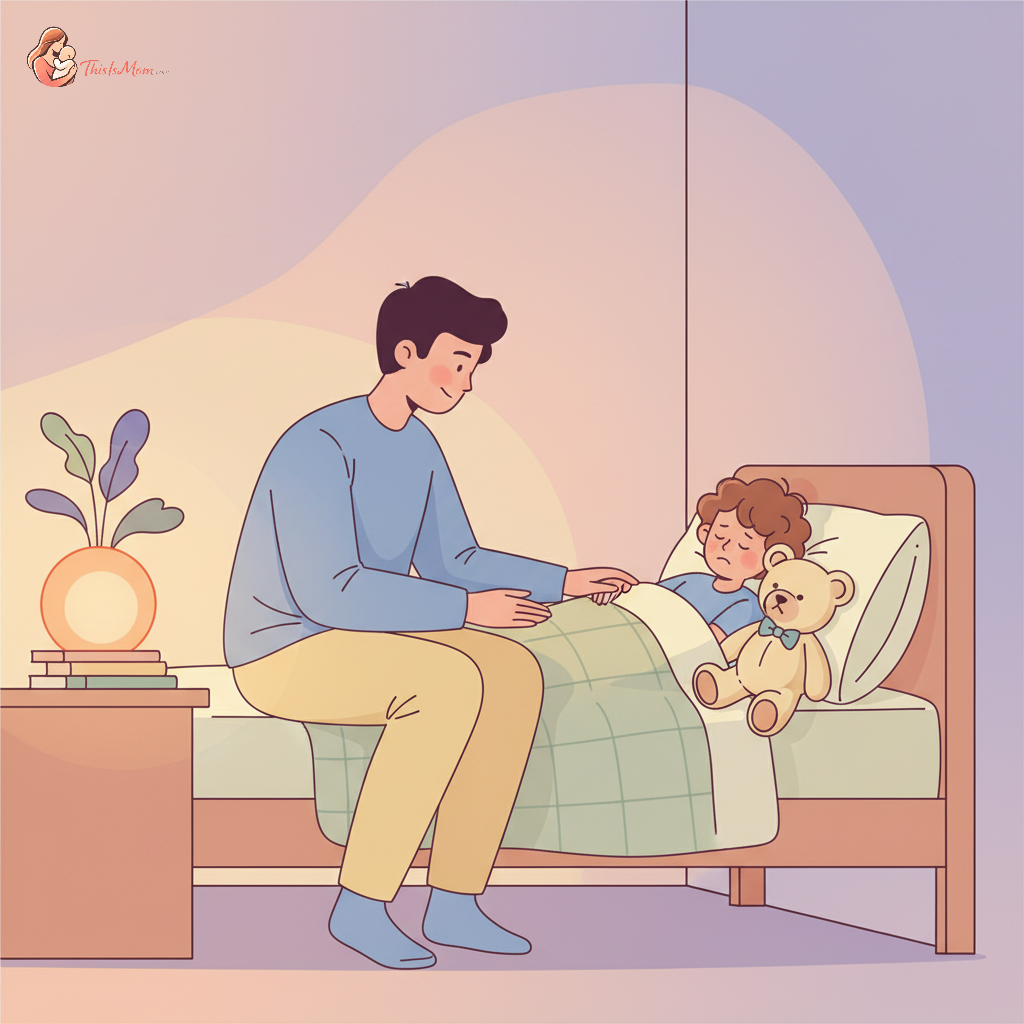
Night Terrors vs. Nightmares: How to Handle Them with Your 3-Year-Old
Your 3-year-old wakes up screaming, eyes wide and terrified. Is it a nightmare, or something else? Understanding how to handle night terrors versus nightmares in 3-year-olds is key to providing comfort and ensuring everyone gets a restful night. Many parents confuse these two types of sleep disturbances, but they have distinct causes and require different approaches.
The American Academy of Sleep Medicine (AASM) and the American Academy of Pediatrics (AAP) offer guidance on these common childhood sleep issues. While both can be unsettling, recognizing the differences helps you respond effectively and reassuringly to your child's needs.
Understanding the Key Differences
At their core, night terrors and nightmares are different types of events. Nightmares occur during REM (Rapid Eye Movement) sleep, the stage where dreaming is most vivid. Night terrors, on the other hand, happen during deeper, non-REM sleep. This fundamental difference influences what your child experiences and how they appear.
What's Happening in Their Brain?
During a nightmare, your child experiences a frightening dream while in a lighter stage of sleep. They are more likely to fully awaken and remember the dream. Their brain actively processes the fearful imagery.
Night terrors, however, involve a partial arousal from deep sleep. Your child's brain is not fully awake, and they may appear awake but are not truly conscious. This is why they often don't remember the event and can seem unresponsive or disoriented. The American Academy of Sleep Medicine notes that this partial arousal can cause intense fear and distress.
Signs to Look For: Night Terror Checklist
A night terror episode can be quite dramatic and alarming to witness. The guidelines suggest looking for these common signs:
- Sudden waking with intense fear or screaming.
- Eyes may be open, but the child appears to be staring or unresponsive.
- May thrash, kick, or sweat profusely.
- Often inconsolable and may push parents away if approached.
- Child typically has no memory of the event the next morning.
- Episodes usually occur during the first third of the night, within a few hours of falling asleep.
- Appears confused or disoriented if awakened during the terror.
Signs to Look For: Nightmare Checklist
Nightmares, while still upsetting, are generally easier to distinguish from night terrors. The typical characteristics of a nightmare include:
- Child wakes up scared and can often pinpoint what they were dreaming about.
- Can be comforted relatively easily and will likely remember the dream.
- Will usually come to your room for comfort or call out for you.
- Episodes typically happen later in the sleep cycle, during the REM stage.
- Child is typically more aware and responsive than during a night terror.
- They may cry and express fear verbally.
Responding to Night Terrors in 3-Year-Olds: What NOT to Do
The instinct for any parent is to rush in and comfort their child during a terrifying episode. However, when it comes to night terrors, the AAP and sleep experts advise a different approach.
The Surprising Reason Not to Wake Them
Research suggests that trying to wake a child experiencing a night terror can often make things worse. Because they are not fully awake, waking them can increase their confusion, fear, and agitation. They may not recognize you and could even become more distressed.
Instead of waking them, the consensus among sleep professionals is to allow the episode to run its course. This might feel counterintuitive, but it’s generally the most effective way to handle the situation without prolonging the distress.
Staying Calm: Your Role During an Episode
Your calm presence is crucial, even if your child doesn't seem to recognize you. The guidelines emphasize that your role is primarily to ensure safety and to be a reassuring, albeit distant, presence. Resist the urge to shake them awake or hold them tightly if they are thrashing.
Observe from a safe distance. Your goal is to provide a secure environment without escalating the terror. Take deep breaths. Remember that this is a normal part of sleep development for many children and will pass.
Safety First: Protecting Your Child During a Night Terror
Since children can thrash and move erratically during night terrors, creating a safe sleep environment is paramount. The CDC recommends ensuring the child's bedroom is free from hazards.
Consider these safety measures:
- Secure the room: Remove any sharp objects or potential tripping hazards.
- Check windows: Ensure windows are securely latched or have safety guards.
- Block stairs: Use safety gates at the top and bottom of any stairs.
- Pad corners: If your child tends to move a lot, consider padding hard furniture corners.
These precautions help prevent injury while the child is in a state of partial arousal.
Effective Strategies for Comforting Nightmares
Nightmares require a more direct approach. The goal here is to offer comfort, reassurance, and help your child feel safe again.
Waking Them Gently and Offering Reassurance
When your child calls out or wakes up from a nightmare, approach them gently. Speak in a soft, soothing voice. Let them know you are there and that they are safe.
Discover your baby's phase
Acknowledge their fear without validating the scary content of the dream as reality. Phrases like "That sounds really scary" or "I'm so sorry you had a bad dream" can be helpful. Then, reinforce that it was just a dream and that they are safe in their bed, in their room, with you nearby.
Talking About the Dream (or Not) the Next Day
If your child brings up the nightmare the next morning, talking about it can be beneficial. This can help them process the fear and feel more in control. Let them lead the conversation. Sometimes, drawing a picture of the dream or creating a "happy ending" story can be helpful.
However, the Mayo Clinic suggests that if discussing the dream seems to make your child more anxious, it's okay to let it go. The primary focus should be on ensuring they feel secure and understood.
Using Comfort Objects and Nightlights
For toddlers prone to nightmares, certain comfort measures can promote a sense of security. A favorite stuffed animal, a special blanket, or even a "monster spray" (water in a spray bottle) can provide a tangible sense of protection.
A dim nightlight can also be helpful, creating a soft glow that makes the room feel less dark and potentially scary, without being so bright as to disrupt sleep. Ensure the nightlight is a comforting presence rather than a source of anxiety.
Preventative Measures: Promoting Peaceful Sleep
While night terrors and nightmares can happen unpredictably, certain strategies can help promote more consistent and peaceful sleep for your 3-year-old. Addressing potential triggers can make a difference.
Consistent Bedtime Routines and Sleep Hygiene
The AAP strongly recommends a consistent bedtime routine for children. This predictable sequence of calming activities—such as a bath, reading stories, and quiet playtime—signals to your child's brain that it's time to wind down and prepare for sleep.
Good sleep hygiene also includes ensuring a dark, quiet, and cool sleep environment. Limiting screen time before bed and avoiding stimulating activities in the hour leading up to bedtime are also important.
Managing Overtiredness: A Common Trigger
Overtiredness is a frequent culprit behind both night terrors and increased nightmares. When children are too tired, their sleep can become more fragmented, making them more susceptible to sleep disturbances.
Pay close attention to your child's sleep cues and try to stick to consistent nap and bedtime schedules. Ensuring your child gets enough sleep can paradoxically reduce sleep disruptions.
Addressing Daytime Stressors or Changes
Toddlers are sensitive to changes in their environment and daily routines. Major life events like starting preschool, a new sibling, moving house, or even significant family stress can manifest as sleep disturbances.
Research suggests that processing these daytime events can sometimes spill over into nighttime sleep. Creating a stable and predictable environment during the day, and offering extra reassurance during times of change, can help ease anxieties that might otherwise affect sleep.
When to Talk to Your Pediatrician
For most children, occasional night terrors and nightmares are a normal part of development and do not indicate an underlying problem. However, there are times when consulting with your pediatrician is advisable.
Red Flags: When Sleep Disturbances Become Concerning
The guidelines suggest seeking professional advice if the sleep disturbances are particularly frequent, intense, or if they begin to significantly impact your child's daytime behavior.
Other red flags include:
- Episodes that involve genuine confusion or distress lasting beyond the immediate event.
- If your child starts to fear going to sleep.
- If the episodes are accompanied by other concerning symptoms, such as difficulty breathing or excessive snoring (which might indicate sleep apnea).
Discussing Frequency, Intensity, and Impact on Daytime Behavior
When you speak with your pediatrician, be prepared to discuss the specifics of the sleep disturbances. Note down:
- How often do they occur?
- What do the episodes look like (e.g., screaming, thrashing, eyes open)?
- How long do they typically last?
- Does your child remember them?
- Is your child unusually tired, irritable, or fearful during the day?
This detailed information will help your pediatrician assess the situation accurately.
What Your Pediatrician Can Assess or Suggest
Your pediatrician can rule out any underlying medical conditions that might be contributing to the sleep disturbances. They can also offer tailored advice based on your child's specific history and temperament.
In some cases, they might suggest further evaluation by a sleep specialist if there are significant concerns. For most, however, a conversation with their pediatrician will provide reassurance and practical strategies for managing these common childhood sleep challenges.