Sleep Regression After Training? Your 5-Step Action Plan
Successfully sleep-trained your baby only to face a regression? Discover common reasons why it happens and an actionable 5-step plan to get back on track.
You've Sleep Trained! Now What When Regression Hits?
It was 3:17 a.m. when Noah’s cries ripped through the otherwise silent Brooklyn night. Two weeks. Two whole weeks of blissful, consecutive stretches of sleep. We’d done it. We’d successfully sleep-trained our baby. My partner and I were practically high-fiving in our sleep-deprived haze. And then this. This ear-splitting, full-throttle wail that sounded like he was being swallowed whole by a monster under the crib. My heart sank. Real talk — I thought we were done with this particular brand of terror, but here we were, face-to-face with a sleep training regression.
Look, if you’re reading this after battling the sleep wars and finally winning, only to have your baby suddenly decide sleep is for suckers again, I get it. It feels like a cruel joke. You put in the work, you endured the nights, you navigated the tears (his and yours), and now… this? It’s enough to make you want to crawl into a closet. But I promise you, you’re not alone, and there are ways to navigate this.
So, Why Does Sleep Training Regression Even Happen?
It’s one of the most frustrating things about parenting, right? You think you've cracked the code, mastered the routine, and then BAM! Your baby’s sleep goes off the rails. This whole thing about handling regression after successful sleep training can feel like you’ve been sent back to square one.
Honestly, it’s rarely about “failure.” Babies are constantly changing. Their brains are growing, their bodies are developing, and their world is being rewired at an astonishing pace. So, what might look like a step backward is often just a sign of forward progress in other areas.
Here are some common reasons why sleep training regressions can sneak up on you:
- Developmental leaps: Think learning to sit, crawl, stand, or even babble a new sound. These big brain moments can make them extra wakeful and want to practice their new skills. A baby who is also experiencing the 4 month sleep regression might show similar challenges.
- Separation anxiety: Around certain ages, babies become more aware that you exist when you’re not there. This can manifest as fretful nights.
- Changes in routine: A new caregiver, a change in daycare, or even just a slightly off schedule can throw things off. If you are preparing for a transition from a nanny to daycare, for example, managing this change is key.
- Illness or teething: Ugh, the classics. A stuffy nose or a gum that’s about to break through is guaranteed to mess with sleep. It's important to know how to reset baby sleep schedule after illness when this happens.
- Growth spurts: Sometimes babies just need more fuel, and a growling tummy can wake them up.
Spotting the Signs: Is This a Regression or Just a Bad Night?
It’s easy to panic and think, “Oh no, all the sleep training was for nothing!” when your baby suddenly starts needing more help at night. But try to pause and assess. Is this a true sleep training regression (after 6 months, or any age!), or is it just a temporary blip?
A true regression usually feels like a consistent pattern emerges. Instead of one or two nights of fussiness, you're seeing your baby struggle to fall asleep independently for multiple nights, waking more frequently than usual, or needing you to soothe them back to sleep for longer periods.
Common ages for sleep regressions post-training often align with major developmental milestones:
- Around 4 months: This is often when their sleep cycles mature, which can be a natural disruption. If you sleep trained around this time, a later regression can feel like a return to this phase. Addressing the 4 month sleep regression proactively can help.
- 8-10 months: This is prime time for separation anxiety and new motor skills exploration (crawling, pulling to stand).
- 12 months: Walking, talking, and increased independence can all lead to sleep disruption.
- 18 months: The dreaded "no" phase, increased independence, and testing boundaries are common culprits.
- 2 years: Many toddlers experience another regression around this age as they gain more autonomy and test limits.
How long do these regressions typically last? The good news? Usually, they're temporary. Most sleep regressions, when handled consistently, resolve within a week or two. If it’s just a minor blip, it might be a few nights. If it’s tied to a major developmental leap or illness, it might stretch a little longer.
The Big Why: Understanding What's Behind the Backslide
When you’re in the thick of it, it’s easy to feel like your baby is intentionally sabotaging your rest. But the truth is, there’s usually a very logical, albeit frustrating, reason.
Remember those developmental leaps we talked about? When a baby is learning a new skill, like sitting or crawling, their brain can become extra active, especially at night. They might wake up, remember they can do this cool new thing, and want to practice. This often leads to more fussiness because they’re not quite sure how to get back to sleep once they’re awake.
Environmental factors play a big role too. Has anything changed in your home? A new pet? A visitor staying over? A shift in your work schedule that means one parent is home more or less? Even small changes can disrupt a baby's sense of security and their familiar sleep environment. For example, if your baby is transitioning from a nanny to daycare, the new environment can trigger sleep disruptions.
Discover your baby's phase
And then there are the biological reasons. Teething is a notorious sleep disruptor. Illness, even a mild cold, can make a baby feel miserable and uncomfortable, leading to more wake-ups. Growth spurts, where babies rapidly grow, can also mean they’re hungrier at night or just generally more unsettled.
Your Action Plan: Handling Sleep Regressions After Successful Sleep Training
Okay, deep breaths. You’ve done the hard work once; you can absolutely do it again. The goal isn’t to throw everything out the window, but to reinforce the excellent habits you’ve already established.
First, reassess your child’s schedule and wake windows. Sometimes, a regression isn't a regression at all, but a sign that their schedule needs a tweak. Are they getting too much daytime sleep? Are their wake windows a little too long or too short for their current age and stage? Consult a reliable source for age-appropriate wake windows and nap schedules. If your baby is only napping for 30 minutes, it might be time to explore strategies for how to lengthen nap times.
Next, get back to the basics. This means sticking to your established bedtime routine like glue. A calming bath, a quiet story, a song – whatever it is that signals to your baby that it's time to wind down. Consistency is your superpower here.
When it comes to responding to wake-ups, this is where it gets tricky. You need to trust your gut and your knowledge of your child.
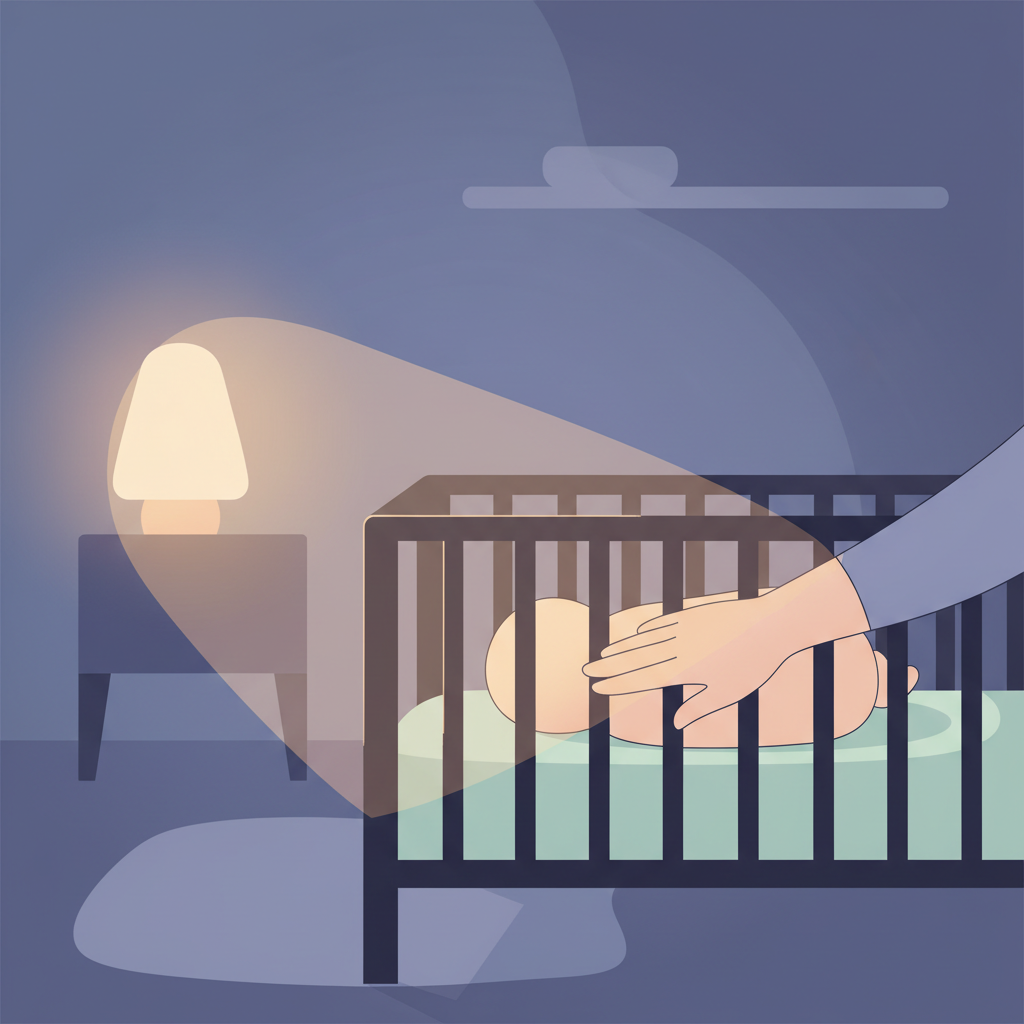
- Comfort vs. Holding the Line: If your baby seems genuinely distressed, needs a diaper change, or is clearly unwell, then offering comfort is appropriate. A quick check, a gentle pat, then back into the crib. The key is to be brief and keep the interaction calm and boring. This is especially important if your baby is sick; learn how to reset baby sleep schedule after illness with a gentle touch.
- If they seem simply awake and fussy: This is where you might need to hold the line, revisiting your original sleep training method. If you used a progressive waiting strategy, for example, stick to those intervals. Remind yourself that your goal is to help them learn to fall back asleep independently. This is also key to preventing regressions from getting worse, especially around the 4 month sleep regression.
It’s a delicate balance, and it’s okay if you sometimes lean more towards comfort. Just remember that the longer you stay and interact, the more you might be reinforcing the idea that waking up means getting a long session of parental attention.
What NOT to Do: Common Pitfalls to Avoid
During a regression, it’s tempting to do whatever it takes to get your baby (and yourself!) back to sleep. But there are a few common pitfalls that can undo your hard work.
First and foremost: Don’t throw out all your hard-earned progress. It’s easy to feel defeated and think, "This isn't working anymore, so I'll just rock him back to sleep every time." This can easily turn a temporary regression into a brand-new habit that you’ll have to retrain later. Resist the urge to revert to old methods that weren’t working before.
Secondly, avoid introducing new sleep crutches. This is the time when a swing, a pacifier (if you’ve weaned), or prolonged rocking feels like a lifesaver. But these are temporary fixes that can create new dependencies. If your baby can fall asleep independently, try to encourage that first before resorting to a new prop. If you do introduce something temporarily (like a pacifier for teething pain), have a plan to wean it once the regression passes.
When to Call the Pediatrician (or Re-Evaluate Your Plan)
Most of the time, a sleep training regression after successful sleep training is just a phase you need to weather. But there are times when it's wise to seek professional advice.
If your baby has suddenly become extremely difficult to wake in the morning, is feeding poorly, seems unusually lethargic, or has a fever that won't break, it's absolutely time to call your pediatrician. These could be signs of illness that need medical attention. You can also re-evaluate your plan for how to reset baby sleep schedule after illness once they are feeling better.
Also, if you’ve tried for a solid two weeks to get back on track with your sleep training methods and are seeing no improvement, or if things are actually getting worse, it might be time to re-evaluate.
- Is your current schedule definitely age-appropriate?
- Could there be an underlying issue you haven't identified (like silent reflux or allergies)?
- Is your sleep training method still the right fit for your child’s temperament?
It’s also crucial to remember to seek support for your own well-being. Sleep deprivation is serious, and honestly, it can make you feel like you’re losing your mind. Talk to your partner, a friend, or a parent group. If you’re feeling overwhelmed or consistently struggling, don’t hesitate to reach out to a qualified sleep consultant or your pediatrician for guidance. You are doing an amazing job, even when it feels like you’re not.