Help Your 3-Year-Old Overcome Fear of Darkness & Sleep
Learn practical strategies to help your 3-year-old overcome their fear of darkness and sleep better. Create comforting routines, use gentle night lights, and empower your child.
Taming Nighttime Worries: How to Help a 3-Year-Old Overcome Fear of Darkness and Sleep Better
With my first, Lily, a sudden fear of the dark sent us spiraling. Bedtime became a battleground of tears and dread. By the time Leo, my fourth, hit three, the familiar shadows crept in, but my approach was entirely different. Looking back, the panic I felt initially was completely unnecessary. It’s a normal developmental phase, a sign of growing imagination, not a sign of doom. If I could tell my younger self one thing about this stage, it would be: breathe, and remember it’s temporary.
The Shadowlands: Why the Dark Suddenly Seems So Scary
Your three-year-old is entering a fascinating stage where imagination runs wild, and the lines between fantasy and reality blur. This is a good thing! It means their brains are developing rapidly, creating rich inner worlds. But with that vivid imagination comes the potential for new fears. The familiar shapes of their room can transform into monsters when the lights go out.
This isn't about your child being "difficult"; it's about their brains making huge leaps. The darkness itself isn't the problem, but rather what their developing minds fill the darkness with. What you might see as a pile of clothes, they might see as a lurking creature. It’s a sign of cognitive growth, but it can be unsettling for everyone involved.
Signs Your Toddler is Genuinely Afraid
You know your child best. Beyond a simple preference for light, look for these indicators of genuine distress:
- Reluctance to enter their room after dark.
- Crying or significant distress when the lights are turned off.
- Frequent requests for the light to be on throughout the night.
- Waking up frequently with nightmares or fear.
- Clinginess and increased anxiety leading up to bedtime.
If you're noticing these patterns, it's a good sign they're genuinely dealing with night fears.
Crafting a Comforting Twilight Ritual
With my first, I’d stress about forcing sleep, convinced any delay was a failure. By my fourth, I understood that a calm, predictable bedtime routine was the real magic potion. It signals to their busy brains that it's time to wind down and feel safe. Consistency is your superpower here.
The Power of Predictability
A gentle, unhurried routine helps prepare your child emotionally and physically for sleep. Think of it as a series of gentle cues. It could be a warm bath, putting on pajamas, a quiet story, and then cuddles. The exact steps aren’t as important as the reliable order. This predictability reassures them that even though the day is ending, familiar, comforting things are still happening.
Pre-Bedtime Chats: Listening and Validating
Take a few minutes before the routine officially begins to simply talk. Ask about their day, but also create space to acknowledge their feelings. If they express fear, don’t dismiss it. Instead, validate it. "It sounds like you're worried about the dark tonight. That's okay to feel." This simple act of listening can be incredibly powerful.
Stories That Conquer the Dark
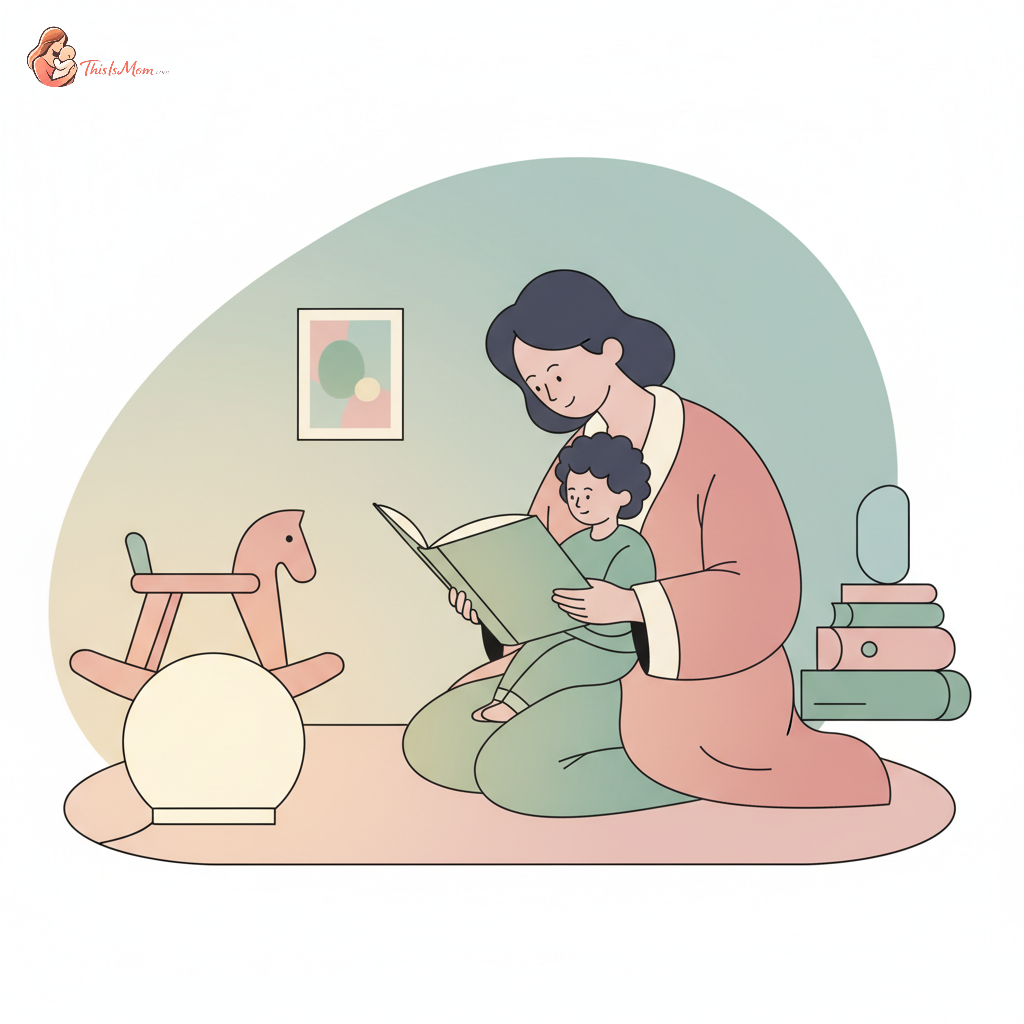
Many wonderful children's books are designed to help little ones navigate fears. Reading stories where characters overcome their anxieties can be incredibly effective. It provides a narrative framework and shows them that fear is manageable. Look for books with gentle illustrations and reassuring endings.
Illuminating the Night: Practical Tools for a Brighter Room
Once you've established a comforting routine, you can introduce some physical aids. The goal here is to create a sense of security, not to banish all shadows completely. Too much light can actually disrupt sleep.
The Art of the Night Light
Choosing the right night light is key. You want a soft, warm glow that illuminates the immediate surroundings without casting harsh shadows or being too bright. Avoid anything that emits blue light, as this can interfere with melatonin production. Think subtle, not spotlight. Some children prefer a projector that casts gentle stars or shapes, which can be a lovely distraction.
Discover your baby's phase
Comforting Rituals: Beyond the Light
Beyond the night light, consider other comforting rituals. "Monster spray" – a spray bottle filled with water and a calming scent like lavender – can be a fun way for your child to feel in control. You can spray it together around the room to "chase away" any worries. A special stuffed animal or blanket can also become a powerful guardian against nighttime fears.
The "All Clear" Room Check
Before tucking them in, do a quick, reassuring check of the room. Open closets, look under the bed together, and point out familiar objects. "See? Just your toy box. And your books." This helps to demystify any shadowy corners and reinforces that the room is safe. Make it a quick, positive action, not a drawn-out event.
Empowering Your Little Warrior: Part of the Solution
The most effective way to help a child overcome fear is to empower them. When they feel like they have some control, their anxiety often lessens.
Choices Bring Confidence
Let your child have a say in their comfort items. Can they pick out a new, special night light together? Can they choose their favorite pajamas? Giving them agency in these small decisions can boost their confidence significantly.
Playful Practice
Before bed, engage in some playful activities that put them in charge of light. Playing a gentle game of "flashlight tag" in the living room, or letting them "light up" their own path to the bathroom with a child-safe flashlight, can help them associate light with fun and control.
Positive Declarations
Work on simple, positive affirmations. "I am safe." "My room is cozy." "I can sleep soundly." You can say these together, perhaps while looking at their reflection in the mirror or while snuggling before lights out. Reinforce their bravery and their ability to manage these feelings.
When to Seek a Little Extra Guidance
Most childhood fears are a passing phase. However, there are times when a little extra support might be helpful.
Recognizing Persistent Fears
If your child's fear of the dark is causing significant distress for an extended period, impacting their overall mood, or severely disrupting family sleep, it might be time to explore further. Consider if the fear is spreading to other situations or if it seems unusually intense.
A Quick Pediatrician Check-in
For many parents, a quick chat with their pediatrician can be reassuring. They can confirm that this is a typical developmental stage and offer additional strategies if needed. They can also rule out any underlying medical reasons, though this is quite rare for typical night fears.
The Long View
Looking back at all my children, these intense nighttime fears usually peak and then fade. In hindsight, the most important thing I learned was to provide consistent comfort and reassurance, rather than trying to "fix" it immediately. This too shall pass, and your child will emerge more resilient.
This chapter of nighttime worries can feel overwhelming, but remember you're not alone, and you have more wisdom within you than you realize. Your calm presence is the brightest light your child needs.