8 Gentle Ways to Help Overtired Baby Sleep Without Nursing
Discover gentle strategies to help an overtired baby fall asleep without nursing. Learn preventive tips, soothing techniques, and emergency tactics for peaceful nights.
Overtired Baby? Gentle Ways to Sleep Without Nursing
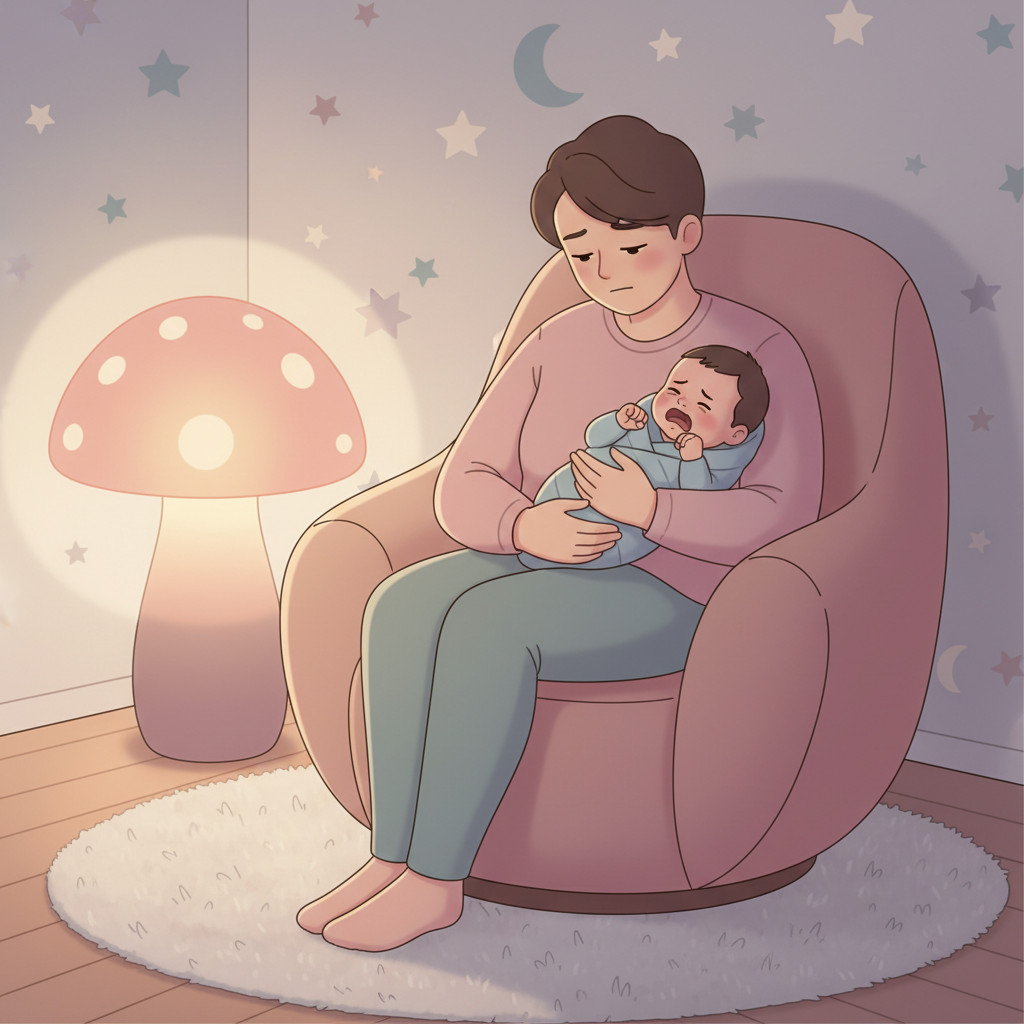
It was 2:13 a.m. when I finally put Noah back in his crib, my arms aching. He cried for what felt like an eternity, a raw, desperate sound that ripped through the quiet Brooklyn night. I’d nursed him, rocked him, swayed him, shushed him until my voice was hoarse. Nothing worked. In that moment, staring at him through blurry, sleep-deprived eyes, I knew this was a topic we desperately needed to discuss: how to help an overtired baby fall asleep without nursing. Sometimes, mama, the breast is just not the magic fix we hoped for, especially when your little one is past the point of no return on the overtiredness scale.
The Deeper Dive into an Overtired Baby: It's More Than Just Sleepy
You know that look. The glassy eyes, the frantic fussing, the inability to settle. Your baby might seem more awake and wired the more tired they get. This is the hallmark of the overtired baby. It’s not that they don’t want to sleep; it’s that their little systems are so overloaded with stress hormones like cortisol that falling asleep becomes a monumental, almost impossible task.
The Overtired Cycle: A Vicious Circle
When a baby misses their sleep cues because they’re too stimulated or have been awake too long, their system goes into overdrive. This makes it incredibly hard for them to switch off. Then, when they finally do fall asleep, the sleep quality is often poor, leading to more frequent wakes and an even more overtired baby the next day. It's a loop that can feel utterly relentless, leaving everyone feeling depleted.
Setting the Stage for Sleep: Preventing Overtiredness Before It Strikes
Honestly, the best way to deal with an overtired baby is to avoid overtiredness in the first place. It sounds simple, but it’s a constant dance of observation and adjustment.
Wake Windows: Your Secret Weapon
Wake windows are the amount of time a baby can comfortably stay awake between sleep periods. These change significantly as they grow.
- 0-3 months: 45-60 minutes
- 4-6 months: 1.5 - 2.5 hours
- 7-12 months: 2.5 - 3.5 hours
Watching for sleepy cues (yawning, rubbing eyes, looking away, decreased activity) and putting your baby down before they hit that overtired frenzy is key. If you have a baby around 4 months old, remember that the 4-month sleep regression during daylight saving time can add an extra layer of complexity to wake windows and sleep cues.
The Magic of Routine, Mama
Babies thrive on predictability. A gentle, consistent bedtime routine signals to your baby that sleep is coming. It doesn't have to be elaborate. Think: bath, pajamas, a quiet story or song, then into the crib drowsy but awake. This consistency helps them wind down and prepares their mind and body for sleep. This is as crucial for a one-year-old as it is for a newborn, and parents often find that establishing a solid routine can help prevent meltdowns, even if your 1-year-old is refusing to stay in their own bed sometimes.
Crafting the Perfect Sleep Sanctuary
Your baby's sleep environment plays a huge role. For most babies, this means:
- Darkness: Blackout curtains are your friend. Even small amounts of light can disrupt sleep.
- Sound: White noise can mimic the womb and drown out household sounds. Keep it at a consistent, moderate level.
- Temperature: A comfortably cool room (around 68-72°F) is ideal for sleep. Consider a baby monitor with local storage to keep an eye on your little one without unnecessary disruptions or privacy concerns.
Gentle Soothing: Guiding Your Overtired Baby to Dreamland (Without Nursing)
Okay, so you missed the wake window. The overtired wave has hit. Now what? The goal here is to be a calming presence, to soothe, not stimulate.
The 'Shush-Pat' Symphony
This is a classic for a reason. When your baby is in their crib, very softly shushing them, accompanied by a gentle, rhythmic patting on their back or bottom. The key is gentle and rhythmic. Too loud, too hard, or erratic, and you’ll just escalate things. Keep your voice low and steady.
The Power of Motion and Rhythm
For many overtired babies, a little movement can be the ticket. Think gentle swaying, rocking in a glider, or even slow bouncing on an exercise ball. The motion can be incredibly calming, helping to regulate their nervous system. Find a rhythm that feels soothing to both of you. This can be particularly helpful if your baby is generally having trouble sleeping, like a 9-month-old waking every hour.
Discover your baby's phase
Comfort Without the Breast: Other Ways to Connect
Sometimes, babies need comfort and connection that isn’t feeding-related.
- Skin-to-Skin Cuddles: Even at this age, the simple act of holding your baby against your bare chest can be incredibly reassuring. The warmth, the heartbeat, the familiar smell – it’s primal comfort.
- Gentle Touch: A soft massage can help them relax. Focus on their back, legs, or feet.
- Your Voice: Hum or sing a soft lullaby. Your familiar voice is a powerful sedative.
Distraction & Redirection: A Wild Card
Occasionally, if the overtiredness is just starting to creep in, a gentle distraction can work. This could be a peek-a-boo with a soft toy, a quiet puppet show, or even just a change in your facial expression. The goal is to offer a brief moment of novel, calming engagement, not to get them super excited.
Emergency Tactics for the Deeply Overtired
When your baby is truly beyond the point of reason, it’s time for a gentle reset. These are not always ideal, but sometimes necessary to break the immediate cycle.
A Quick Change of Scenery
Sometimes, moving to a different, quiet room can help. Dim the lights, reduce noise, and try your soothing techniques there. If that doesn't work, consider a very brief outdoor excursion. Even a few minutes of fresh air on the porch can sometimes reset a cranky mood.
The Car or Stroller: A Last Resort
I'll admit it: the car seat and stroller have been lifesavers on more than one occasion when Noah was severely overtired and nothing else worked. The combination of motion and confinement can often lull a baby to sleep, even if it's just a short, restorative nap. The key is to get them back into their sleep space as soon as they're asleep, if possible, to reinforce healthy sleep habits. This is especially relevant for parents who might find their baby only sleeps in a carrier or stroller and are looking for ways to transition them.
Embracing the 'Half-Nap'
If your baby can only manage a very short, cat-nap because they're so overtired, that’s okay. Sometimes, just that brief period of rest can take the edge off enough for them to eventually settle into a longer sleep. Don't discount the power of even a 20-minute power nap. For a 6-month-old struggling with naps, these short rests can be a stepping stone to encouraging longer naps.
Moving Beyond Nursing to Sleep: Breaking the Association
This is where many moms find themselves asking: "How do I break this breastfeeding sleep association?" It’s natural. Nursing is deeply comforting, and babies learn to associate it with sleep.
Why Babies Associate Nursing and Sleep
The milk contains natural sedatives, and the sucking reflex itself is incredibly soothing for babies. It’s a biological connection that’s hardwired. For many families, nursing to sleep is a wonderful, bonding experience, and there’s no shame in that. But as babies grow, and especially if sleep is becoming a major struggle, some parents want to explore other ways to comfort baby without nursing at every sleep interval. This can be particularly relevant for mothers who are considering combo feeding strategies or who need to encourage their baby to take a bottle after breastfeeding exclusively using gentle tips for baby refusing bottle.
Gradual vs. Sudden Shifts: Find Your Fit
The truth is, there’s no one-size-fits-all approach. Some families prefer a gradual weaning from nursing-to-sleep, perhaps by introducing a cuddle or a song before nursing, or by shortening nursing sessions. For others, a more distinct shift might be necessary. The gentle overtired baby sleep methods I’ve shared can help ease this transition. The most important thing is to choose a strategy that feels right for you and your baby. If you've tried some methods and they didn't work, you might be wondering what if cry-it-out fails for your 1-year-old, and these gentle methods can offer alternatives.
When to Call for Backup
You are NOT a failure if you need help. If you've tried everything and you're still struggling, it's okay to reach out.
- Your Partner: If you have a partner, enlist their help with soothing. Sometimes a different voice, a different caregiver, can make all the difference.
- Friends & Family: A mom who has been there can offer invaluable advice and emotional support.
- Professionals: If sleep is a persistent, overwhelming issue, don't hesitate to consult with your pediatrician, a lactation consultant (IBCLC), or a certified sleep consultant. They can offer personalized strategies and support. Finding an IBCLC covered by US insurance can make professional help more accessible.