Hide Vegetables in Toddler Meals Without Pureeing
Discover effective strategies to hide vegetables in toddler meals without pureeing. Learn grating, chopping, and mixing techniques to boost nutrition for picky eaters.
How to Hide Vegetables in Toddler Meals Without Pureeing
With my first child, the idea of feeding a baby anything other than a perfectly smooth, single-ingredient puree felt like stepping onto a tightrope. By my fourth, with a bustling household and a new level of kitchen chaos, I'd figured out how to successfully hide vegetables in toddler meals without pureeing, and honestly, it was a revelation. Looking back, much of the early toddler feeding stress stemmed from trying to force whole, raw vegetables onto a hesitant palate.
The truth nobody tells you is that toddlers are still developing their taste buds and their own ideas about what they like. Pureeing every single vegetable might seem like the only way, but it misses a crucial developmental step: getting them comfortable with different textures and flavors. In hindsight, focusing solely on purees meant I wasn't preparing them for the "real" food world. We're talking about how to make healthy eating a less dramatic affair for everyone involved.
Beyond the Blender: Why We're Skipping the Puree Step
With my first child, I was convinced that smooth was the only way. Any lump, any hint of texture, was a potential disaster. By my fourth, I understood that a varied diet means varied textures. Toddlers are learning about the world through all their senses, and that includes the feel of food in their mouth. Offering them a spectrum of textures, even subtly, helps them develop a broader palate.
It's also about what’s realistic for a busy parent. Pureeing takes time and means extra dishes. By finding ways to finely chop or grate, you’re often cutting down on prep and cleanup. It’s about efficiency married with nutrition.
Setting Realistic Expectations: It's a Journey, Not a Sprint!
If I could tell my younger self one thing, it'd be to breathe. The intense pressure to have your toddler devour a plate of broccoli florets on day one is just setting yourself up for disappointment. My oldest went through phases where he’d eat anything, followed by months where he’d only touch beige food. My youngest, bless her adventurous heart, will try almost anything. They are all individuals.
This journey of introducing vegetables, especially when aiming for non-pureed options, takes patience. Celebrate the small wins. A tiny nibble, a curious sniff, even just not actively spitting it out – these are all progress. This too shall pass, and your toddler’s eating habits will evolve.
The Art of Disguise: Incorporating Veggies Seamlessly
This is where the magic happens. You don't need a super-powered blender to sneak in those nutrients. It’s about smart chopping, clever mixing, and using familiar dishes as your canvas. These are the tricks that truly helped me master non-pureed vegetable ideas for toddlers.
Grate It, Don't Blend It: Zucchini, Carrots, and Squash in Everything
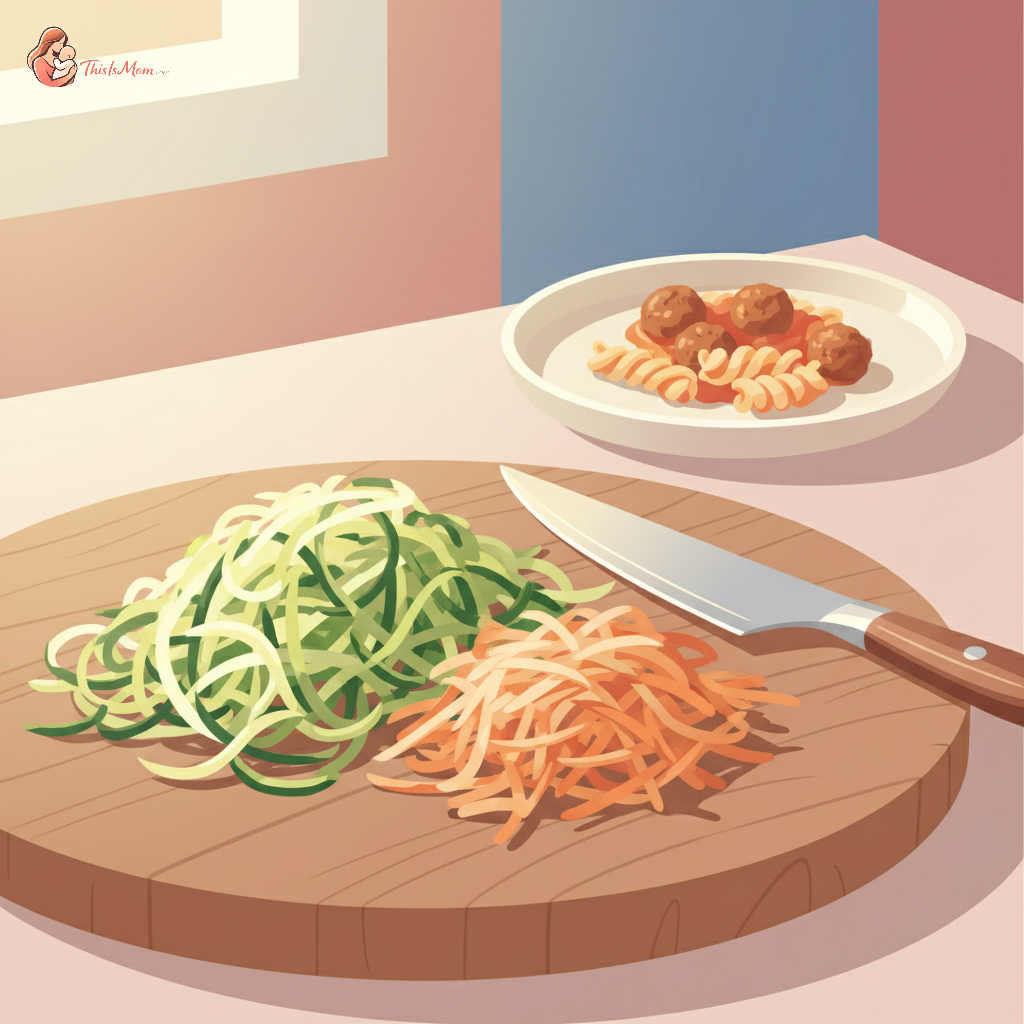
This is your secret weapon. Zucchini, carrots, and mild winter squashes like butternut or acorn can be grated so finely that they almost disappear into the mix. Think of it like adding a bit of extra moisture and fiber that no one will notice.
You can grate them into:
- Pasta sauces: A simple marinara can absorb a generous amount of finely grated zucchini and carrots.
- Meatballs or meatloaf: The moisture from the grated veggies helps keep the meat tender.
- Pancakes or waffles: Add grated zucchini or carrots to your favorite batter.
- Scrambled eggs or omelets: A small amount of finely grated carrot or zucchini can be mixed in.
Finely Chop and Mix: Spinach, Mushrooms, and Peppers' Disappearing Acts
Once your toddler is a bit more used to varied textures, you can move to finely chopping. The key here is to make the pieces very small – almost flecks – so they blend in.
Mushrooms, when minced extremely fine, can disappear into burger patties or pasta dishes. Spinach, too, wilts down considerably when cooked, and if chopped small enough before adding, it won't be an obvious green streak. Bell peppers, once sautéed until very soft and then minced, can add a subtle sweetness and color without being detected by picky eaters.
The 'Binder' Trick: Mixing Veggies into Meatballs, Patties, and Fritters
This is a classic for a reason, and it works wonders for toddler meals with hidden veggies. When you're making something that naturally holds together, it's the perfect opportunity to incorporate finely minced or grated vegetables.
The star players here are:
- Meatballs: Add grated zucchini, finely chopped mushrooms, or even shredded carrots.
- Chicken or turkey patties: Similar to meatballs, these can absorb a good amount of finely diced or grated veggies.
- Fritters: Think corn fritters, but with added finely grated zucchini or carrot. These are often naturally appealing due to their slightly crispy exterior.
- Veggie "nuggets": Mash cooked sweet potato or cauliflower and mix with a binder, then form into nugget shapes and bake or pan-fry.
Creative Cooking Ideas for 'Invisible' Veggies
The goal is to make these sneaky vegetables a natural part of meals they already enjoy. This isn't about a complete overhaul; it's about smart additions.
Breakfast Magic: Pancakes, Muffins, and Oatmeal with Added Goodness
Discover your baby's phase
Mornings can be rushed, but a few strategic additions can make a difference. Grated zucchini or carrots are fantastic in muffins and pancakes. For oatmeal, consider finely shredding some apple or pear and stirring in a bit of cinnamon along with the oats. A few finely chopped dates can also add natural sweetness and fiber.
Lunchbox Heroes: Mini Quiches, Pasta Sauces, and Cheesy Bites
Making toddler-friendly snacks and lunches often involves foods that can easily hide extra nutrition. Mini quiches are excellent vehicles for finely chopped spinach, bell peppers, or mushrooms. As mentioned, your favorite pasta sauce can be a stealthy veggie delivery system.
For a simple cheesy bite, try this: Mix mashed sweet potato or pumpkin with shredded cheese and a tiny bit of flour, form into small balls, and bake until golden.
Dinner Delights: Meatloaf, Casseroles, and Homemade Nuggets with a Veggie Boost
These are often the most familiar comfort foods, making them ideal for hiding vegetables. If you make meatloaf, make sure to grate in at least one vegetable (zucchini, carrot, or onion). Casseroles, especially those with creamy sauces or pasta, can easily incorporate finely chopped broccoli or cauliflower.
For homemade nuggets, instead of just chicken, try using mashed white beans mixed with finely grated zucchini or sweet potato, formed into nugget shapes, coated, and baked.
Flavor Pairing Secrets: Making Veggies Taste Good (Naturally!)
Even when hidden, the right flavor combinations can ensure acceptance. Sometimes, it's not about hiding them so well that they're undetectable, but making them palatable enough that they're accepted.
The Cheese Factor: A Toddler's Best Friend for Veggie Acceptance
Cheese is a magical ingredient for many toddlers. Its strong, familiar flavor can mask subtler vegetable tastes, and its creamy texture is often a hit. Shredded cheese mixed into almost anything – eggs, pasta, sauces, muffins, patties – is a great way to make veggies more appealing.
Sweet Relief: Pairing with Natural Sweetness
Toddlers often have a preference for sweet flavors. Naturally sweet vegetables like carrots, sweet potatoes, and butternut squash can be your allies. When you incorporate them into dishes, their inherent sweetness can make the overall flavor profile more agreeable. Think carrot muffins, sweet potato pancakes, or a butternut squash mac and cheese.
Herbs and Spices: Introducing New Dimensions of Flavor
Don't underestimate the power of herbs and mild spices. A pinch of cinnamon in muffins, a little garlic powder or Italian herbs in pasta sauce, or a touch of nutmeg in a creamy vegetable casserole can elevate the flavor and make the dish more interesting, drawing attention away from any subtle vegetable notes.
Beyond Hiding: Gentle Exposure and Positive Reinforcement
While hiding vegetables is a fantastic strategy, it's also important to remember the long game. The ultimate goal is for your child to willingly eat and enjoy vegetables.
Keep Offering: Even a Tiny Taste Counts (And Patience is Key)
This is crucial, even with the foods you've managed to hide. Continue to offer small, non-threatening portions of vegetables in their plain form on the side. Don't make a big deal if they don't eat them. Research suggests it can take many exposures before a child accepts a new food.
Lead by Example: Eating Your Veggies With Enthusiasm
Kids are sponges. If they see you happily munching on bell pepper strips or enthusiastically enjoying your salad, they are more likely to be curious. Make mealtime a positive, shared experience.
Involving Toddlers: From Grocery Shopping to Simple Kitchen Tasks
When your toddler has a hand in preparing food, they are often more invested in trying it. Let them help pick out a new vegetable at the grocery store, wash produce, or stir ingredients (with supervision, of course). Even a small task can spark interest.
This whole parenting gig is a marathon, not a sprint. The strategies for how to hide vegetables in toddler meals without pureeing are just tools in your ever-expanding toolbox. They help you navigate a tricky phase with a little less stress and a lot more success, ensuring your little ones get the nutrition they need, even when their palates are still learning. Give yourself grace, embrace the messy, and remember that most of these phases will fade with time.