Creative Ways to Hide Veggies in Toddler Smoothies
Discover clever and undetectable ways to hide vegetables in toddler smoothies! Get easy recipes and tips to boost your child's nutrition without mealtime battles.
Creative Ways to Hide Vegetables in Toddler Smoothies So They’ll Actually Drink Them
Is your toddler turning their nose up at anything green? You are not alone. The picky eating phase is a common developmental stage, and navigating it can feel like a daily battle. But what if there was a way to boost their nutrient intake without the drama? This article explores creative ways to hide vegetables in toddler smoothies, making them virtually undetectable and genuinely enjoyable for your little ones.
Why the Sneak? Understanding the Picky Eater Phase
Toddlers are renowned for their developing independence, and this often extends to their food choices. The American Academy of Pediatrics (AAP) explains that this pickiness can be a normal part of their growth as they assert control. Their taste buds are also maturing, and they may be more sensitive to certain flavors, especially those found in vegetables.
Balancing our desire for our children to eat a nutritious diet with the reality of mealtime peace can be challenging for parents. The goal is to ensure they are getting the vitamins and minerals they need, even when facing resistance to whole vegetables. Smoothies can offer a helpful solution by blending essential nutrients into a palatable format.
The Art of Disguise: Best Veggies for Smoothies
When it comes to creative ways to hide vegetables in toddler smoothies without them knowing, the key is selecting the right candidates. Not all vegetables blend seamlessly into a sweet drink. The guidelines suggest starting with milder, easily masked options:
- Spinach: This leafy green is a smoothie superstar. Its flavor is very mild and easily overpowered by fruit. It blends remarkably well, creating vibrant green smoothies that can be disguised with sweet fruits.
- Cauliflower (steamed and frozen): Surprisingly, cauliflower has a neutral flavor and a creamy texture when blended, especially when frozen. It can add thickness and nutrients without altering the taste.
- Zucchini: Raw or lightly steamed zucchini is another mild-tasting option. It adds bulk and a dose of vitamins without introducing a strong vegetable flavor.
- Carrots: Cooked or steamed carrots offer a touch of sweetness and a vibrant color, which can be masked by bolder fruit flavors.
Blending basics are also crucial for success. For the smoothest results, especially with tougher vegetables, consider steaming or blanching them first. Freezing pre-portioned vegetable chunks can also make your smoothie preparation quicker and result in a thicker, colder drink.
So, how do you sneak veggies into kids' smoothies effectively? It's all about combining the right vegetables with the right flavor profiles and ensuring a smooth, lump-free texture that appeals to your toddler’s senses.
Flavor First: Creative Combinations Your Toddler Will Love
The magic of a successful hidden veggie smoothie lies in its flavor. You want the sweetness of the fruit to be the dominant taste, effectively masking the vegetable notes.
Sweet fruit pairings are your best friend here. Mango, banana, berries (strawberries, blueberries, raspberries), pineapple, and peaches are excellent choices. Their natural sweetness and strong flavors can easily hide the presence of vegetables.
Using spices and extracts can also elevate the smoothie. A dash of cinnamon, a hint of vanilla extract, or even a tiny bit of ginger can add complexity and appeal without introducing any unwanted vegetable taste.
A helpful rule of thumb for smoothies, often discussed in parenting circles, suggests having at least three ingredients that your child already likes. This increases the likelihood of acceptance for new additions. For instance, if your toddler already loves banana and strawberries, adding a handful of spinach to a banana-strawberry smoothie is more likely to be accepted than introducing a completely new flavor profile.
Recipe Roundup: Undetectable Veggie Smoothie Creations
Here are a few tried-and-true hidden veggie smoothie recipes designed to delight even the pickiest toddlers. These kid-friendly smoothie recipes are simple, delicious, and packed with goodness.
Green Machine
This classic combination is a gateway to green smoothies.
- Ingredients: 1 cup frozen mango chunks, 1 cup fresh spinach, 1/2 ripe banana, 1 cup unsweetened almond milk (or milk of choice).
- Why it works: The mango’s tropical sweetness and bright color completely mask the spinach. The banana adds natural sweetness and creaminess.
Discover your baby's phase
Purple Power
Who says healthy can't be pretty? This recipe uses the surprising addition of cauliflower.
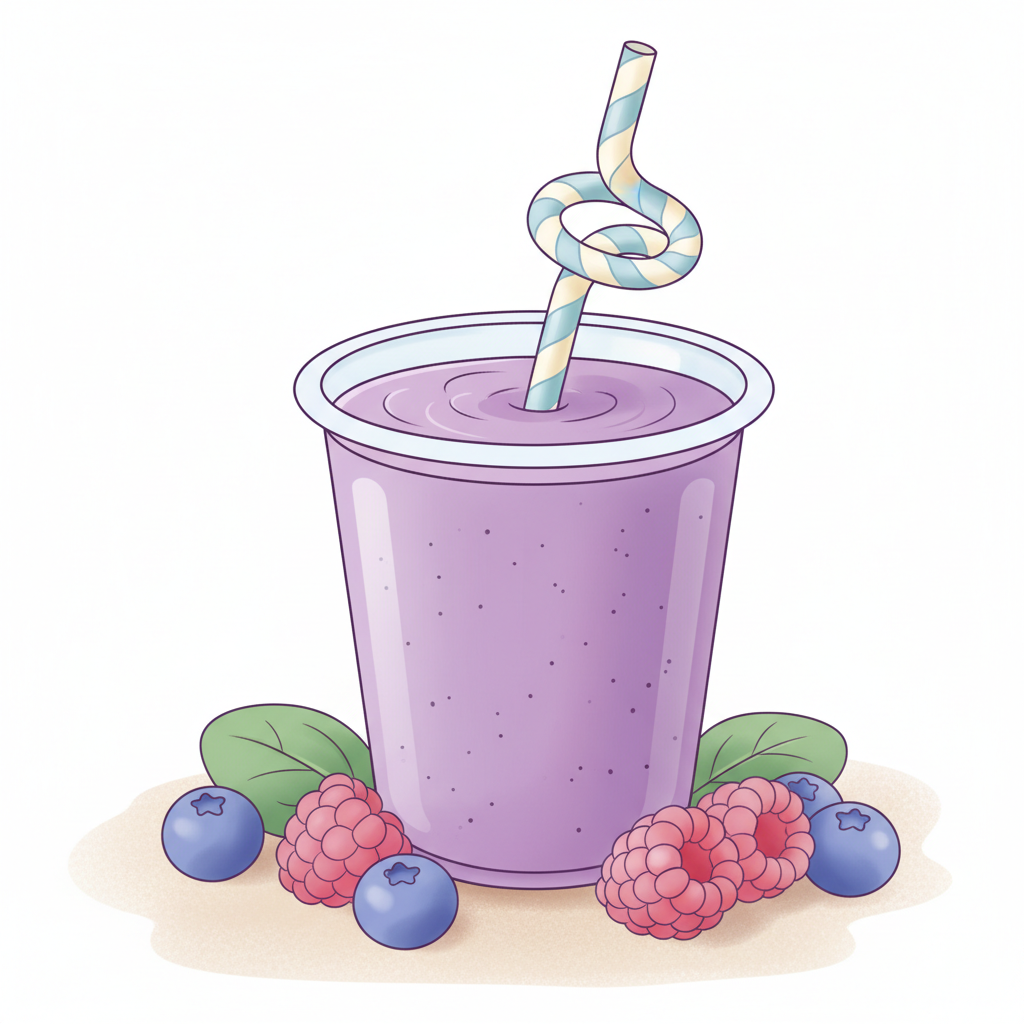
- Ingredients: 1 cup frozen mixed berries (strawberries, blueberries), 1/2 cup steamed and frozen cauliflower florets, 1/2 ripe banana, 1 cup unsweetened yogurt (or milk of choice).
- Why it works: The vibrant color of the berries dominates, and the cauliflower adds a surprisingly creamy texture without any discernible taste.
Sunshine Sip
Bright, cheerful, and nutritious, this smoothie is a winner.
- Ingredients: 1 cup frozen pineapple chunks, 1/2 cup cooked or steamed carrot (cooled), 1/2 ripe banana, 1 cup coconut water (or milk of choice).
- Why it works: Pineapple offers a tangy sweetness that pairs well with the slight sweetness of the carrot. The sunshine color is appealing.
Creamy Dreamy
Simple and satisfying, this banana-forward smoothie hides a stealthy veggie.
- Ingredients: 1.5 ripe bananas (preferably frozen), 1/2 cup zucchini (raw or lightly steamed), 1 tablespoon almond butter, 1 cup milk of choice.
- Why it works: Banana is a flavor powerhouse here, and zucchini adds creaminess and nutrients without impacting the taste. Almond butter adds healthy fats and a subtle nutty flavor.
Smart Smoothie Habits: Make-Ahead & Serving Tips
Making smoothies a regular part of your routine can be simplified with a few smart strategies for make-ahead and serving.
Batching for busy mornings is a game-changer. Prepare smoothie packs by portioning your chosen fruits and vegetables into freezer-safe bags. In the morning, simply dump a bag into the blender, add your liquid, and blend.
For storage and freshness tips, blend smoothies just before serving for the best texture and nutrient content. If you must make them ahead, store them in an airtight container in the refrigerator for no more than 24 hours. The texture may change slightly.
Creative serving ideas can encourage toddlers to drink them. Offer smoothies in fun cups with colorful straws, or freeze them into popsicles for a cool, healthy treat. Sometimes, simply calling it a "special drink" can make it more appealing.
Beyond the Blender: A Balanced Approach to Toddler Nutrition
While hidden veggie smoothies are a fantastic tool, it's important to remember they are a supplement, not a replacement for whole foods.
Smoothies as a supplement can help fill nutritional gaps, especially for toddlers in a pickier phase. They offer a concentrated source of vitamins, minerals, and fiber.
Continue to offer a variety of whole fruits and vegetables at meals and snacks. Encouraging whole food exploration in a low-pressure environment is key to fostering healthy eating habits long-term. Offer small portions, involve them in meal preparation, and model enjoyment of healthy foods yourself.
Ultimately, every child is unique. If you have significant concerns about your toddler's nutrition, their eating habits, or their growth and development, it’s always best to check with your pediatrician.[^1] They can offer personalized advice and address any specific worries you may have.
Navigating the world of toddler nutrition can be a journey. By using creative methods like hidden veggie smoothies, you can support your child's health while maintaining a more peaceful mealtime.