Hospital Bag Essentials for Partner: What to Pack
Ensure your partner is fully prepared to support you during labor and delivery. Discover essential items to pack in their hospital bag for comfort, fuel, and effective assistance.
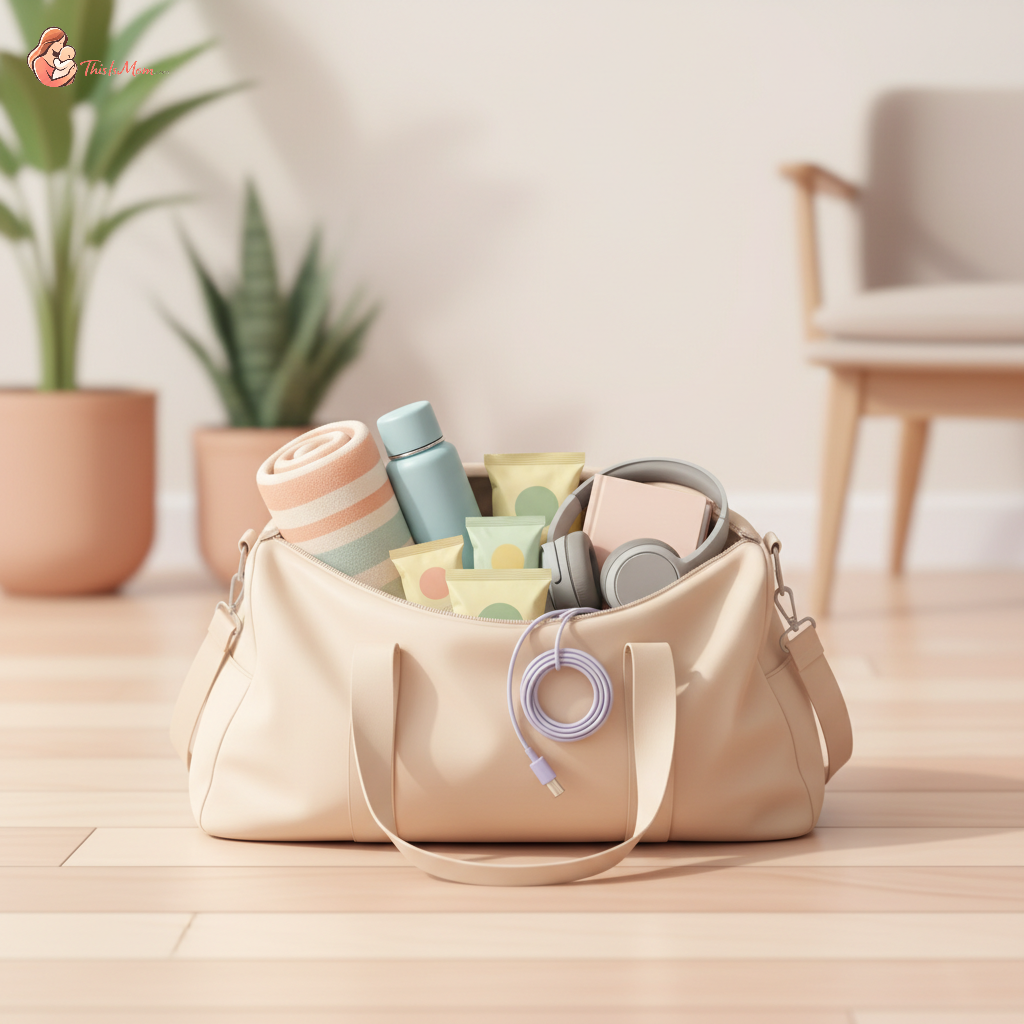
More Than Just Moral Support: Why Your Partner's Bag Matters
Your support person is your advocate, your comfort, and your calm center. During labor and delivery, they are your eyes and ears, your hand-holder, and the one who can anticipate your needs. When they are feeling prepared and cared for, they can dedicate their full energy to you. A partner who is stressed about being hungry, uncomfortable, or disconnected can't be as present as they want to be.
Packing their own hospital bag essentials helps ensure they can sustain their energy and focus throughout what can be a long and unpredictable process. It's a way to proactively address potential discomforts and distractions, allowing them to remain fully engaged with your needs and the unfolding birth. This minimizes the need for them to leave your side or for you to worry about their well-being, which is a gift to both of you.
Fuel & Hydration: Keeping Energy Levels Up
Labor is a marathon, not a sprint, and your support person needs to be fueled. Hospital food can be limited, unpredictable, or unavailable at odd hours, so a curated selection of snacks and drinks is crucial for keeping their energy levels up.
What to pack for your labor partner:
- Easy-to-eat, non-messy snacks: Think granola bars, trail mix, fruit snacks, jerky, crackers, and nuts. These provide quick energy without requiring much preparation or causing a fuss.
- Sustaining snacks: Pack items like applesauce pouches, protein bars, or small sandwiches.
- Caffeine considerations: For many, a morning coffee or afternoon tea is a ritual. Bringing instant coffee, tea bags, or a small energy drink can be a lifesaver if hospital options are limited. It's important for them to stay alert and present.
- Hydration is key: Hospitals can be dry, and it’s easy to forget to drink. A large, reusable water bottle with a straw is invaluable. Encourage your partner to sip frequently. Electrolyte drinks can also be helpful for sustained energy.
Comfort & Rest: Making the Waiting Game Bearable
Long hours are common in labor. Hospitals are not designed for comfort, especially for those spending days in waiting rooms or by a bedside. Your partner's comfort directly impacts their ability to provide steady support.
- A change of clothes: Pack at least one or two comfortable outfits. Sweatpants, t-shirts, and a hoodie or sweater are good choices. Think layers; hospital environments can fluctuate in temperature.
- A comfortable pillow and blanket: Hospital pillows are notoriously flat. A favorite travel pillow or a small, cozy blanket can make a huge difference in their ability to rest or feel more at home.
- Toiletries for personal hygiene: This is surprisingly important for feeling human. Pack a toothbrush, toothpaste, face wipes, dry shampoo, deodorant, and any personal medications. Freshening up can provide a much-needed reset.
- Comfortable shoes: They might be on their feet a lot or sitting for extended periods. Comfortable, supportive shoes are a must.
Discover your baby's phase
Tech & Entertainment: Distraction, Communication, and Memories
While the focus is on the birth, there will be moments of waiting. Being prepared for these lulls can prevent boredom and frustration, and ensure vital connections are maintained.
- Chargers, chargers, chargers! This can't be stressed enough. Ensure you have chargers for every device: phones, tablets, e-readers, cameras. A portable power bank can also be a game-changer if outlets are scarce.
- Headphones: For listening to music, podcasts, or audiobooks without disturbing others. A calming playlist or an engaging podcast can help pass the time during quieter moments or when a mental break is needed.
- Camera or video recorder: If you plan to capture memories, make sure the device is fully charged and has ample storage space. Assigning this role to your partner means they need the tools to do it well.
- Quiet entertainment: A good book, an e-reader, a deck of cards, or a small portable game can provide a welcome distraction during long stretches of waiting or when your partner needs a brief mental break.
Essentials for Supporting YOU: The Birthing Parent
This is where your partner’s bag directly benefits your experience. These items are for them to use on you, to help you through labor.
- Massage tools or lotion: A small massage ball, a back roller, or a bottle of unscented lotion can be incredibly helpful for counter-pressure, massage, or simply providing comfort.
- A list of affirmations or comfort measures: Write down phrases of encouragement, reminders of your strength, or specific comfort techniques you both have practiced. This is a gentle reminder for your partner of how they can best support you.
- Lip balm and hair ties: During labor, lips can get dry, and hair can be a distraction. Your partner can keep you hydrated with lip balm and manage your hair with hair ties.
- Phone numbers for key family/friends: Have a printed list of important phone numbers. This ensures your partner can easily update loved ones without relying solely on their phone’s contact list.
The Takeaway: Pack Smart, Support Fully
Being prepared is a powerful act of self-care for your support person, which in turn allows them to better care for you. When your partner has their own essentials covered, they can remain focused, calm, and present, which is exactly what you need during labor and delivery. It empowers them to be the best support system possible.
Remember to also check your hospital's specific policies regarding permitted items and any visitor guidelines. Some hospitals have restrictions on food items or require specific types of equipment.
This is your birth, your journey, and your support system’s role is vital. Trust yourself, trust your partner, and trust the process. You've got this, and being prepared is just one more way to honor your strength and your choices.