Toddler Jumping: How to Encourage Both Feet Jumps
Help your toddler learn to jump with both feet! Discover fun activities, foundational skill-building tips, and gentle ways to encourage this milestone.
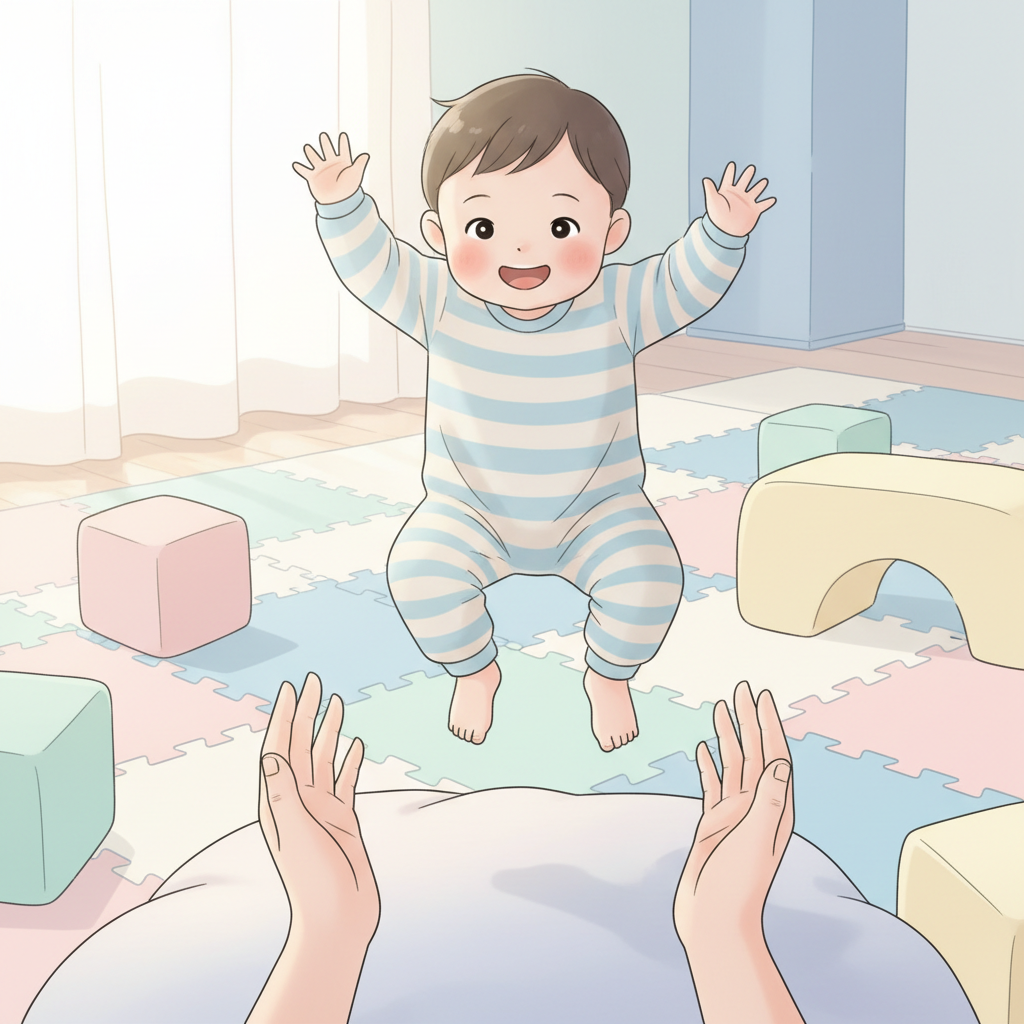
Little Leaps: How to Encourage Your Toddler to Jump With Both Feet
Before you worry about flashcards or formal lessons, take a moment to observe your child's movement. Are they taking tentative steps, or are they running with gleeful abandon? Every child’s journey is unique, and this stage of physical development—especially learning to jump with both feet—is no different. It’s a significant milestone, a joyful expression of growing confidence and coordination, and it unfolds at its own pace.
Many parents wonder, "When do toddlers start jumping with both feet?" While there's no single age, you'll often see this skill emerge between 18 months and 3 years old. Some may surprise you with a confident hop sooner, while others take their time. This developmental window is broad, and it’s important to remember that a 2-year-old struggles to jump with both feet for many reasons, often just needing more time and practice. Similarly, a 3-year-old who is still mastering this skill is likely on track, particularly if they are developing other physical abilities.
The ability to jump with both feet isn't just a fun trick; it’s a complex motor skill that integrates several developmental areas. It requires core strength for stability, leg strength for upward propulsion, balance to maintain an upright position in the air, and coordination to bring both feet together. When a child masters this, they are also honing their proprioception (the sense of their body in space) and developing landing mechanics, which are essential for preventing injuries as they become more adventurous movers. It’s a true demonstration of their developing whole-body awareness.
Laying the Foundation for Flight
Before we even think about pushing off the ground, there are foundational skills that need to be in place. Think of it as preparing the launchpad for those little leaps!
Building Strength and Stability
A strong core and good balance are the unsung heroes of jumping. These enable the child to control their movements and maintain stability. Activities that build this strength can happen long before actual jumping.
- Crawling and Climbing: These fundamental movements are excellent for developing core muscles and coordination. Encourage plenty of opportunities for your child to crawl through tunnels, climb over soft cushions, or navigate low play structures.
- Pushing and Pulling: Even simple tasks like helping to push a toy bin or pull a wagon engage the core and limb muscles.
- Cruising and Walking: As your child becomes more mobile, the act of walking and cruising along furniture helps build leg strength and balance.
Mastering the Squat and Soft Landing
Jumping involves both pushing up and absorbing impact when landing. Learning to squat effectively is a precursor to both.
- The Deep Squat: Observe your child when they pick up a toy from the floor. Do they bend their knees and lower their hips, or do they bend at the waist? A deep squat demonstrates good hip and knee flexion, which is essential for generating power for a jump and for absorbing landing forces.
- Practice "Soft Landings": Even without jumping, you can model and encourage soft landings. When coming down from a step or a small rise, encourage bending the knees. You can even do this playfully: "Let's land like fluffy bunnies!" demonstrating a soft absorption of the landing.
Gentle Invitations to Jump
When the time feels right, we can begin to offer playful invitations to explore jumping. The key here is gentle, playful guidance, and absolutely no pressure. The goal is to make movement joyful and exploratory.
The First Hops: Small Steps to Lift-Off
These activities focus on the precursors to a full jump, celebrating even the smallest attempts.
- Assisted Hops: Hold your child's hands while they are standing. Gently bounce them slightly, encouraging their feet to lift off the floor together. This gives them the sensation of losing contact with the ground.
- Mini-Bounces: Encourage your child to "bounce" on the spot while holding onto something stable, like a sturdy table or your hands. Even a little rocking motion where their feet briefly leave the ground is a success.
- "Lift Your Feet" Game: Play a game where you say, "Lift your feet!" and clap or make a little hopping motion yourself. Sometimes, imitation is the most powerful teacher.
Creating Zones for Exploration
The environment can be a wonderful tool to encourage movement and experimentation.
- Pillow Jumps: Place a few soft pillows on the floor and encourage your child to "jump" from one to another. This provides a soft landing and a sense of accomplishment.
- The Magic Line: Use masking tape or chalk to create lines on the floor. Encourage your child to jump over the line with both feet. Start with a very short line, almost nonexistent, and gradually increase the challenge as they gain confidence.
- Low Obstacles: Use something as simple as a rolled-up towel or a very low, soft bolster. Encourage jumping over it. Keep it low and safe, focusing on the act of getting both feet over.
Music and Movement Rhymes
Rhythm and music are powerful motivators for movement. Many traditional rhymes naturally encourage this action.
Discover your baby's phase
- "Teddy Bear, Teddy Bear": This classic rhyme often includes instructions to "turn around" and "jump up and down," which can be adapted to encourage two-footed jumps.
- Animal Movements: Many songs and rhymes involve animals that jump. Think of songs about bunnies or frogs, and encourage children to mimic their hopping.
- Free Dance: Put on some upbeat music and simply dance with your child. You can model jumping, and they will often follow suit, finding their own rhythm and way to move their bodies.
Fun and Games to Build the Skill
As your child becomes more comfortable with the idea of jumping, we can introduce games that make practice feel like pure fun.
The Copycat Challenge: Follow the Leader
Children are natural imitators. This game leverages that inclination to build confidence and skill.
- Leader and Follower: Take turns being the leader. When you jump with both feet, encourage your child to do the same. Celebrate their attempts, no matter how small.
- Exaggerated Jumps: Make your jumps big and bouncy, or small and quick. This variety can encourage your child to try different approaches and find what feels best for them.
Animal Adventures
Transforming jumping practice into imaginative play is a fantastic way to keep motivation high.
- Bunny Hops: Crouch down, bring your knees towards your chest, and hop forward. Ask your child to be a bunny with you!
- Frog Leaps: Encourage a deeper squat and a bigger leap forward. "Can you leap like a frog across the pond?"
- Kangaroo Jumps: Hold your arms out in front for balance and hop forward with both feet together.
Targeting Fun: Games for Focus
These activities add a layer of purpose to the jumping practice, helping with focus and spatial awareness.
- Jump to the Toy: Place a favorite toy a short distance away. Encourage your child to "jump, jump, jump" to reach it.
- Hopping into Hoops: If you have hula hoops, lay them on the ground and encourage your child to jump into each one from a standing position.
- Beanbag Toss Jumps: Place a target (like a laundry basket) a short distance away. Have your child stand behind a line, jump with both feet, and then try to toss a soft beanbag into the basket. This adds a fun challenge.
My Toddler Can't Jump With Both Feet Yet: What to Consider
It's natural to compare our children's development to others, but it’s important to remember that every child is on their own unique timeline.
Is My 2 Year Old or 3 Year Old Behind?
If your 2-year-old can't jump with both feet, or if your 3-year-old is still working on it, please know this is often perfectly normal. Many factors influence the timing of this skill:
- Individual Pace: Some children are more naturally inclined towards gross motor skills than others.
- Opportunities: Has your child had ample opportunity to practice in safe, encouraging environments?
- Motor Planning: For some children, the coordination and motor planning required for this specific skill takes longer to develop.
- Other Strengths: Is your child excelling in other areas of development? They may be focusing their energy elsewhere for the moment.
Instead of labeling it as "behind," view it as a stage of development that requires more time and consistent, playful practice. Continue offering gentle invitations and playful activities.
When to Consider a Conversation with Your Pediatrician
While it's important to avoid unnecessary worry, there are times when a conversation with your child's pediatrician might be beneficial. If you notice a combination of significant delays across multiple developmental areas, or if your child is showing signs of muscle weakness, extreme clumsiness, or a general lack of interest in movement, it's always a good idea to check in.
Your pediatrician can assess your child's overall development, rule out any underlying issues if necessary, and provide reassurance or suggest further steps if they deem it appropriate. They are your best resource for understanding your child's individual growth trajectory.
Watching your child gain new physical skills is one of the great joys of parenting. Embrace the process, celebrate the small victories, and remember that the most effective "teaching" often comes through play, love, and patient observation. Try introducing one new jumping activity this week and see how your child responds.