Encourage Toddler to Point for Better Communication
Learn effective strategies to encourage your toddler to point for communication. Discover playful activities and supportive tips to foster this vital developmental milestone.
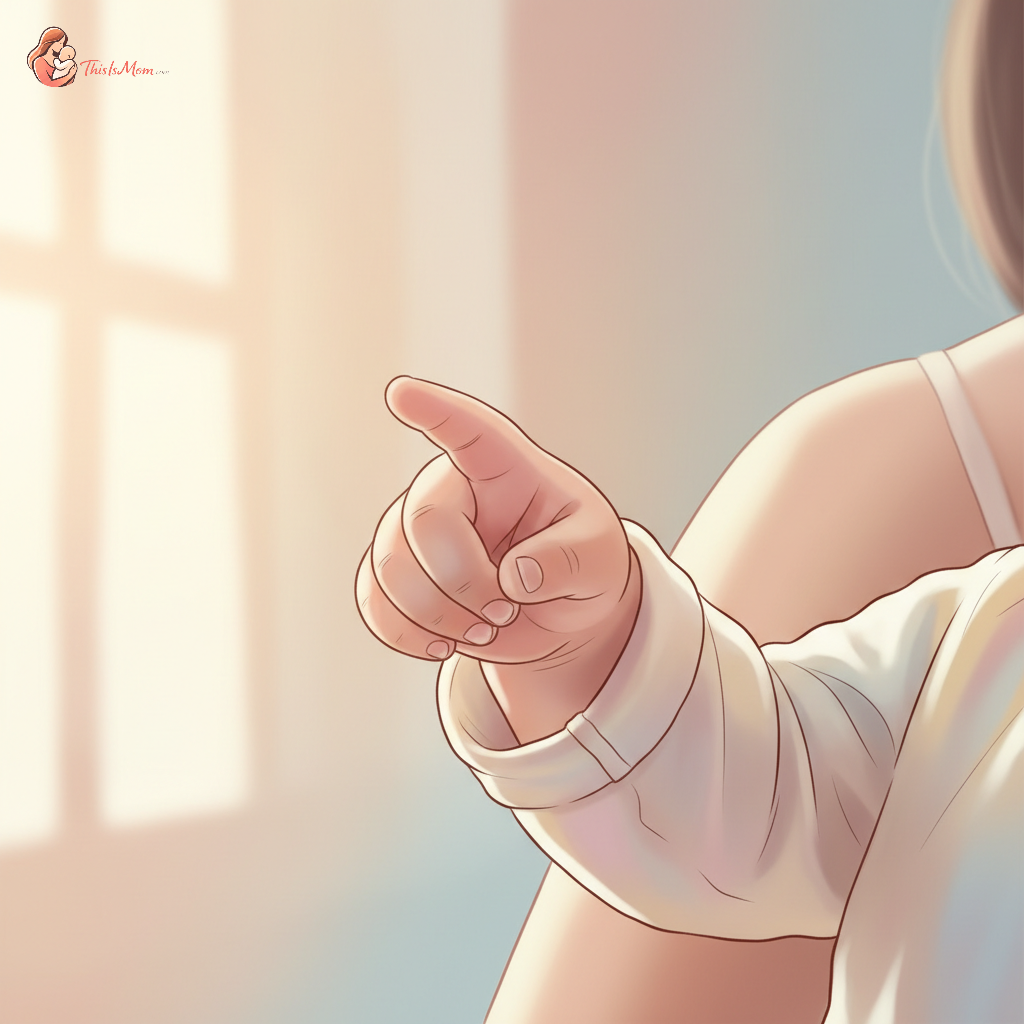
The Tiny Finger: Encouraging Toddlers to Point for Communication
Before you feel the pressure to introduce flashcards or worry about specific word counts, try this: for the next few days, simply observe your toddler during their waking hours. Notice the moments they seem to want something, to share an interest, or to draw your attention. How do they go about it? Often, in those early stages, the answer lies in a tiny, extended finger. Understanding how to encourage a toddler to point for communication is a powerful step in supporting their burgeoning language skills. This seemingly simple gesture is a significant milestone, a bridge between their internal world and the external one.
Why Pointing Matters for Communication
Why does pointing hold such importance in a child's communication journey? It's more than just a way for them to say "look!" It's a foundational skill that directly correlates with language development. When a child points, they are actively engaging with their environment and attempting to share that engagement with you. This act of reaching out, both physically and socially, primes the brain for more complex forms of communication.
There are two main ways a child uses their finger to communicate. The first is imperative pointing, often seen earlier. This is when the child points to get something they want – a toy out of reach, a snack, or to be picked up. The second, and often considered more advanced, is declarative pointing. This is when the child points to share information or an experience, simply to draw your attention to something they find interesting. "Look at that doggy!" is an example of declarative pointing, where the intent is to share the joy of discovery.
Most children begin to show signs of imperative pointing between 9 and 12 months of age. Declarative pointing typically emerges a bit later, around 12 to 18 months. However, these are just general timelines. Each child develops at their own pace, and focusing on the process rather than a strict deadline is key.
Creating an Environment for Connection
The best way to foster any skill in a child is to prepare the environment in a way that naturally invites exploration and interaction. Creating a space where pointing is not only useful but also encouraged can significantly boost your toddler's communication efforts. It's about making communication feel like a joyful, collaborative dance.
Begin by modeling pointing yourself in everyday interactions. When you see something interesting, point to it and name it. "Look at the bright red bird in the tree!" or "See that big truck going by?" You can also point to objects your child is interested in. If they're looking at a book, point to the pictures and tell them what they are. This consistent demonstration shows them the function and effectiveness of the gesture.
Using gestures and visuals alongside your words can also make your communication richer. When you offer choices, for example, point to each option. "Do you want the apple or the banana?" Presenting tangible choices they can point to makes their desire clear and reinforces the gesture.
Ultimately, you want to make communication a two-way street. Respond enthusiastically when your child attempts to communicate, whether through a point or a sound. Show them that their efforts are seen and valued. This positive feedback loop is incredibly motivating for the child.
Playful Paths to Pointing
The beauty of the Montessori approach is its reliance on play and natural exploration. Instead of formal lessons, we create engaging invitations that encourage a child to practice skills organically. Here are a few simple, low-cost activities you can try with your toddler this week to encourage pointing as a form of communication.
Discover your baby's phase
- "I Spy" for Little Eyes: Adapt the classic game. Instead of complex riddles, simply play a gentler version. While you’re out and about, or even in your own home, pick an object and say, "Can you find the blue ball?" or "Where is your teddy bear?" Encourage them to point. When they do, celebrate their success! You can also do this with colors: "Point to something red!" This game helps them focus their attention and use pointing to identify items.
- Storytime Connections: Books are treasure troves for communication. As you read with your child (ages 12-36 months), make a point of pointing to the illustrations. "Look, a little mouse!" or "Can you point to the sun?" Encourage your child to point to things that catch their eye. Even if they can't name the object yet, their pointing is a way of saying, "I see that too!" This interaction builds their vocabulary and comprehension while solidifying the connection between objects and words.
- Outdoor Exploration: Nature offers endless opportunities for pointing and discovery. On walks, at the park, or even in your backyard, highlight interesting things. "Wow, look at that big, green leaf!" or "Point to the fluffy cloud!" The vibrant and varied stimuli outdoors can be incredibly engaging for a young child, naturally prompting them to point and share their observations. This type of exploration is crucial for toddler communication skills development.
- The Power of Choice: Offering choices is a fantastic way to encourage pointing for communication. When it's time for a snack, lay out two healthy options and ask, "Which one do you want?" Guide their hand if needed, or simply wait for them to point to their preference. You can do this with toys, books, or activities. This gives them a sense of agency and a clear way to express their desires. This practical application of pointing is a vital part of teaching toddlers to point.
Nurturing Every Attempt
The most crucial element in encouraging pointing is your response. How you react to your toddler's attempts at communication shapes their confidence and their willingness to try again. The goal is to build a strong foundation for their speech development milestones pointing towards future language.
When your child points, acknowledge their gesture enthusiastically. Make eye contact, smile, and verbalize what you think they are communicating. If they point to a ball, you can say, "Yes, the ball! You want the ball?" or "You see the ball, don't you?" This helps them associate the gesture with the word and reinforces that their pointing is understood.
Expand on their gestures. If your child points to a dog, you can say, "Yes, a doggy! The doggy is barking!" or "Look at the big, brown doggy!" This adds context and vocabulary, gently extending their communication beyond the single gesture. It shows them how pointing can lead to more detailed conversations.
Patience and positive reinforcement are your greatest allies. There will be times when their pointing is ambiguous, or they point repeatedly to the same thing. Remain calm, curious, and encouraging. Celebrate every successful attempt, no matter how small. The feeling of being understood is a powerful motivator for continued communication.
When to Seek Support
Most children will naturally develop the ability to point as part of their communication journey. However, as parents, it's also wise to be aware of developmental milestones and to trust your intuition. If you have concerns about your child's communication development, including their use of gestures like pointing, it’s always a good idea to reach out for guidance.
Your pediatrician is a valuable resource. They can monitor your child's progress and offer insights based on established developmental guidelines. If there are signs that suggest a delay in speech development, they can guide you toward appropriate evaluations and support services. Don't hesitate to discuss your observations regarding their toddler communication skills development.
Remember, trusting your instincts as a parent is paramount. If something feels off, it’s worth exploring further. Early intervention services can provide invaluable support for children who may need a little extra help in areas like communication.