Toddler Water Wins: Ditch Juice with 5 Smart Strategies
Struggling to get your toddler to drink water instead of juice? Learn gentle transitions, fun tricks, and troubleshooting tips to encourage healthy hydration.
- Dilution Devotion: Start by watering down the juice. Begin with a 75% juice, 25% water mix. Over a few days, or even a week, increase the water proportion. So, you'll move to 50/50, then 25% juice, 75% water. Eventually, the juice will be so diluted, it hardly tastes like juice at all, making the transition to plain water far smoother. This is one of the most effective tips for when your toddler won't drink water initially.
- Scheduled Sips: Rather than offering juice freely, try limiting it to one specific time of day, perhaps with a meal or as a special treat. This helps detach the idea of juice being a constant beverage option. When you do offer it, make it a small portion.
- Making Water Accessible: Keep a special, child-friendly water bottle or cup within easy reach. If the water is available and appealing, they're more likely to reach for it. You can even put a few in different rooms of the house.
Making Water Wonderful: Creative Ways to Help Toddlers Drink More Water
This is where the fun comes in, and where you can really impact their perception of water. If you’re wondering how to make water fun for toddlers, it’s all about presentation and a little bit of imagination.
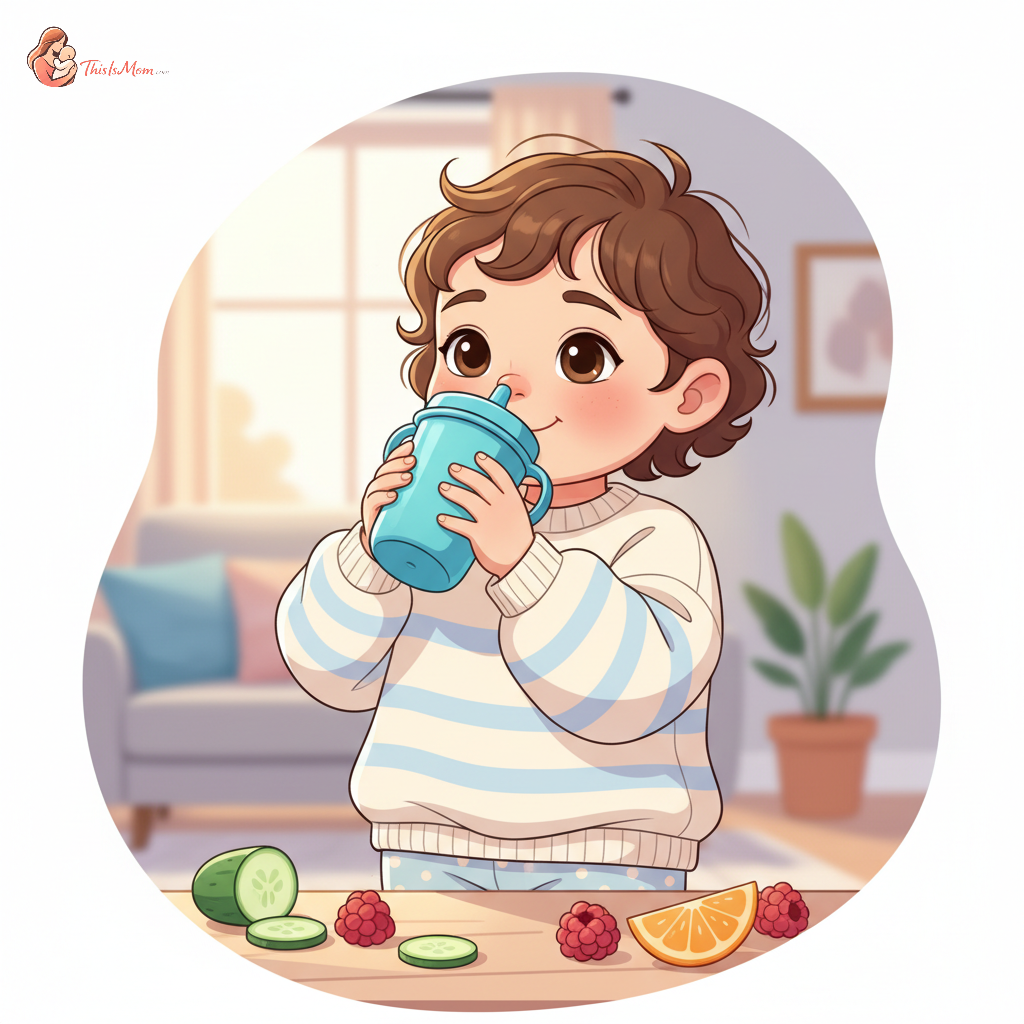
- Fun Cups and Fancy Straws: Seriously, this can make a huge difference. A cup with their favorite cartoon character, a brightly colored sippy cup, or even an unusual straw shape can transform a plain drink into an exciting experience. You might be surprised at how much they’ll drink just because it comes out of a special cup.
- Infused Water: Plain water can be a bit… plain. For a touch of flavor without the sugar, try infusing water. A few slices of cucumber, a few raspberries, or a thin slice of orange can add a subtle, natural taste that’s more appealing. It’s a fantastic way to introduce new flavors and encourage them to sip more.
- Playful Hydration: Lead by example! Let your toddler see you regularly drinking water and enjoying it. Make it a family thing. You can also turn hydration into a game. “Let’s see how much water we can drink before the timer goes off!” or have a water-drinking song. Sometimes, simply having a designated water-drinking time that’s part of the routine can help.
When Your Toddler Refuses to Drink Water: Troubleshooting
It's incredibly common for toddlers to push back. This is often a sign of preference, or sometimes, plain old power struggles. The key is to avoid making it a battleground.
- Understanding Refusal: Is your toddler truly not thirsty, or are they protesting because they know juice is an option? If they’re playing happily and not showing signs of discomfort, they might just not be that thirsty. Sometimes, waiting a bit and offering again later is more effective than insisting.
- Don't Force It: The more you push, the more they might resist. If they refuse water, don't bribe them or force them to drink. You can gently encourage, "This is our special water cup, let's take a little sip," but then let it go. In many cases, they will drink when they are truly thirsty. Remember, the goal is to build a healthy habit, not to win a single day's drinking contest. This is a good strategy when dealing with picky eaters.
- Hydration from Food: You'd be surprised how much fluid intake can come from their diet. This is another reason to offer plenty of fruits and vegetables. Watermelon, strawberries, cucumbers, oranges, and even foods like yogurt and soup contribute to their daily fluid intake. This is a brilliant strategy if your toddler won't drink enough water on its own.
Spotting the Red Flags: When to Call the Pediatrician
While these transition tips are generally for establishing healthy habits, there are times when you do need to be more concerned about your toddler’s intake. As a mom who has worried about all sorts of things, I know this is a valid concern.
- Signs of Dehydration: Look for a decrease in wet diapers (fewer than 4-6 in 24 hours is a common benchmark for toddlers), crying without tears, dry mouth, lethargy, or sunken eyes. These are pretty clear indicators that they need more fluids immediately.
- When Intake is Consistently Low: If you've tried various methods and your toddler is consistently drinking very little for more than a day or two, and especially if they are showing any of the dehydration signs, it’s always a good idea to consult their pediatrician. They can help rule out any underlying medical reasons for poor intake and offer personalized advice.
Transitioning from juice to water can feel like a significant undertaking, but it's a journey marked by small steps. In hindsight, the most impactful moments weren't about willpower, but about consistently offering good choices in a way that felt natural and appealing to my little ones. Give yourself grace, remember this phase will pass, and focus on building a foundation for healthy hydration that will serve them for years to come.