Toddler Veggies: 7 Ways to Get Them to Eat Without Hiding
Learn effective, no-pressure strategies to encourage your toddler to eat vegetables without hiding them. Foster healthy eating habits and enjoy calmer mealtimes.
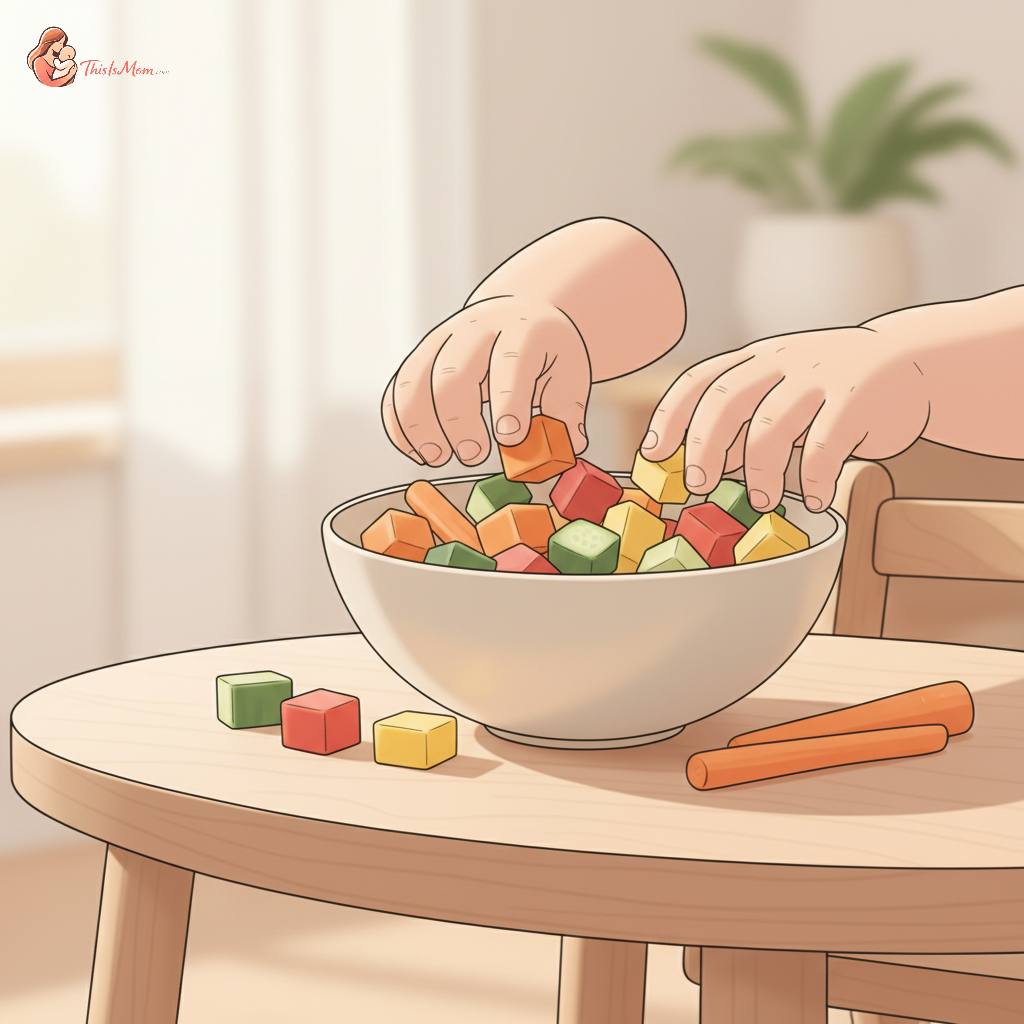
The Great Toddler Veggie Race: How to Get Your Little One to Eat Them (No Hiding Required!)
As a parent, sleepless nights wondering if your child is getting enough nutrients are common. You might find yourself painstakingly pureeing broccoli into spaghetti sauce or grating zucchini into muffins, approaching mealtime like a covert operation. Looking back, the energy poured into "hiding" vegetables can seem comical. The goal isn't stealth; it's fostering a genuine, albeit slow, acceptance. So, how to get a toddler to eat vegetables without hiding them? It’s a marathon, not a sprint, and it starts with understanding the game.
Why the Veggie Wars Begin (It’s Not as Personal as You Think)
Toddlers are navigating a world of newfound independence, and food is a prime arena for asserting their will. Their taste buds are also evolving. What was once acceptable can suddenly become… well, offensive. This developmental stage is normal. They’re exploring boundaries, and saying "no" to peas is a powerful way to do it.
There’s a difference between a picky eater and true food aversion. Your little one might be a picky eater if they have a limited range of accepted foods but still eat a variety over time. Food aversion, on the other hand, where they actively gag or refuse entire food groups, requires closer attention. Most of the time, what feels like a full-blown veggie war is just typical toddler behavior.
Setting the Foundation: The Atmosphere is Your Secret Weapon
The environment around food is often more influential than the food itself. If mealtimes are a battleground, your toddler will dig in their heels.
Involve them. Let them help wash the carrots, tear the lettuce, or even plant a small pot of cherry tomatoes. When they have a hand in the process, they’re more invested. Seeing a smile on their face when they pick a tomato they helped grow is a win in itself, even before it hits their plate.
Keep it light. Offer food, serve it with a smile, and then let it go. No cajoling, no bribing, no forcing. Pressure creates anxiety, and anxiety shuts down openness to trying new things. This is where the famous "one-bite rule" comes in – encouraging just one taste. However, if the one-bite rule causes meltdowns, let it go. Forcing a bite can create negative associations that last far longer than a single meal. When the one-bite rule turned into a power struggle, shifting to a "you don't have to eat it, but it's on your plate" approach can be effective.
Creative Introductions: Veggies They'll Actually See (and Maybe Try!)
This section focuses on ways to make the vegetables themselves more appealing rather than hiding them.
The "Deconstructed" Power: Instead of a mixed dish, serve components separately. A piece of roasted sweet potato next to a few steamed broccoli florets and some chicken. This allows them to choose what they’ll engage with and shows them the actual vegetable, not a disguised version.
Discover your baby's phase
Dipped and Delightful: Dipping is fun. Offer small amounts of hummus, plain yogurt with a sprinkle of dill, or even a mild guacamole. If they’re willing to dip a carrot stick or a cucumber slice, that’s progress.
Sensory Play with Food: Toddlers learn through play. Offering veggies in fun shapes can make them less intimidating. Use cookie cutters for cucumber slices or bell pepper strips. Colorful veggies arranged creatively on their plate can spark curiosity. This is a great way to introduce vegetables for picky eaters when they’re feeling particularly resistant.
Beyond the Plate: Making Veggies Part of the Fun
The learning about vegetables doesn't stop when the meal is over. Extracurricular veggie education can pay off in the long run.
Story Time Stars: There are many wonderful children's books that feature fruits and vegetables. Books about gardening, healthy eating, or characters who discover a love for broccoli can normalize them.
Artistic Adventures: Use vegetable stamps (cut potatoes or carrots) for painting. Create collages with leaf shapes. Engage their senses in a low-stakes, enjoyable way.
Be the Veggie Enthusiast: This is perhaps the most impactful strategy. Let your kids see you genuinely enjoying your vegetables. Talk about how delicious the spinach salad is or how satisfying crunchy bell peppers are. They will emulate what they see. If they constantly see you eating and liking vegetables, it sends a powerful message.
When to Seek an Expert (and When to Breathe Easy)
It’s natural to worry about your child’s nutrition, especially when you have a kid refusing to eat vegetables. But it's important to differentiate typical toddler fussiness from a more serious issue.
Red Flags to Watch For: If your child is losing weight, seems lethargic, has significant digestive issues, or is consistently rejecting almost all foods, schedule a visit with your pediatrician. They can help rule out underlying medical conditions and offer personalized advice.
Supplements: A Crutch or a Help? Many parents wonder about nutrient supplements. Generally, a varied diet is the best way to get nutrients. Pediatricians will often recommend supplements only if there's a diagnosed deficiency or a very restricted diet making it difficult to obtain essential vitamins. It's always best to discuss this with your doctor before starting anything.
Trust the Process (Mostly): Most toddlers don’t starve themselves. They tend to self-regulate their intake over the course of a week, not just a single day. Offer balanced meals and healthy snacks, and trust that they’ll eat when they’re hungry. This too shall pass, and your toddler’s eating habits will evolve. Give yourself grace.
It might take months, even years, for a child to truly embrace a wide variety of vegetables. Through consistent, positive exposure, involving them in the process, and keeping mealtimes low-pressure, you’re laying the groundwork for a lifetime of healthier eating habits. Focus on the long game, celebrate the small wins, and remember that what you’re doing today is building a foundation for tomorrow.