Help Your 2-Year-Old Develop Fine Motor Skills for Buttoning
Discover engaging activities and gentle guidance to help your 2-year-old develop essential fine motor skills for buttoning and dressing independence. Learn playful techniques and when to seek support.
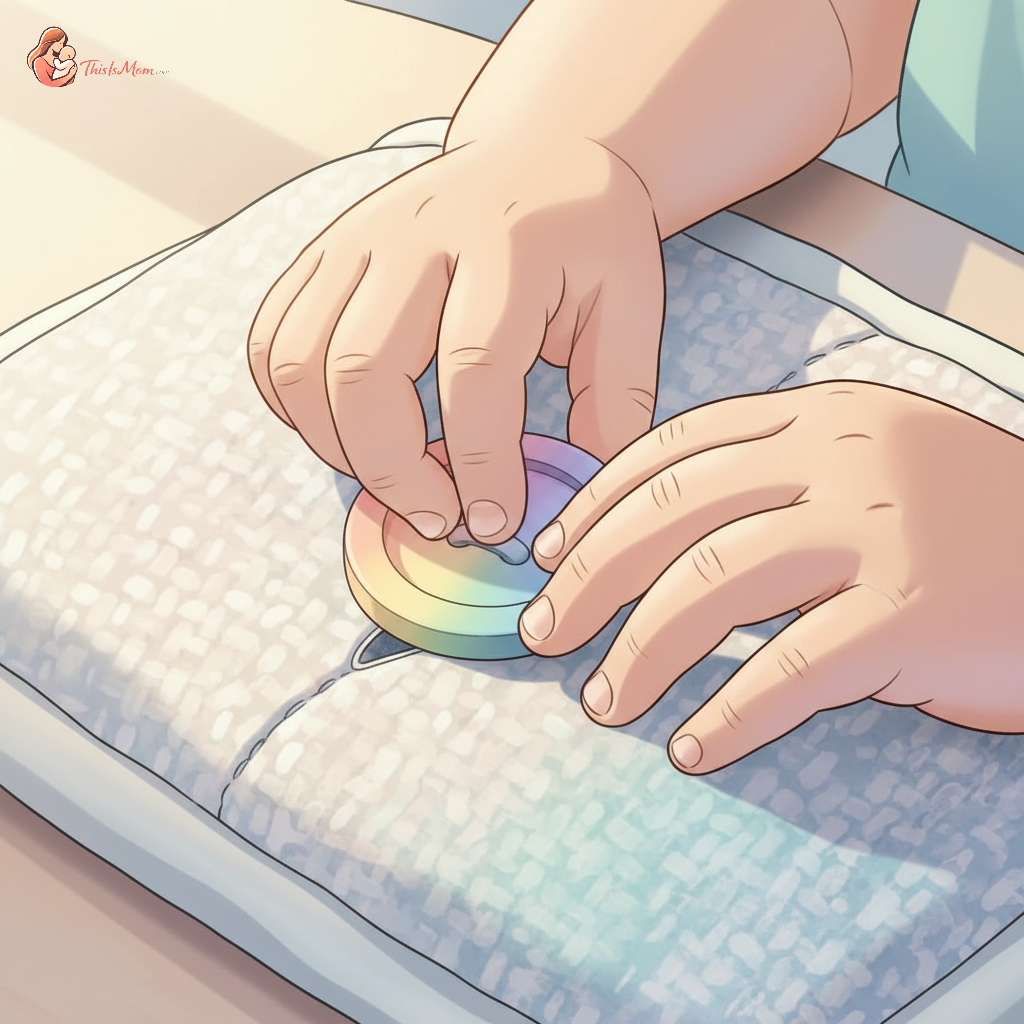
The Wonderful World of Buttons: Helping Your 2-Year-Old Develop Fine Motor Skills for Dressing
Before you whisk your little one off to their next adventure, take a quiet moment to observe them. What fascinates them? What do they reach for, repeatedly? This gentle observation is the first step in understanding how to support their development, especially when it comes to seemingly small, yet significant, milestones like mastering buttons. We're often in a hurry, but slowing down to see a child's interest and capabilities is key. Today, we'll explore how to foster the fine motor skills that will help your two-year-old gain independence in dressing.
The Magic of Small Movements: Why Fine Motor Skills Bloom in Toddlers
The ability to manipulate small objects, like buttons, might seem trivial, but it's a crucial developmental leap for a child. These skills are the bedrock for much more than just dressing; they are the silent architects of independence, allowing a toddler to participate more actively in their own care.
When a child develops strong fine motor skills, they are also building the muscles and coordination needed for future tasks. Think about holding a crayon, turning the pages of a book, or even using a fork. These all rely on the same delicate movements that buttoning requires. Furthermore, the concentration and problem-solving involved in threading a button through a hole directly support cognitive growth and prepare them for the intricate world of pre-writing. It’s a beautiful, interconnected process.
Laying the Groundwork: Activities for Budding Buttoners
Before tackling actual buttons, it’s helpful to prepare a child’s hands and minds with activities that strengthen the necessary muscles and refine coordination. These are not lessons, but rather engaging invitations to explore.
Pincer Grasp Perfection: Small Object Play
The pincer grasp – that thumb-and-finger hold – is essential for buttoning. You can cultivate this with simple, low-cost invitations using everyday objects.
- Dropping and retrieving: Offer a bowl with small items like large pom-poms, colorful beads (ensure they are too large to be a choking hazard), or even dry pasta. Provide a smaller container or a muffin tin for the child to transfer the items into. This builds precision and control.
- Tweezers or tongs: For children aged 2.5 years and up, introduce child-safe tweezers or small kitchen tongs to pick up larger pom-poms or cotton balls. This is a fantastic way to strengthen finger muscles.
- Stacking and sorting: Wooden blocks or even larger, smooth stones can be stacked, requiring careful placement. Sorting small objects into different containers also hones their ability to grasp and release with intention.
Strengthening Hand Muscles: The Joy of Squeeze and Mold
Playdough is a Montessori staple for a reason! It's incredibly versatile for developing hand strength and dexterity.
- Squeezing and rolling: Simply providing playdough, kinetic sand, or even soft clay encourages the child to squeeze, roll, and flatten. This repetitive action builds significant hand strength.
- Adding tools: Introduce child-safe scissors to cut playdough, cookie cutters to press shapes, or even a small rolling pin. These actions require controlled pressure and coordination.
- Sensory bins: Fill a bin with dried beans, rice, or even water beads, and add cups, spoons, and small bowls. The child can scoop, pour, and sift, all while engaging their hands in varied movements.
Hand-Eye Coordination: Threading and Stacking
Connecting one thing to another is a fundamental skill that many toddler fine motor activities help to develop.
- Large bead threading: Large wooden beads and thick laces are perfect for two-year-olds. This teaches them to guide one object through an opening, a direct precursor to buttoning.
- Pasta threading: Use wagon wheel pasta or other large-holed shapes with yarn or shoelaces. This is a fun, edible (if using real pasta!) alternative.
- Stacking challenges: Beyond simple blocks, offer stacking rings or cups. The child learns to gauge size and balance, refining their spatial awareness and fine motor control.
Playful Pathways to Buttoning and Zipping Mastery
Once foundational skills are developing, you can introduce more specific challenges that directly relate to dressing. The goal is always to make it an engaging and stress-free experience for the child.
Button Boards and Busy Books
These specially designed materials offer a safe and contained way for the child to practice fasteners.
- DIY Button Board: You can easily create a simple button board by sewing large buttons onto a piece of fabric or felt, with corresponding buttonholes. Ensure the buttonholes are large enough for little fingers to manage initially.
- Commercial Busy Books: Many excellent "busy books" or "quiet books" are available, featuring a variety of practical life skills, including buttoning, zipping, and snapping. These are portable and can be used at home or on the go.
Giant Buttons: Starting Big
The size of the button and buttonhole makes a significant difference. Larger is almost always better when starting.
- Oversized Buttons: Look for garments with very large buttons and correspondingly large, perhaps even slightly elasticized, buttonholes. Think of sweaters or shirts designed for toddlers, or even craft buttons that are at least an inch in diameter.
- Practice Garments: A simple tunic or apron made with large buttons can be an excellent "practice garment" that isn't a piece of clothing they need to wear, reducing pressure.
Discover your baby's phase
Zippers: From Pull to Perfection
Zippers can be more challenging than buttons initially due to the need for alignment.
- Zipper Pulls: Add a colorful ribbon or a key ring to the zipper pull. This makes it easier for the child to grasp and manipulate.
- Start with Down: Most children find it easier to zip downwards than upwards at first. Encourage them to pull the zipper down from a partially zipped position.
- Assisted Zipping: You can hold the bottom of the zipper in place while the child attempts to pull it up. Gradually reduce your assistance as they gain confidence.
- Zipper Boards: Similar to button boards, zipper panels on busy books or practice garments provide a dedicated space to work on this skill.
Making it a Game: Dressing Up Fun
Children learn best through play. Incorporating dressing practice into imaginative scenarios makes it joyful.
- Teddy Bear Tailor: Provide old clothes or scraps of fabric and let the child "dress" their stuffed animals or dolls. This allows for experimentation without the pressure of dressing themselves.
- Dress-Up Bin: A collection of old adult clothing – shirts, jackets, hats – can provide hours of fun. Encourage the child to try fastening different items, even if they need help.
- Role-Playing: Pretend you are getting ready for a special event and involve your child in "preparing" their favorite doll or teddy bear.
Gentle Guidance for Self-Dressing Success
Encouraging self-dressing is about fostering independence, not achieving perfection overnight. A supportive environment is key.
Choosing Clothes Wisely
The clothing itself can be an ally or an obstacle.
- Easy Fasteners: Opt for clothing with elastic waistbands, large buttons, or Velcro closures when introducing dressing skills. Avoid tiny buttons, complex zippers, or restrictive garments initially.
- Roomy Fits: Loose-fitting clothes are generally easier for toddlers to manage than snug garments.
- Front vs. Back: Ensure buttons and zippers are on the front of the garment, making them visible and accessible to the child.
Cultivating a Calm Routine
The dressing process should feel like a natural part of the day, not a race against the clock.
- Sufficient Time: Allow ample time for dressing, especially in the morning or before outings. Rushing can create anxiety for both you and the child.
- Predictable Sequence: Establish a consistent order for getting dressed. This predictability helps the child anticipate what comes next and reduces confusion.
- Offer Choices: Present simple choices, such as, "Would you like to wear the blue shirt or the striped shirt today?" This gives the child a sense of agency.
The Power of Encouragement
Your words and attitude have a profound impact.
- Acknowledge Effort: Praise the child’s effort and persistence, not just the successful outcome. "You tried so hard to get that button through!" is more effective than just "Good job."
- Observe and Support: Watch for moments when the child is struggling but still engaged. Offer quiet support by holding the fabric steady or gently guiding their hand, rather than taking over.
- Celebrate Small Wins: Celebrate each small success. Mastering one button, or even successfully pulling a zipper down, is a significant achievement for a two-year-old.
Understanding the Journey: When to Seek a Little Extra Insight
Every child develops at their own pace. There's a wide range of what's considered typical. However, if you have concerns about your child's fine motor development, it’s always beneficial to have a conversation with professionals.
Milestones and Expectations
Generally, by age two, many children can begin to participate in dressing by putting on simple garments like pull-on pants and large-buttoned shirts with assistance. By age three, they are often expected to manage fasteners with more independence. The American Academy of Pediatrics provides general guidelines on developmental milestones, and your pediatrician can offer personalized insights.
Recognizing When Support Might Be Helpful
If the child shows persistent difficulty with basic fine motor tasks, or if their frustration with dressing seems significantly out of proportion to their age, it might be worth exploring further.
- Limited Pincer Grasp: If the child consistently struggles to pick up small objects, even with practice.
- Avoidance of Fine Motor Tasks: If the child seems to actively avoid activities that require hand dexterity.
- Significant Delays: If the child is significantly behind their peers in developing basic self-care skills like buttoning or zipping, even with consistent practice and encouragement.