Introduce Peanuts Safely to Baby with Eczema (US Guide)
Learn how to safely introduce peanuts to your baby with eczema, according to US guidelines. Discover timing, forms, and how to recognize allergic reactions to prevent peanut allergies.
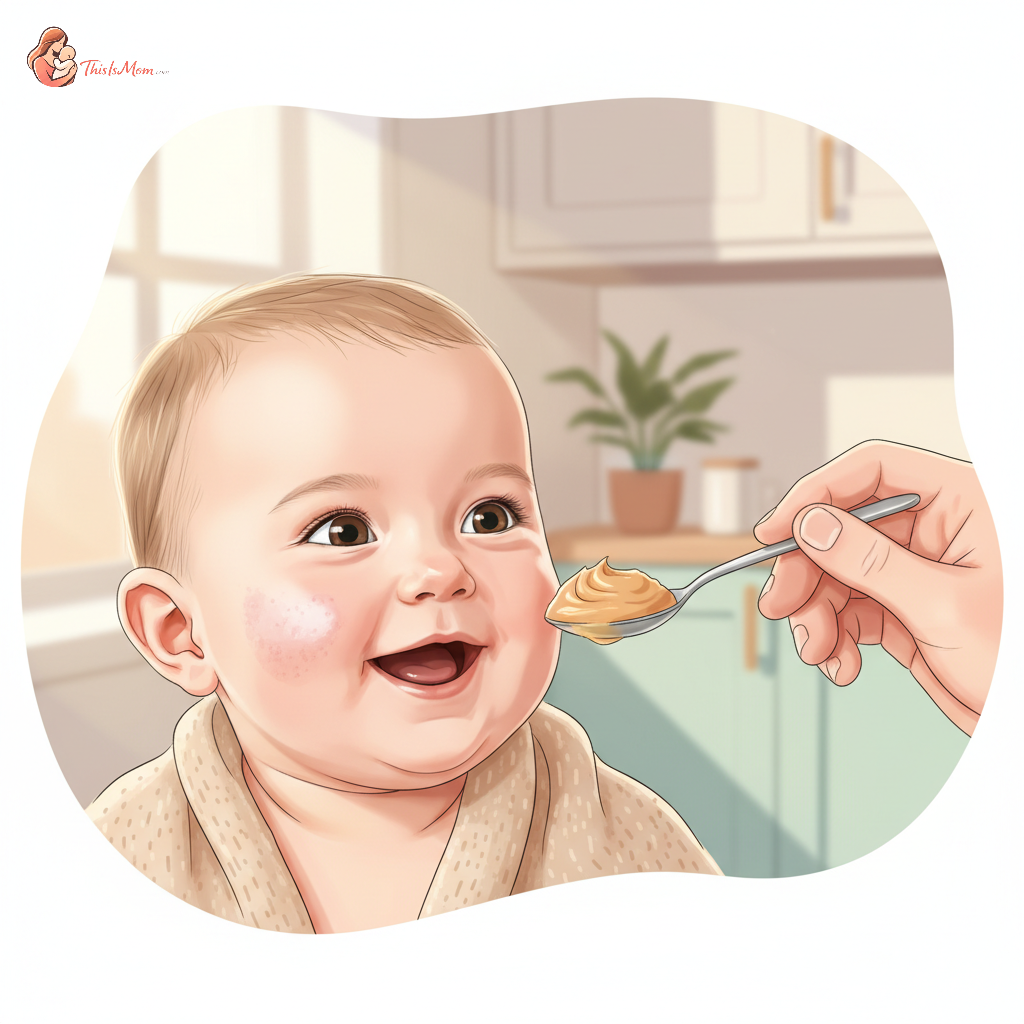
How to Introduce Peanuts Safely to Baby with Eczema
Your baby has eczema, and you’re navigating the world of introducing solids. A common question arises: how to introduce peanuts safely to baby with eczema in the US? This is a key concern for many parents, especially with evolving understanding of food allergies. The good news is that current guidelines offer clear direction, and with a careful approach, you can help reduce the risk of your baby developing a peanut allergy.
Why Early Peanut Introduction Matters (Especially with Eczema)
The landscape of infant feeding and allergy prevention has shifted significantly. What was once a recommendation to delay certain foods has been replaced by evidence supporting early introduction.
The Latest Science: Preventing Peanut Allergies
Research has demonstrated that introducing allergenic foods, like peanuts, earlier in infancy can actually help prevent the development of allergies. The prevailing theory is that the infant immune system is more tolerant during a specific window, and early exposure can train it to recognize the food as safe.
Understanding Eczema as a Risk Factor
For babies with eczema, the approach to food introduction is particularly important. The US National Institute of Allergy and Infectious Diseases (NIAID) has identified eczema as a significant risk factor for developing food allergies. This is because a compromised skin barrier, as seen in eczema, can sometimes lead to sensitization through the skin before oral introduction.
AAP and NIH Guidelines at a Glance
Both the American Academy of Pediatrics (AAP) and the National Institutes of Health (NIH) now recommend introducing peanuts around 4-6 months of age for most infants, with a specific focus on those at higher risk for allergies, including infants with moderate to severe eczema.
When to Introduce Peanuts: Timing it Right
Deciding when to introduce peanuts is a crucial first step, and it's best done in consultation with your child's doctor.
Consulting Your Pediatrician First
Before introducing any new, potentially allergenic food, always discuss it with your pediatrician. They can assess your baby's individual risk factors, review their eczema severity, and offer personalized guidance. For infants with moderate to severe eczema or those with a family history of allergies, your pediatrician might recommend specific allergy testing before the first introduction.
Assessing Readiness: Developmental Milestones
Regardless of age, your baby should be developmentally ready for solids. This means they can:
- Hold their head up steadily.
- Sit up with support.
- Show interest in food and open their mouth when food is offered.
- Have lost the tongue-thrust reflex (where they automatically push food out with their tongue).
Optimal Age Ranges for High-Risk Infants
The current guidelines suggest that for infants at high risk of peanut allergy (including those with eczema), peanut-containing foods can be introduced as early as 4-6 months of age. This introduction should occur after your pediatrician has evaluated your baby and given the go-ahead. Waiting beyond 6-12 months may actually increase the risk of developing an allergy, per the research.
The Step-by-Step Guide: How to Introduce Peanuts Safely
Once you and your pediatrician have agreed it's time, the introduction itself needs to be done carefully and methodically.
Choosing the Right Form: Peanut Butter, Powder, or Puffs?
The goal is to offer peanuts in a form that is safe for infants and easily digestible. Whole peanuts or chunky peanut butter are choking hazards and should never be given to infants.
- Peanut Butter: Use a smooth, creamy peanut butter. Thin it with a small amount of warm water, breast milk, or formula to make it easily spoonable and less sticky. A common starting point is about 1 teaspoon of thinned peanut butter.
- Peanut Powder: Many infant cereal brands offer peanut powder that can be mixed into purees or cereals. Follow the package directions for mixing.
- Peanut Puffs/Snacks: Specially formulated peanut puffs designed for infants are also available. Ensure they are soft and dissolve easily in the mouth.
Where and When to Introduce: A Safe Environment
Choose a time when your baby is healthy and not teething or sick. Introducing a new food when your baby is already unwell can make it harder to identify if any reaction is due to the new food or their existing illness.
Introduce peanuts at home, during the daytime. This allows you to monitor your baby for any potential reactions for several hours afterward. Avoid introducing it right before a nap or bedtime.
Discover your baby's phase
The 'First Taste' Protocol: Small Amounts, Careful Observation
Start with a very small amount of the prepared peanut product. For example, a tiny dab of thinned peanut butter on a spoon or a small amount of diluted peanut powder mixed into a familiar food.
Observe your baby closely for at least two hours after the first taste. Look for any signs of an allergic reaction.
Maintaining Exposure: How Often to Offer Peanuts
Once your baby has tolerated the initial small introduction without any reaction, the guidelines suggest continuing regular exposure. Offering about 2 teaspoons of peanut butter (or its equivalent) three times a week is often recommended to help maintain tolerance.
Consistency is key for prevention. Continue offering peanut-containing foods regularly as part of your baby's diverse diet.
Recognizing Reactions: What to Watch For
Being prepared to recognize the signs of an allergic reaction is essential. Reactions can range from mild to severe.
Signs of a Mild Allergic Reaction
A mild reaction might involve:
- Mild hives (red, raised bumps) appearing on the skin, potentially spreading.
- Some redness or itching around the mouth.
- Mild fussiness or a slight change in behavior.
If you notice these signs, stop offering the peanut product and contact your pediatrician for advice.
Signs of a Severe Allergic Reaction (Anaphylaxis)
A severe allergic reaction, known as anaphylaxis, is a medical emergency. Signs can include:
- Widespread hives or rash.
- Swelling of the lips, tongue, or throat.
- Difficulty breathing, wheezing, or coughing.
- Vomiting or diarrhea.
- Lethargy or a sudden drop in energy.
- Pale or bluish skin.
When to Call 911 vs. Contact Your Pediatrician
If your baby exhibits any symptoms of a severe allergic reaction, call 911 immediately. Do not hesitate.
For mild symptoms, such as a few small hives, contact your pediatrician promptly for guidance. They will advise you on the next steps.
Common Concerns and Troubleshooting
It's natural to have questions and encounter minor hurdles during this process.
What If My Baby Refuses It?
Some babies may not like the taste or texture of peanut products on the first try. Don't force it. You can try again a few days later, perhaps mixed with a food they already enjoy, like applesauce or a favorite puree. Remember to always start with a very small amount.
Managing Eczema Flares During Introduction
If your baby experiences an eczema flare-up around the time of peanut introduction, it can be confusing. If the eczema flare is mild and well-managed with your usual routine, you may proceed with caution as directed by your pediatrician. However, if the flare is severe or you are concerned, it’s best to pause the peanut introduction until the skin is calmer and discuss with your doctor.
Myths and Facts About Peanut Introduction
- Myth: Delaying peanut introduction prevents allergies. Fact: Current research suggests early introduction (4-6 months) for at-risk infants reduces allergy risk.
- Myth: If my baby has eczema, they are definitely too high-risk for early introduction. Fact: Infants with eczema are at higher risk, but early introduction under medical supervision is often recommended to prevent allergies.
- Myth: Once introduced, you never need to worry again. Fact: Regular, ongoing exposure is important for maintaining tolerance, as per the guidelines.
Navigating infant feeding, especially with conditions like eczema, can feel complex. However, by staying informed through resources like the AAP and CDC, and working closely with your pediatrician, you can confidently take these important steps towards promoting your baby’s long-term health and well-being.
This journey is about informed care, grounded in the latest understanding, and tailored to your unique child. Remember, your pediatrician is your most valuable partner in this process, offering insights specific to your baby's health and development.