Paced Bottle Feeding Breast Milk: Avoid Nipple Confusion
Learn how to pace bottle feed breast milk to support your breastfeeding journey and avoid nipple confusion. A step-by-step guide for confident feeding.
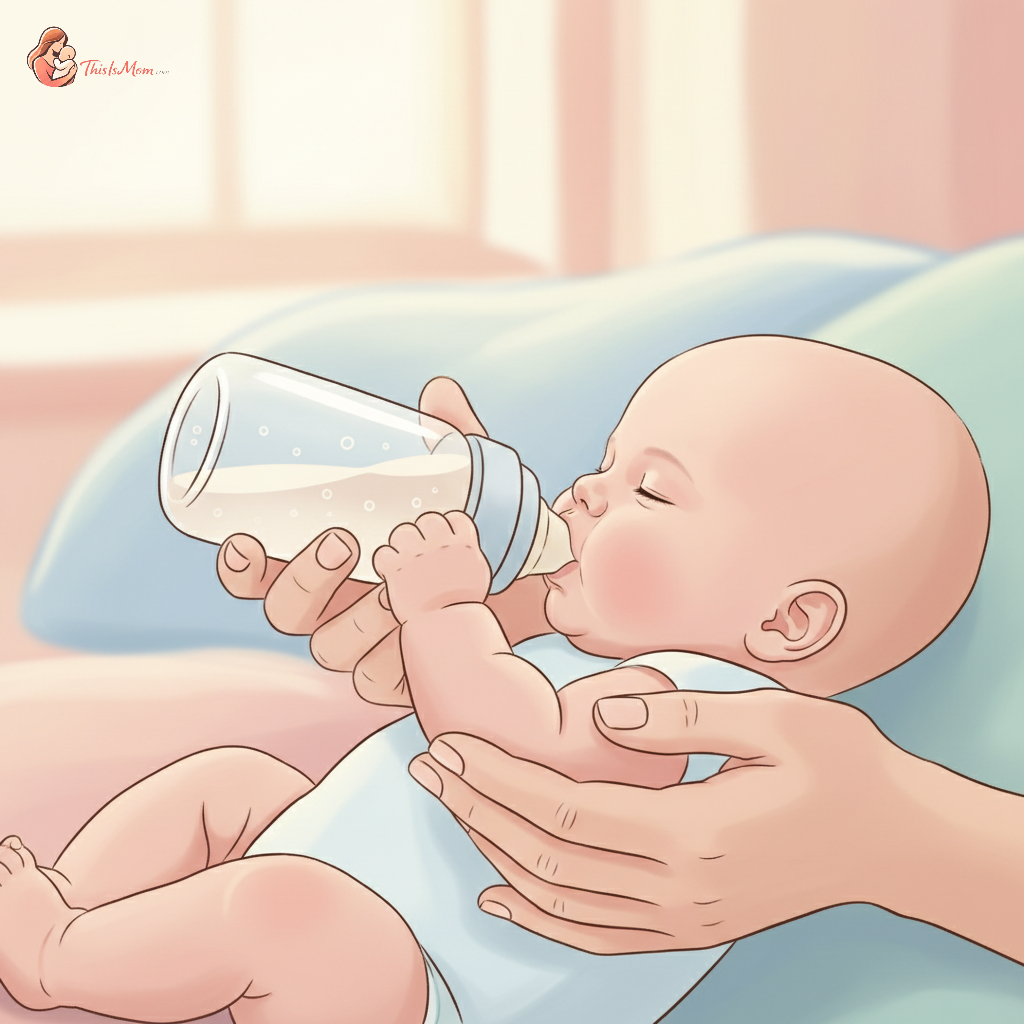
Pursed Lips, Happy Baby: How to Pace Bottle Feed Breast Milk to Avoid Nipple Confusion
It was 3:47 a.m. when I finally cracked. My nipples felt like fire, my eyes burned from lack of sleep, and the silence of the house was only broken by my baby's little snuffles. The thought of handing him a bottle of expressed milk felt like a betrayal of our breastfeeding journey. I was so sure that introducing a bottle would lead to him rejecting the breast—the dreaded "nipple confusion" I'd heard so many moms whisper about.
Honestly, the fear of nipple confusion is real. It’s a big reason why many moms hesitate to pump or introduce a bottle, even when they need to. But here’s the truth: it doesn’t have to be an either/or situation. With the right technique, you can absolutely bottle feed breast milk in a way that supports your breastfeeding relationship. This is where paced bottle feeding comes in. It’s a game-changer, and I want to share exactly how to do it.
So, What's the Big Deal About Pacing?
Our babies are born with an innate ability to breastfeed. They're built for it. The breast is dynamic; it responds to their sucking, swallowing, and cues. The milk flow isn't always a constant gush; it can be slow and steady, or it can come in waves.
When a baby latches onto the breast, they have to work for that milk. They use their tongue, jaw, and whole mouth. It's an active process.
Now, think about a traditional bottle. You tip it, and gravity does the work, right? That milk just streams out, often much faster and more consistently than it does from the breast. Babies can swallow large amounts quickly, sometimes gulping and getting a lot of air.
This is where the "flow preference" idea comes in. It's not really confusion, per se. It's more like a baby realizing, "Hey, this bottle thing is way easier!" Why work hard for milk at the breast when this plastic thing delivers it effortlessly?
Paced bottle feeding mimics the way a baby nurses at the breast. It gives them control. They can set the pace, take breaks, and swallow comfortably. This helps prevent them from developing a strong preference for the faster flow of a bottle, which is what often leads to difficulties when returning to the breast.
The benefits go beyond just avoiding nipple confusion. When you bottle feed your breastfed baby using the paced method, you're teaching them to eat responsively. They learn to recognize their fullness cues and signal when they're done, rather than just powering through until the bottle is empty. This can also be incredibly helpful for babies who tend to overeat or have reflux, as it slows down their intake and makes feeding more comfortable.
Your Step-by-Step Guide to Giving That Bottle with Confidence
Okay, deep breaths. You've got this. Introducing a bottle doesn't have to be a battle. It's about approaching it mindfully, with the right tools and techniques.
The Bottle & Nipple Situation
This is crucial. You don’t want a nipple that’s going to flood your baby.
- Go slow-flow, always. Look for nipples labeled "slow-flow" or "newborn." Even if your baby is a few months old, a slow-flow nipple is ideal for paced feeding.
- Consider bottle shapes. Some bottles are designed to mimic the natural shape of the breast or offer a slightly different nipple shape. Brands like Comotomo, Nanobebe, or Philips Avent Natural have nipples that work well for this. The goal is a nipple your baby can compress and control with their tongue.
Finding Your Feeding Zen: The Paced Position
Forget the reclined baby being spoon-fed. For paced feeding, we aim for a more upright position.
Discover your baby's phase
- Hold your baby semi-upright. Think of holding them similarly to how you would when breastfeeding, at about a 45-degree angle or even more upright.
- Support their head and neck. Make sure they’re comfortable and their chin isn’t pressed into their chest, which can make swallowing harder. This position allows gravity to assist, but not dominate, the milk flow.
The Nitty-Gritty: How to Actually Do It
Now for the technique. It’s all about working with your baby.
- Wake them up gently. Don't offer the bottle when they're ravenously hungry. A slightly drowsy but alert baby is ideal.
- Tickle their lips. Hold the bottle nipple just at their lips. Let them cue you to take it. They’ll likely show interest by opening their mouth.
- Let them latch. Once their mouth is open wide, gently guide the nipple in.
- Keep it horizontal. This is the golden rule. Hold the bottle more horizontally than vertically. This allows the milk to flow only when they actively suck, not just when gravity pushes it out.
- Pause often. This is where pacing really shines. Every few sucks or swallows, gently pull the bottle down and away from their mouth, breaking the seal. They can take a breath, swallow, and then signal if they want more. You're matching their natural rhythm.
- Watch for cues. If they pull away, turn their head, or get fussy, they're likely full or overwhelmed. Stop. Respect their signals.
Signs Your Little One is Nailing It (and So Are You!)
How do you know it’s working? You’ll see it.
- Baby is actively sucking and swallowing, but not gulping.
- They’re pausing naturally, not looking overwhelmed.
- They aren’t sputtering or coughing.
- They signal when they’re full, rather than drinking until the bottle is empty.
- You’re not rushing through the feed. Paced feeding is slower, and that’s a good thing.
Dodging the Potholes: Common Paced Feeding Pitfalls
Even with the best intentions, it’s easy to stumble. Here are a few traps to watch out for.
- The "Full Bottle" Trap: You might feel pressured to finish the whole bottle. Resist this. Babies are not programmed to finish a specific amount. Their needs change day by day. Focus on their cues, not just the volume.
- The "Clock Watching" Error: Paced feeding isn't about speed. It's about responsiveness. Don't worry if a feeding takes longer than a traditional bottle feed. That's the point!
- Bottle Angle Mania: Forgetting to keep that bottle horizontal is a quick way to revert to old habits. Gravity will win if you let it. Keep it tilted, not upright.
- Forcing the Issue: If your baby is clearly not interested, fussy, or refusing the bottle, don't force them. Take a break and try again later. Sometimes, a different caregiver offering the bottle can help too.
If your baby consistently struggles with bottle feeding, seems to have trouble coordinating sucking and swallowing, or if you’re seeing signs of significant nipple preference that is impacting breastfeeding, it’s always a good idea to consult with a lactation consultant. They can offer personalized advice and support.
Making Peace Between Breast and Bottle: Tips for Combo-Feeding Parents
Is it possible to bottle feed without causing nipple confusion and keep your breastfeeding journey strong? The short answer is yes! You’re already on the right track by learning about paced feeding.
Here are some ways to make the transition smoother and maintain balance:
- Keep breastfeeding as your primary method. Offer the breast first whenever possible. This ensures your baby continues to practice that latch and gets the benefits of direct breastfeeding.
- Limit bottle use initially. If you’re just starting to introduce a bottle, try to do it only once a day or a few times a week. This minimizes the chances of your baby developing a strong preference for the bottle.
- Have someone else offer the bottle. Sometimes, babies associate Mom with the breast, and they might be more receptive to a bottle from a partner, grandparent, or trusted caregiver.
- Don't rush the amount. As mentioned, focus on feeding responsively. If your baby takes less than you expected from a bottle, that’s okay. They’re getting the rest they need from the breast.
- When can you typically stop paced bottle feeding? Once your baby is successfully latching and feeding well at the breast, and you no longer need to offer bottles regularly (perhaps only for occasional caregiver feeds), you might be able to transition back to a slightly faster nipple flow if desired, and if your baby isn’t showing a strong preference. Many moms continue using paced feeding because it works well for their baby. There’s no strict age limit; it's about your baby's comfort and how consistently they're breastfeeding.
- Recognizing and addressing nipple confusion if it happens: If your baby starts to refuse the breast, seems frustrated at the breast, or is taking less milk from you, it could be a sign. The first step is to stop or drastically reduce bottle use, and commit to paced feeding for any bottles you do offer. Increase skin-to-skin time and offer the breast more frequently. A lactation consultant is your best friend here for personalized strategies.
The truth is, becoming a parent is a constant learning curve. No one has all the answers, and we all adjust as we go. Offering a bottle doesn't mean you're failing at breastfeeding. It means you're adapting to your baby’s needs and balancing your own life.
You’re doing an amazing job navigating all of this. Remember, you’re not alone in this messy, beautiful, exhausting journey. Keep going, mama. You’ve got this.