Decline Hospital Visitors After Birth: 5 Gentle Scripts
Learn how to politely decline visitors after birth at the hospital with gentle scripts, boundary-setting tips, and why it's vital for recovery and bonding.
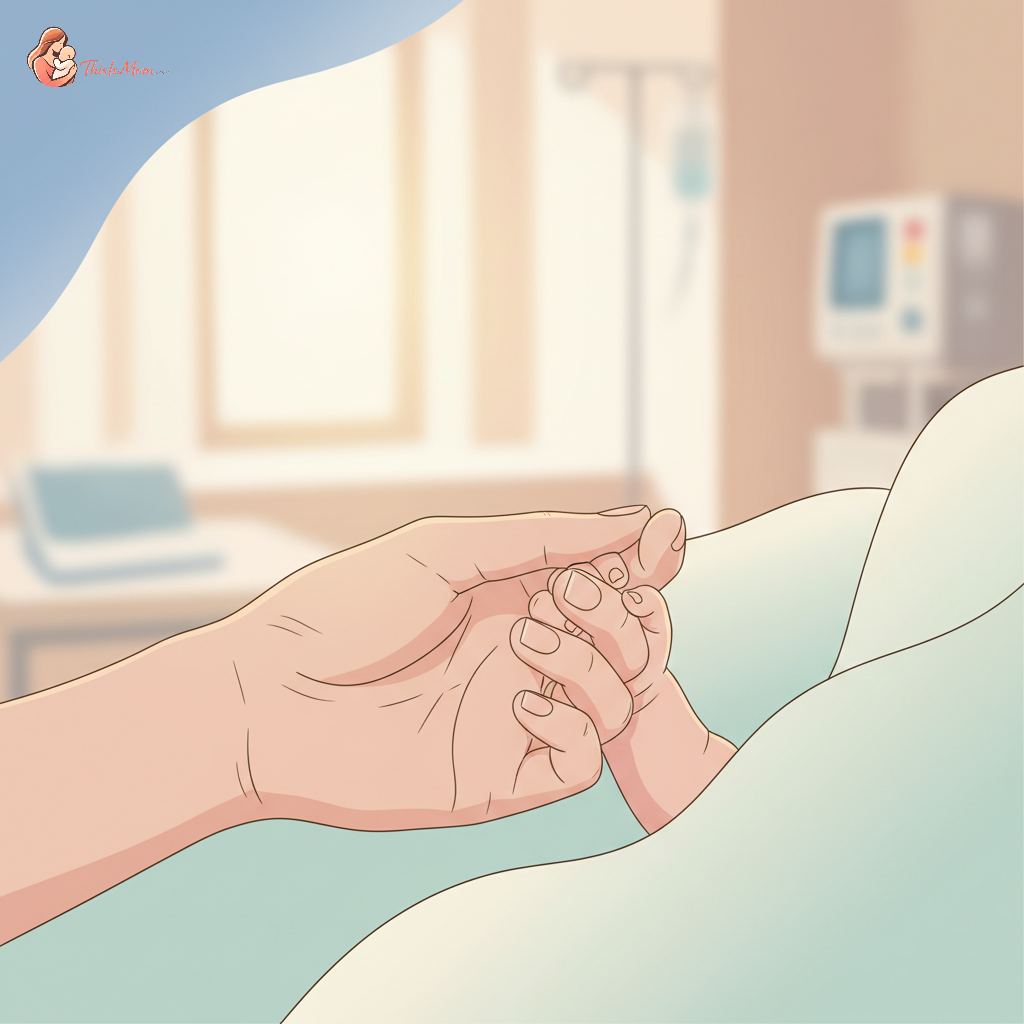
Your Post-Birth Sanctuary: How to Politely Decline Hospital Visitors After Birth
It was 2:00 a.m. when Noah finally went down for his longest stretch of sleep yet, around maybe two hours. I was sprawled on the couch, too tired to move, the lingering smell of hospital disinfectant clinging to my clothes. My phone, buzzing with texts from well-meaning friends and family asking, "When can we visit?" felt like a lead weight. And I realized, with a bone-deep weariness, that I hadn't even thought about how I was going to manage visitors once we got home. Real talk: figuring out how to politely decline visitors after birth at the hospital felt as daunting as labor itself.
Honestly, nobody really prepares you for this part. We spend so much time focused on the birth plan, the nursery, and the logistics of a newborn. But the aftermath? The hazy, miraculous, utterly exhausting days? That's where the real boundary-setting happens. And it's so, so important.
Your Newborn Bubble: Why Saying No Is Totally Okay (And Even Necessary)
Look, the truth is, those first days and weeks are sacred. They're not just about recovery; they're about connection.
Your recovery and bonding time are paramount. Your body has just gone through something monumental. It needs rest, healing, and space to adjust. This isn't selfish; it's essential for your physical and emotional well-being.
Protecting your newborn's health is another big one. A brand new baby has zero immunity. The fewer people they're exposed to initially, the better. It's about keeping that tiny, perfect human safe from germs.
And then there's your energy. Labor is an endurance event. You've pushed, you've been poked and prodded, you've experienced sleep deprivation on a whole new level. Your energy reserves will be EMPTY. Visitors, even the kindest ones, require energy. You need that energy for yourself and for your baby.
Before Baby Arrives: Setting the Stage for Quiet
The best way to handle visitors is to do some prep work before the baby makes their grand debut. It takes the pressure off when you're already in the thick of it.
Communicate your wishes early to family and friends. This means talking to your partner about what feels right for both of you and then sharing that with your nearest and dearest. Let them know that you're planning on a quiet initial period for bonding and recovery.
Crafting a clear and gentle announcement can be incredibly helpful. Think of it as a blanket statement for everyone. Something like: "We're so excited to welcome our little one! We'll be keeping our visitors to immediate family for the first week or two as we settle in. We'll share photos soon and look forward to introducing our baby when we're feeling up to it."
Enlisting a 'gatekeeper' support person is pure gold. This could be your partner, a trusted friend, or a family member who is good at saying no for you. They can field calls and texts and gently redirect people who show up unannounced.
Scripts for Those "We Need Some Space" Moments
Discover your baby's phase
When the time comes, and people are asking, having a few go-to phrases can make all the difference. These are designed to be soft but firm, allowing you to protect your peace without causing major offense.
- “We’re soaking up this newborn bubble right now. It’s so special, and we just want to cherish these first few days with just the three of us. We’ll reach out when we’re ready for visitors!”
- "The doctor's orders are for lots of quiet time and rest for both mom and baby. We're really focusing on getting settled and recovering, so we'll have to save visits for a little later."
- "We’re so excited to introduce our little one, but we’re going to keep things super low-key for the first couple of weeks. We’ll let you know when we're ready for visitors at home and can plan a time that works for everyone."
This approach allows you to control the narrative and the timing of introductions.
Navigating Drop-Ins and Guilt Trips
Even with clear communication, you might still encounter unexpected arrivals or people who push back a little.
For the 'pop-in' visitor who arrives at your door after delivery: A simple, "Oh, hi! So glad you stopped by. We're just in the middle of [nursing/nap time/not feeling up to visitors], but we'd love to see you soon. Can we schedule a time for next week?" works wonders. You can hand them a snack for the road if you're really feeling generous.
Managing well-meaning but persistent family can be tricky. Sometimes, a direct but kind conversation is needed. "Mom, I love you and I know you're excited, but I really need this time to ourselves. It's crucial for my recovery and for bonding with the baby. We will call you when we're ready for you to visit."
Releasing the guilt is a necessary step. Your feelings are valid. You are recovering from childbirth and adjusting to a huge life change. Prioritizing your well-being and your baby’s isn't selfish; it's responsible. You are not failing as a new parent if you need quiet space. The truth is, most moms feel this way.
After the Hospital: Smoother Sailing with Visitors
Once you're home, the rules for visitors after baby is born in hospital start to transition into home visit etiquette. Remember, you're still in charge.
Can I refuse visitors after birth? Absolutely. You have the right to control who enters your home and when, especially in these early, vulnerable weeks. It's your sanctuary.
Setting boundaries for home visits is key. Consider a "newborn no visitors for 6 weeks" policy or a more gradual approach. The hospital visitor policy new baby is just the starting point; your own home is your domain.
- Timing is everything: Wait until you feel physically and emotionally ready. This might be a week, it might be a month. There’s no right or wrong answer.
- Short and sweet: For initial visits, keep them brief. An hour is plenty.
- Ask for help: If visitors offer to help, make them useful! Ask them to do laundry, make a meal, or watch the baby while you shower.
- Schedule it: This is crucial. Avoid spontaneous drop-ins by having everyone schedule their visit in advance. It gives you time to prepare mentally and physically.
The roles of good communication and grace are your best tools. Be clear about your needs, but also be forgiving of those who might not fully understand. Most people just want to share in your joy, and they’ll respect your boundaries if they’re communicated kindly.
Remember, you are the expert on your own needs and your baby's needs. This is your journey, and setting boundaries is one of the most powerful acts of self-care and new parenthood you can undertake. Breathe deep, trust your instincts, and create the peaceful postpartum experience you deserve.