Prepare Pets for Baby: 12 Tips for smooth homecoming
Bringing home a new baby? Learn how to prepare pets for a smooth transition with our 12 essential tips, from scent introductions to managing new routines.
So, You're Bringing Home a Baby? Let's Talk About Your Furrier Loves.
It was 3 a.m. and the only sounds in our Brooklyn apartment were Noah’s soft snores from the bassinet and the distant hum of the city. I was scrolling through my phone, a familiar ritual, and stumbled upon a picture of our cat, Jasper, curled up with Noah’s tiny baby socks. It hit me then, a wave of quiet panic mixed with overwhelming love: how do we make sure Jasper, our beloved feline overlord, feels just as welcome and safe as our new baby? I had no idea where to start on how to prepare pets for a new baby arriving home from the hospital.
We’re talking about our fur babies here, the ones who were our first little dependents. They’ve had our undivided attention, our laps, our entire existence for years. Now, a tiny human is about to rock their world. It’s a huge shift for them, and honestly, it’s a huge shift for us too.
What Your Pet Is Actually Thinking (Probably)
From their perspective, this is bizarre. Suddenly, there are weird noises, strange smells, and… is that a new chew toy that doesn’t squeak? We need to be their interpreters and their guides through this whole wild experience.
They don't understand maternity leave, or the fact that we're all going to be completely sleep-deprived. They just know their world is changing, and they’re looking to us for reassurance. Setting realistic expectations is key. Your dog might not immediately bond with your baby, and your cat might hide for a week. That’s okay. It’s a process, not a race.
Let's Get This Show On The Road (Weeks Before Baby)
This is where you become a sneaky strategist. The goal here is to introduce everything baby-related slowly, so it’s not a shock when the real deal arrives.
A Symphony of New Sounds
Your house is about to get a lot noisier. Think whimpers, cries (oh, the cries!), and the gentle hum of a baby monitor. Start playing recordings of baby sounds. There are apps for this, or even YouTube videos. Do it at a low volume initially, during times your pet is otherwise relaxed, like during their meal times or when they’re just chilling. You want them to associate these new noises with calm, not chaos.
Sensory Overload, But Make It Chill
Babies have a distinct smell, and our homes will soon too. Lay out baby lotions, powders, and even a clean diaper. Let your pets sniff them when you’re around and they’re calm. It’s a subtle way to desensitize pets to baby smells, making them less novel and alarming when the actual baby is around.
New Items, New Rules
That bassinet? The changing table? The bouncer? They’re all new furniture to your pets, and they might see them as potential nap spots or scratching posts.
Start by putting these items in their usual spots well before the baby arrives. Don’t let your pets sleep on them, or climb on them. Gently redirect them. If you plan on having pet-free zones for the baby, start enforcing those boundaries now. This reduces confusion later.
Practice Makes Perfect (With a Tiny Human Stand-In)
Okay, this might sound silly, but hear me out. A baby doll is your best friend in this phase.
The Art of Holding and Interacting
Get a baby doll and practice holding it, rocking it, and even pretending to feed it. Practice this while your pet is present. Hold the doll in a way that might mimic holding a baby, but keep your pet interactions normal. Give them pets, praise, and treats. The aim is to show them that your new focus isn't a reason to worry.
Stroller Walks and Car Seat Rides
Discover your baby's phase
If you have a dog, take them on walks with an empty stroller. They’ll get used to seeing it and walking alongside it. If you have a cat, you can put the doll in a car seat and have your pet observe it from a distance. The key is to make these new objects part of their normal environment.
Managing Excitement and Reinforcing Calm
When your pet shows curiosity towards the doll or baby gear, reward calm behavior. If they approach calmly, offer a gentle pet or a quiet word of praise. If they get too excited or pushy, simply redirect them without fuss. This helps them learn that being calm around these new things is the way to get positive attention.
The Hospital & First Introduction: Showtime!
This is arguably the most critical stage. You've done the prep, now for the main event.
The Scent Blanket Strategy
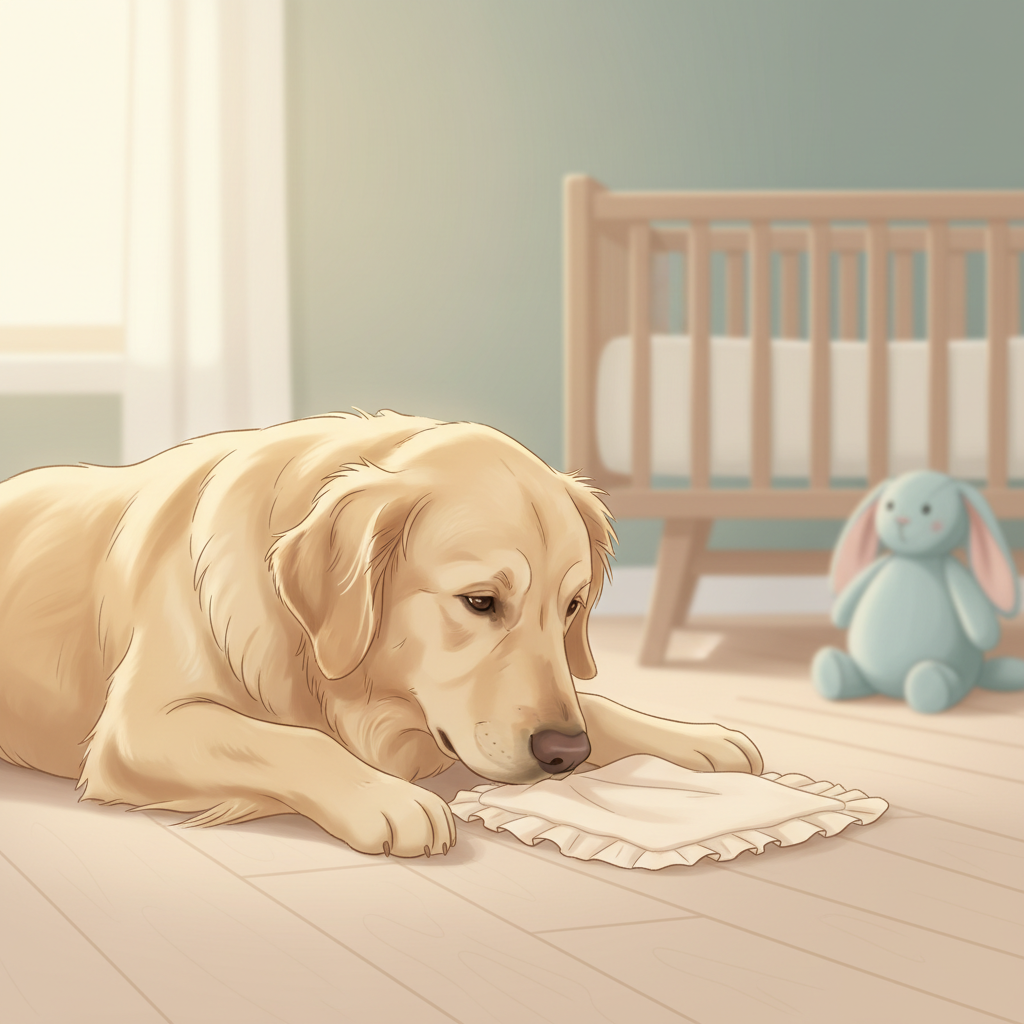
Before you even walk through the door, ask someone to bring home a blanket or an item of clothing that has the baby’s scent on it from the hospital. Let your pet sniff it. This serves as a pre-introduction, giving them a familiar scent to associate with the new arrival before the overwhelming sensory experience of meeting them face-to-face.
The Calm Homecoming
When you arrive home, it’s best if one person takes the baby upstairs to settle them, while the other greets the pet. Give your pet plenty of attention and love. Let them settle into your presence again before you introduce them to the baby. When you do bring the baby down, keep it low-key. Avoid making a huge fuss over the pet immediately.
Supervised Interactions: Safety First, Always
Your first introductions should be supervised. Have your dog on a leash, and keep your cat in the room only if they seem curious and relaxed. Let your pet approach the baby on their own terms. Keep interactions short and positive. Never leave a baby unattended with a pet, no matter how trustworthy you think your pet is. Safety is paramount.
Life with Baby and Pets: Ongoing Harmony
This isn't a one-and-done situation. It's an ongoing effort.
Maintaining Your Pet’s Routine and Attention
The truth is, your pet will likely get less attention initially. They can’t help but notice the shift. Try to carve out even just 10-15 minutes a day for one-on-one time with your pet. Stick to their feeding schedule as much as possible. A consistent routine helps them feel secure.
Creating Pet-Free Zones
For your baby's safety and hygiene, it's wise to designate some areas as pet-free. This could be the nursery, or the area around the baby’s changing station. Make sure your pet understands these boundaries and doesn't try to sneak into these spaces.
When to Call for Professional Help
Sometimes, despite your best efforts, your pet's behavior might change in ways that concern you. Increased anxiety, aggression, or soiling outside the litter box can be signs they're struggling to adapt. Don't hesitate to reach out to a certified professional pet behaviorist. They can offer personalized strategies to help your pet navigate this new family dynamic.