7 Ways to Reduce Daycare Germs During Flu Season
Protect your child from daycare germs during flu season. Learn expert tips on flu shots, handwashing, immunity, and when to keep kids home to minimize illness.
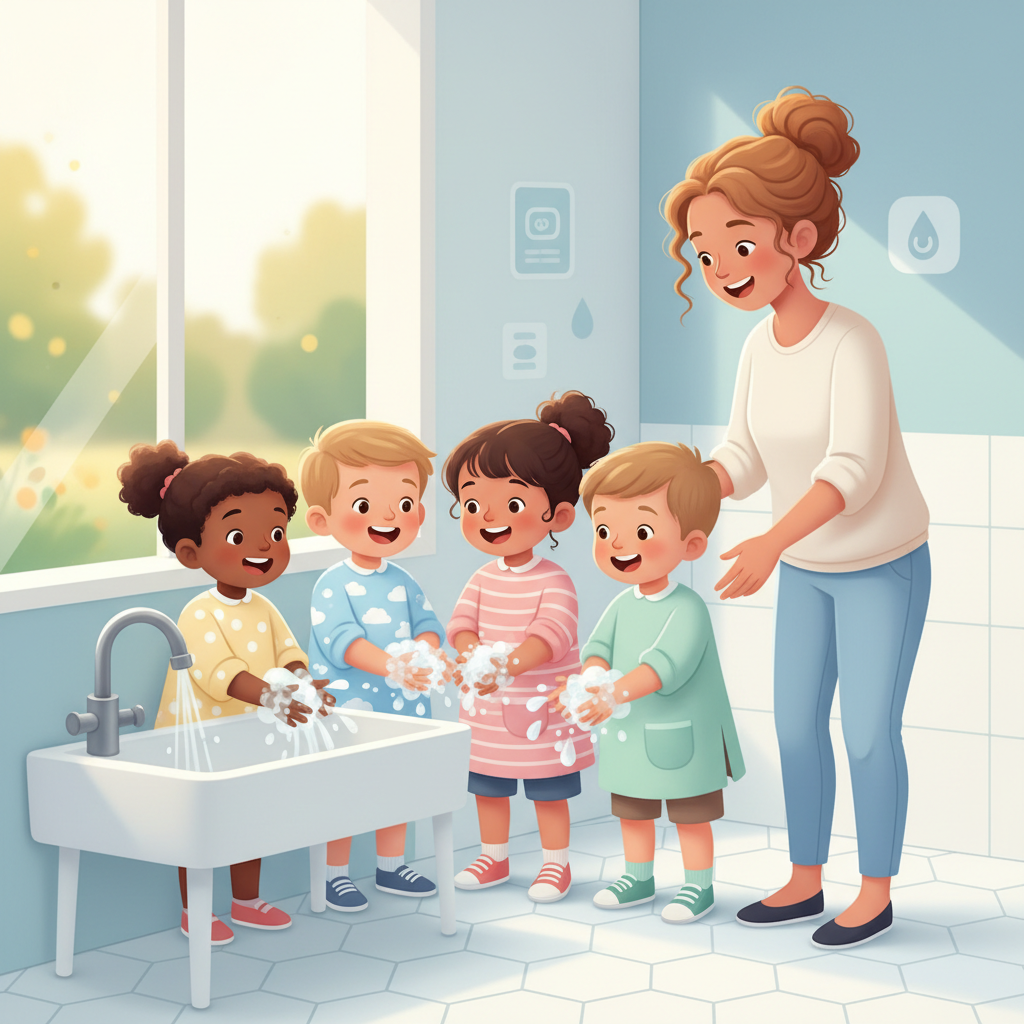
Taming the Germs: Your Family's Guide to Reducing Daycare Illness During Flu Season
Your child’s first sniffle after starting daycare is almost a rite of passage. But when flu season descends, those everyday sniffles can escalate. Understanding how to reduce daycare germs during flu season in the US is key to keeping your little ones – and your household – healthier. Daycare environments, by their very nature, are rich ecosystems for germs, and flu season amplifies the challenge.
The good news? A proactive, evidence-based approach can significantly minimize risk. Let's break down what the guidelines say and actionable strategies to navigate flu season with your daycare-bound child.
The Nature of the Beast: Daycare Germs in Flu Season
Daycare centers bring together many young children in close proximity for extended periods. This creates an ideal environment for viruses and bacteria to spread easily. Little ones are still developing their immune systems and often have less developed hygiene habits, making them more susceptible.
Flu season, typically peaking from late fall through early spring in the United States, adds a significant layer of concern. Influenza viruses are highly contagious, and their spread is particularly rapid in settings like daycares. While many illnesses circulate year-round, the flu poses a more severe threat due to its potential for serious complications.
Common Myths vs. Facts About Germs:
- Myth: "My child will get sick anyway, it's just part of growing up."
- Fact: While exposure is inevitable, the frequency and severity of illness can be significantly reduced through preventative measures.
- Myth: "Only sick kids spread germs."
- Fact: Individuals can spread germs, including the flu, before they even show symptoms, or even if they have very mild symptoms. This is why consistent prevention is crucial.
- Myth: "Hand sanitizer kills all germs."
- Fact: Hand sanitizer is effective against many germs, but not all. Thorough handwashing with soap and water is generally considered the gold standard for removing a broad range of pathogens, including the flu virus. The CDC emphasizes this.
Building Your Defense: Strategies for Home and Away
A robust strategy involves layers of protection, starting with the most impactful public health recommendations.
The Flu Shot: Your First Line of Defense
The American Academy of Pediatrics (AAP) strongly recommends annual flu vaccination for all individuals six months of age and older. This is the single most effective way to protect against the flu. For daycare-aged children, vaccination not only protects them but also helps create a safer environment for everyone in the daycare community.
The flu shot helps your child's body develop antibodies (proteins that fight infection) against the specific influenza strains expected to be circulating that season. It significantly reduces the risk of getting the flu, and if your child does get sick, it can make the illness less severe and decrease the chance of serious complications.
Mastering Hand Hygiene: A Universal Rule
Frequent and proper handwashing is paramount in preventing the spread of germs. The CDC offers clear guidance: wash hands with soap and running water for at least 20 seconds. This means singing "Happy Birthday" twice or another favorite tune of appropriate length.
Key hand hygiene practices to teach and model:
- Before eating: Wash hands before preparing food or eating.
- After using the toilet: Always a critical time for handwashing.
- After sneezing, coughing, or blowing their nose: Germs spread easily via respiratory droplets.
- After playing outside: Hands can pick up many pathogens outdoors.
- After touching frequently handled surfaces: Doorknobs, toys, and shared equipment.
For situations where soap and water aren't readily available, an alcohol-based hand sanitizer with at least 60% alcohol can be used, though it's not a substitute for washing hands when they are visibly dirty.
Nurturing Immunity: Nutrition and Sleep
A well-nourished and well-rested child has a stronger immune system, better equipped to fight off infections.
- Nutrition: Encourage a diet rich in fruits, vegetables, whole grains, and lean proteins. These provide essential vitamins and minerals that support immune function. While no single food can "boost" immunity overnight, a consistent healthy diet is foundational. For a 7-month-old, explore baby-led weaning and iron-rich finger foods. For first birthdays, ensure low-sugar fortified cereals are on the menu.
- Sleep: Adequate sleep is crucial for immune health. For toddlers and preschoolers, aim for 10-13 hours of sleep per 24-hour period, including naps, as recommended by the American Academy of Sleep Medicine. A tired child is more vulnerable to illness. Issues like 4-month sleep regression or 9-month sleep regression can impact a child's overall well-being, and finding solutions is important. If your baby only sleeps in a carrier or stroller, transitioning them to a crib is key for consistent rest.
Knowing When to Stay Home: Making the Right Call
A tough but essential part of daycare germ prevention is understanding when your child needs to be kept home. This protects your child's health and prevents spreading illness to others.
The CDC provides general guidelines for when children should stay home from school or daycare due to illness:
- Fever: A temperature of 100.4°F (38°C) or higher, particularly if accompanied by other symptoms. For infants under 3 months, any fever warrants an immediate call to the pediatrician.
- Vomiting or Diarrhea: Two or more episodes in a 24-hour period, or if the child is unable to keep down fluids. If your baby is gagging on formula, this is also a reason for concern.
- Rash: An unexplained rash, especially if accompanied by fever.
- Severe Cough or Sore Throat: Interfering with sleep or eating.
- Difficulty Breathing: Any signs of respiratory distress.
- Lethargy or Unresponsiveness: If your child is unusually sleepy or difficult to wake.
Keeping your child home when they are sick is an act of community care, an important aspect of daycare cold and flu prevention.
Partnering with Your Childcare Provider
A strong partnership between parents and daycare providers is vital for maintaining a healthy environment.
Open Communication Channels
Start by understanding your daycare’s health policies. Ask about their procedures for handling sick children, their communication methods for notifying parents about outbreaks, and their general approach to illness prevention. This is especially important if your toddler hits other kids at daycare, as open communication can help address behavioral issues.
Discover your baby's phase
Inquiring About Cleaning Protocols
Don't hesitate to ask about their cleaning and disinfection practices. The CDC recommends regular cleaning and disinfection of frequently touched surfaces, toys, and equipment. Knowing their routine can provide peace of mind and highlight areas where you can reinforce good habits at home.
Advocating for a Vaccinated Community
Encourage your daycare to promote flu vaccination among staff and families, if they haven't already. A higher vaccination rate within the daycare community offers a stronger shield for everyone. This is a key strategy for flu season tips for parents daycare.
Beyond the Basics: Everyday Germ Reduction
While handwashing and vaccination are critical, several other practical tips contribute to keeping kids healthy at daycare.
Smart Clothing Choices
Consider dressing your child in layers that are easy to remove if they become too warm, which can sometimes mimic the feeling of a fever and lead to unnecessary worry. Avoid overly complex clothing that makes frequent bathroom trips difficult, as this can also increase the risk of accidents.
Managing Personal Items
Establish clear rules for personal items:
- Water Bottles: Ensure your child has their own labeled water bottle and is encouraged to use only theirs.
- Nap Mats/Blankets: If your daycare allows personal nap items, ensure they are regularly laundered at home.
- Toys: Many daycares limit toys from home to prevent the spread of germs. Clarify the policy and adhere to it.
Home Habits for Less Germ Transfer
When your child comes home, make these habits part of your routine:
- Immediate Handwashing: Have kids wash hands as soon as they walk in the door.
- Outfit Change: Consider changing out of daycare clothes into something comfortable at home.
- Toy Disinfection: Regularly wash or disinfect toys that are frequently handled.
When Germs Inevitably Strike
Despite all precautions, your child may still get sick. Knowing what to look for and when to seek help is crucial.
Recognizing Flu Symptoms
Symptoms of the flu in children can include:
- Fever or feeling feverish/chills (not all children with flu will have a fever)
- Cough
- Sore throat
- Runny or stuffy nose
- Muscle or body aches
- Headache
- Fatigue (tiredness)
- Vomiting and diarrhea (more common in children than adults)
It's important to note that other illnesses, like the common cold, can share some of these symptoms.
When to Contact Your Pediatrician
The AAP and CDC advise contacting your pediatrician if you are concerned about your child’s symptoms, especially if they are under two years old or have underlying health conditions.
Call your pediatrician promptly if your child:
- Has a high fever that doesn’t respond to fever reducers.
- Shows signs of dehydration (e.g., reduced urination, dry mouth, no tears).
- Experiences difficulty breathing.
- Is extremely drowsy or difficult to wake.
- Has symptoms that worsen or don't improve after a few days.
- Has a known chronic health condition that could be exacerbated by the flu.
Your pediatrician can assess your child, provide specific advice, and determine if antiviral medications might be beneficial. If you are concerned about your child's development, remember that pediatric physical therapy can help with toe walking or other developmental concerns.
Supporting Recovery and Preventing Spread at Home
Once a diagnosis is made or suspected, focus on comfort and preventing further transmission.
- Rest: Encourage plenty of rest.
- Fluids: Offer abundant fluids to prevent dehydration.
- Fever Reducers: Use acetaminophen or ibuprofen as directed by your pediatrician for fever and discomfort.
- Hygiene: Reinforce handwashing for all family members.
- Isolation: Keep your sick child away from other children in the household as much as possible.
- Disinfection: Clean frequently touched surfaces and any shared items.
Navigating flu season and the germ-filled world of daycare requires vigilance and informed choices. By embracing the guidance from public health experts and implementing these practical strategies, you can build a strong defense for your family. Remember, consistency is key, and every effort to reduce germ spread creates a healthier environment for all.