Donate Breast Milk: A Guide to US Milk Banks
Learn how to safely donate excess breast milk to a US milk bank. Discover eligibility, the donation process, and why your 'liquid gold' is vital for fragile babies.
How to Safely Donate Excess Breast Milk to a US Milk Bank
It was 2 AM. The house was silent except for Noah’s soft snores and the hum of the fridge. My breasts felt full, a familiar, uncomfortable sensation that meant it was time to pump again. I’d already filled two bottles, and Noah was fast asleep. This is where the thought first hit me: what if all this extra milk could do more than just sit in my freezer? What if it could help another tiny human?
Real talk – if you’re like me, you’ve probably looked at your stash of pumped milk and wondered about donating it. It’s a lot of work, that "liquid gold." All those hours spent pumping, washing bottles, and freezing. The truth is, there are so many incredible reasons to consider the breast milk donation process, and it’s easier than you might think to find out how to safely donate excess breast milk to a US milk bank.
Why Your 'Liquid Gold' Matters So Much
Let’s talk about who this milk is really for. Primarily, it goes to premature and sick babies who can’t get enough milk from their own mothers. These little fighters are in NICUs, often facing serious health challenges. For them, donor milk isn't just a supplement; it can be a life-saving necessity, providing crucial nutrients and antibodies when their own mothers cannot.
Think about it: a baby born months too early, struggling to survive. Your perfectly good breast milk could be the difference between a healthy recovery and a prolonged struggle. It’s a powerful thought, and it’s why so many moms choose to pay it forward.
Many of us decide to donate for a mix of reasons. Some, like me, simply end up with more milk than our babies need. Others might have gone through a difficult birth or a period of illness and want to contribute positively. Sometimes, it’s simply a way to feel connected to the larger mom community and contribute to a cause that feels deeply important.
And look, it's totally okay to feel emotional about this. You’ve nurtured this milk, it’s come from your body. Deciding to share it can bring up many feelings – pride, generosity, maybe even a little bit of sadness about letting go of something so personal. All of that is valid.
The First Step: Are You an Eligible Donor?
Before you start gathering bottles and labeling them, there’s a crucial step: making sure you meet the breast milk bank requirements in the US. Safety is paramount for these vulnerable babies, so the screening process is thorough.
Generally, you’ll need to be in good health. This means being free from certain medical conditions like HIV, HTLV, Hepatitis B and C, and syphilis. If you’re taking certain medications, it might also affect your eligibility. It's important to be completely transparent about your health history, any medications you're taking (even over-the-counter ones), and your lifestyle. You can learn more about HSA qualified expenses for pregnancy and childbirth which can sometimes cover medical necessities.
You’ll likely fill out a detailed health history questionnaire. This is where you’ll be asked about everything from your diet and alcohol consumption to any recent travel or tattoos. It might feel a bit intrusive, but remember, it’s all about protecting the recipient baby.
After the questionnaire, most milk banks require a blood test to screen for certain viruses. This might sound like a lot, but it’s all standard procedure and designed to ensure the milk is as safe as possible. Honesty is the best policy here; the milk bank staff are there to guide you through it.
Navigating the Donation Process: A Step-by-Step Guide
Once you’ve determined you’re eligible, you’re ready to dive into the breast milk donation process. It's a pretty straightforward journey, and most milk banks aim to make it as easy as possible for busy moms.
Discover your baby's phase
The first practical step is finding a milk bank. The most recognized and trusted organizations are affiliated with the Human Milk Banking Association of North America (HMBANA). A quick online search for "HMBANA milk banks" will give you a list of accredited facilities across the US. It’s worth checking out their specific websites, as some have slightly different procedures or logistical options.
Once you’ve chosen a milk bank, you’ll start the registration and initial screening. This usually involves submitting your completed health history questionnaire and potentially scheduling your blood draw. You might have a brief phone or video call with a milk bank coordinator to go over everything and answer any questions you have.
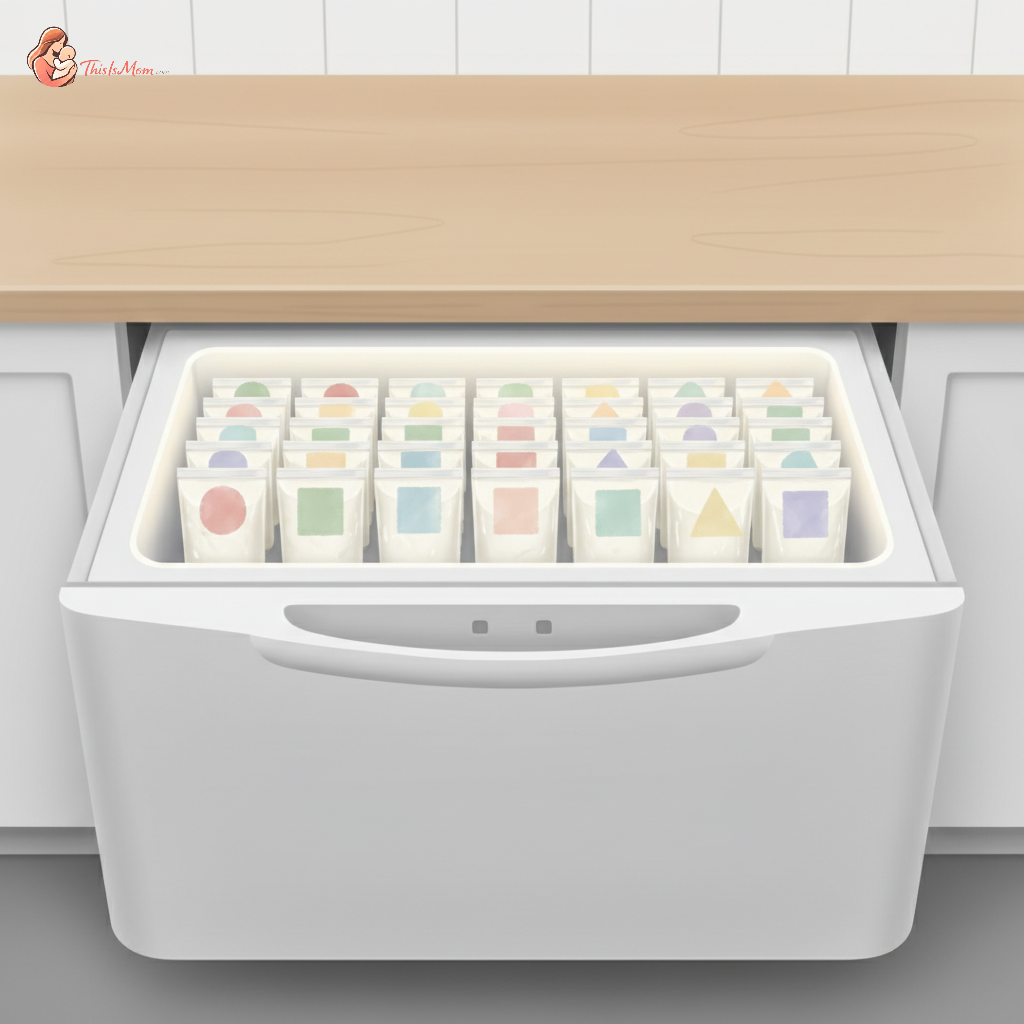
Now, for the actual milk collection and safe storage. This is probably the part you're already a pro at! The milk bank will provide you with specific guidelines for how to store your milk. They’ll often provide special sterile containers or bags for your donations. It’s crucial to follow their instructions regarding how to pump, label, and freeze your milk. Typically, milk should be frozen as soon as possible after pumping and stored in a deep freezer to maintain its quality.
The final step is getting your precious cargo to the milk bank. Depending on your location and the milk bank’s operations, you might be able to drop it off directly at a donation site or a designated drop-off location. Some milk banks also offer courier services or scheduled pickups, especially if you have a significant amount to donate. They'll guide you through the best option for your situation.
Beyond the Basics: Frequently Asked Questions & Practical Tips
I remember having a million questions swirling around my head when I first considered donating. It's completely normal to wonder about the nitty-gritty details.
- How much milk do I need to donate? There’s usually no strict minimum amount to start. Many milk banks are happy to receive any amount you can comfortably provide. They’ll work with you to figure out how to get your milk to them, whether it’s a small initial donation or a larger ongoing supply.
- Does it cost money to donate? No! The milk bank usually provides you with all the necessary collection and storage supplies, and they cover the costs associated with screening and transportation. Your generosity is entirely free.
- What if I'm pumping for my own baby too? This is a common scenario! You are absolutely still eligible. The milk bank understands that your primary commitment is to your own child. You’ll be encouraged to only donate milk that is truly in excess of your baby’s needs. If your baby is having issues with formula, exploring options like the best formula for reflux and constipation might be necessary.
- Tips for maximizing milk supply for donation: If you're looking to pump a bit extra, consistency is key. Pumping shortly after your baby nurses can signal your body to make more. Staying hydrated and eating a balanced diet also helps. And honestly, sometimes just the intention of donating can give you that little extra boost!
The Emotional Reward: Making a Difference, One Drop at a Time
There’s a quiet satisfaction that comes from donating your breast milk. It’s knowing that a part of you, your nurturing, your body’s incredible ability, is directly helping another family during a vulnerable time. You become part of a chain of kindness and support that ripples far beyond your own home.
The moms who donate are truly unsung heroes. You're already doing the monumental work of raising a tiny human, and then you choose to extend that care to others. It’s an act of profound empathy and strength. You’re not just donating milk; you’re donating hope and health.
If you're considering donating or have already donated, know that you're making an incredible difference. You're giving some of the most fragile babies in our communities a fighting chance. You are seen, and you are appreciated more than words can say.
If you want to learn more or find a milk bank near you, you can visit the HMBANA website or search for local hospital NICUs that might have donor milk programs. Every single drop you share is a gift.