How to Safely Introduce Peanuts to Babies with Eczema
Learn how to safely introduce peanuts to your baby with eczema using AAP guidelines. Discover timing, preparation, and step-by-step introduction for allergy prevention.
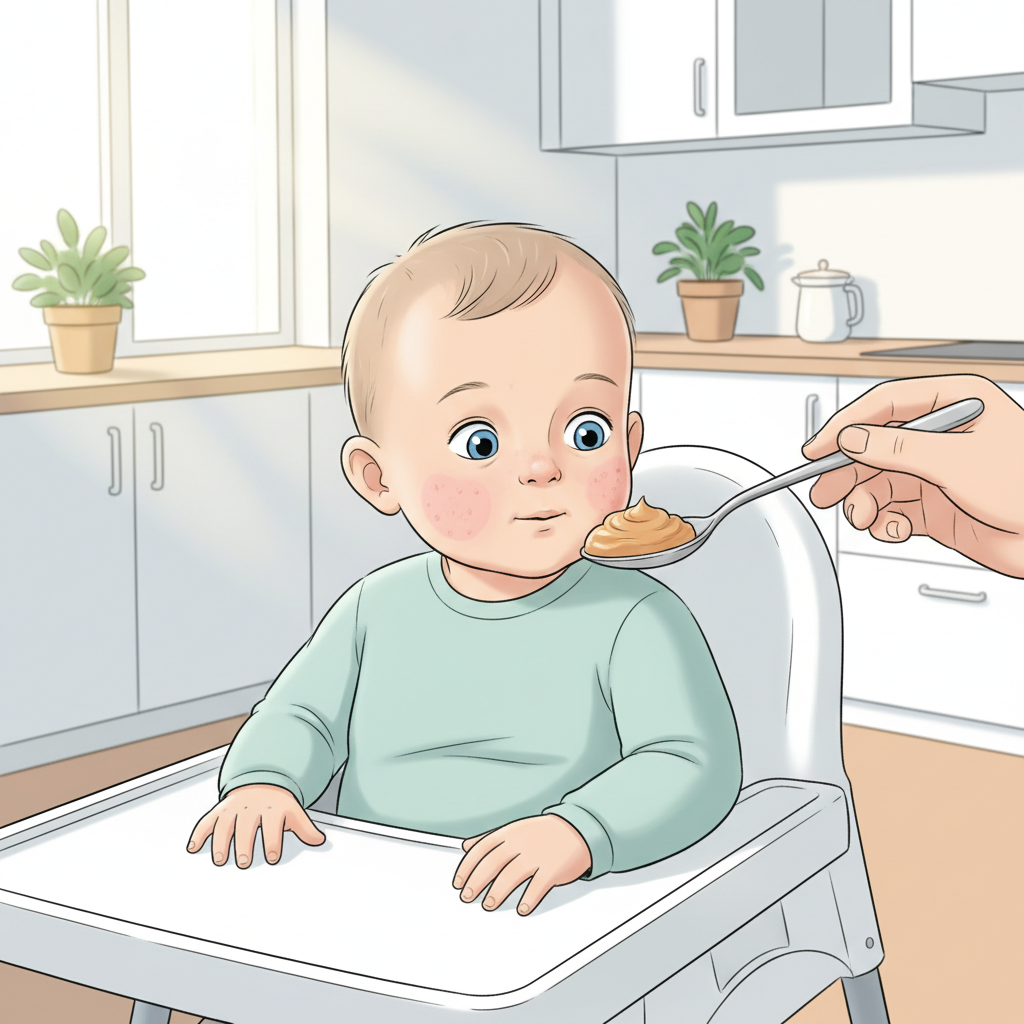
Introducing Peanuts to Babies with Eczema: A Safe Home Guide
If your baby has eczema and you're considering introducing solids, especially peanuts, it's natural to have concerns. Many parents wonder how to introduce peanuts to a baby with eczema safely at home, given the potential link between eczema and peanut allergies. Fortunately, current guidelines from organizations like the American Academy of Pediatrics (AAP) offer clear, evidence-based steps.
Understanding the Eczema and Allergy Connection
Research indicates a connection between eczema and food allergies, including peanut allergy. This risk may be higher for infants with moderate to severe eczema. One theory suggests that a compromised skin barrier in eczema might allow allergens to enter the body through the skin, potentially leading to sensitization.
Current scientific understanding, supported by research and allergen introduction guidelines, suggests that introducing potential allergens like peanuts early and in a controlled manner can actually help prevent allergies. This approach differs from older advice that recommended delaying common allergens, as it aims to help the immune system build tolerance by becoming familiar with these foods.
When to Introduce Peanuts: Timing is Crucial
The AAP recommends introducing solids, including potential allergens, between 4 and 6 months of age for most babies. However, for infants with moderate to severe eczema, it's vital to discuss peanut introduction with your pediatrician before starting solids.
Your pediatrician can assess your baby's specific risk factors and eczema severity, offering personalized guidance. They might suggest allergy testing before introducing peanuts or recommend a particular approach to ensure you feel confident.
Preparing for Safe Peanut Introduction
Once you have a plan with your pediatrician, careful preparation is key. The safest forms of peanut for babies are smooth, age-appropriate peanut butters or peanut powders mixed into other foods. Never give whole peanuts or chunky peanut butter to infants due to the choking risk.
Preparation Steps:
- Peanut Butter: Opt for smooth, natural peanut butter (ideally ingredients: peanuts, salt). Stir thoroughly to ensure a smooth, easily dissolvable consistency.
- Peanut Powder: Specialized infant formulas often contain peanut powder. Mix this with breast milk, formula, or a familiar pureed food.
- Timing: Choose a time when your baby is healthy and you have a few hours for observation. Avoid introducing new foods when your baby is ill or tired.
- Setting: Begin the introduction at home for easy monitoring and quick access to necessary supplies.
It's best to introduce a new allergen in the morning to allow for full-day observation of potential reactions.
Discover your baby's phase
The Step-by-Step Introduction Process
Introduce peanuts gradually, starting with small amounts and observing closely.
- Start Small: Mix a very small amount of the peanut product (e.g., 1/4 teaspoon of smooth peanut butter) into a food your baby has already tolerated, like pureed fruit or vegetables.
- Offer a Taste: Give your baby only a small taste, not a full serving, to gauge their initial reaction.
- Observe Closely: Monitor your baby for at least two hours after consumption for any signs of an allergic reaction.
Recognize Reaction Signs:
- Skin: Hives, rash, redness, or swelling (especially around the mouth/face).
- Digestive: Vomiting, diarrhea, or abdominal pain.
- Respiratory: Wheezing, coughing, shortness of breath.
- Behavioral: Unusual fussiness, lethargy, or discomfort.
Action for Reactions: If you notice any of these symptoms, stop offering the peanut product. For mild reactions like localized hives, contact your pediatrician. For severe symptoms (difficulty breathing, significant swelling, lethargy), seek immediate medical attention by calling 911 or going to the nearest emergency room.
Continuing Peanut Consumption and Next Steps
If your baby tolerates the initial introduction, continue offering peanut products regularly (several times a week) to build tolerance and reduce allergy risk.
After successfully introducing peanuts, you can introduce other common allergens one at a time, using the same gradual introduction and observation methods. This helps identify specific food triggers.
Further allergy testing may be recommended by your pediatrician, especially if a reaction was suspected or if your baby has severe eczema or other risk factors. An allergist can perform more definitive tests.
Introducing allergens to a baby with eczema can feel daunting. However, by following AAP guidelines and working closely with your pediatrician, you can introduce peanuts safely and confidently, supporting your child's health and potentially lowering their risk of developing food allergies.
Always consult your pediatrician for personalized advice regarding your child's specific health history and any concerns about introducing foods.