How to Gently Wean Toddler Off TV for Background Noise Comfort
Learn how to gradually transition your toddler away from using TV as background noise comfort. Discover strategies for introducing new soundscapes and routines.
The Hum of Comfort: How to Wean a Toddler Off TV for Background Noise, Gently
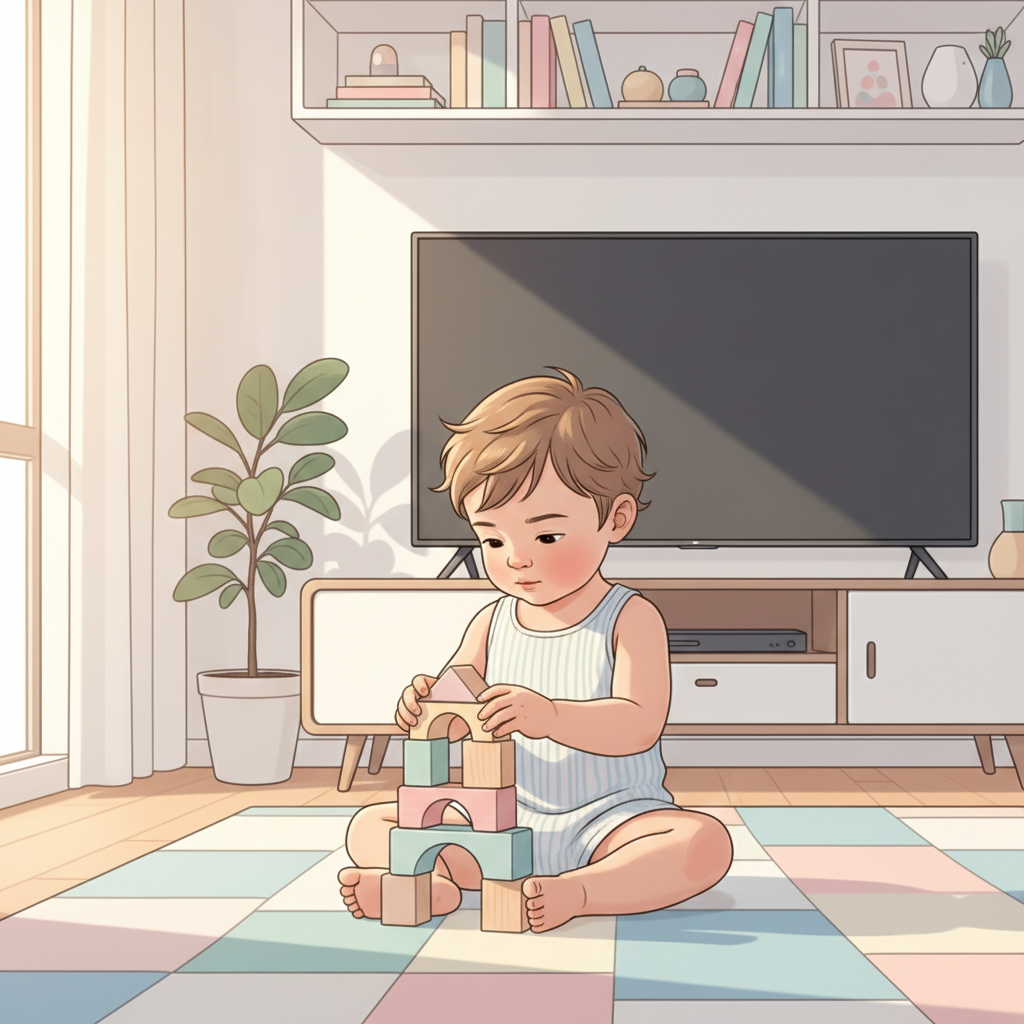
It was 7:15 AM, and the familiar blue light was already casting its glow across Noah's playroom. Not that he was actively watching, mind you. He was building towers with blocks, occasionally glancing at the cartoon characters flitting across the screen. But the TV's steady hum, the cheerful, repetitive jingles – that was the soundtrack to his mornings, his afternoons, his quiet time. And honestly? It was starting to feel like my soundtrack too. I’d always wondered how to wean a toddler off TV for background noise comfort, and I was realizing I was deep in the trenches.
The truth is, for a long time, that background babble was a lifeline. A tiny bit of predictable chaos that kept a little peace in my own spinning world. But lately, I've been feeling that nudge, that quiet mom-guilt that whispers, "Is this what we really want?"
Why This Constant Cartoon Choir?
You guys, it’s so understandable why our little ones latch onto this. For them, the screen isn't just images; it's a rich, sensory experience. The bright colors, the rapid-fire sounds, even the consistent volume can be incredibly soothing.
Think about it. Toddlers are navigating a world that’s still pretty overwhelming. Everything is new, unpredictable, and often confusing. The constant familiarity of a favorite show, even when they aren't really paying attention, offers a sense of comfort in its predictability. They know what’s coming next, sound-wise. It’s a constant, reliable presence in their ever-changing lives.
Is This "Addiction" or Just a Cozy Blanket?
The word "addiction" feels really heavy, doesn't it? And I wrestled with it. Was Noah addicted, or was he just using TV as a really effective security blanket? For most toddlers whose primary use of TV is for background noise comfort, it’s more habit and reliance than a true addiction we need to panic about.
It’s about differentiating. Is your child demanding specific shows to watch intensely, or are they just playing contentedly with the TV on, the sounds an ambient part of their environment? If it's the latter, it's likely a comfort mechanism.
However, if you're noticing significant distress when the TV is off, if it's the only way they can regulate or settle, or if it's impacting their engagement with their surroundings, it might be time to chat with a pediatrician or a child development specialist. They can help assess if there are other underlying factors at play.
Taking Small Steps to Shush the Screen
The good news is, we can gently do this. It's not about ripping the remote out of their hands and bracing for impact (though trust me, I've considered it). It’s about a gradual, loving transition.
Gradual Reduction: The Slow Fade
This is my favorite strategy for reducing toddler screen time gently. Instead of turning it off completely, start by lowering the volume. Let the sounds become a little less dominant.
- Shrink the Screen Time: If the TV is on for hours, start by designating specific, shorter periods it's allowed. Maybe just mornings, or just during meal prep.
- Volume Down: Over a few days, incrementally lower the volume. Make it so it’s just a whisper, not a broadcast.
- "Off" Breaks: Introduce short periods where the TV is simply off. Maybe 15 minutes here and there, and gradually increase the duration.
Introducing Alternative Soundscapes
This is where the magic happens. You're not just taking something away; you're replacing it with something new and equally (or more!) comforting.
Discover your baby's phase
- Sound Library: Start a collection of sounds and music that are calming. More on this in a sec!
- Audio First: At first, you might even need to play those sounds at a similar volume to the TV. Then, slowly, over weeks, you can bring those down too.
Creating New Comfort Routines
The hum of the TV often filled a space that a routine could actually occupy. Think about when the TV is usually on. What else could be happening then?
- Morning Soundtrack: Instead of waking to cartoons, try a gentle music playlist or a quiet audiobook.
- Playtime Ambiance: Can that TV hum be replaced by the sounds of you reading a story, or singing songs together?
Finding Their New Favorite Sound
This is the fun part, honestly. Discovering what new auditory comfort your little one will love. There's a whole world of sounds beyond the cartoon jingle!
- The Magic of White Noise Machines: These aren't just for babies to sleep! Many toddlers find the consistent, steady hum of a white noise machine incredibly calming for playtime or quiet moments. There are tons of options, from simple fans to machines with various sound settings.
- Calming Music and Nature Sounds: Curate a playlist of lullabies, classical music, or ambient nature sounds. Think gentle rain, ocean waves, or birds chirping. The toddler sensory soothing sounds are endless.
- Kid-Friendly Podcasts and Audiobooks: As they get a little older (or even now!), the world of audio stories is amazing. There are fantastic podcasts designed for preschoolers, with gentle voices, engaging stories, and often subtle background music. Audiobooks of their favorite picture books can also be a huge hit.
Here’s a little list of what we started incorporating:
- Soothing music playlists: Think acoustic folk, instrumental pieces, or specially curated "calm down" mixes.
- Nature soundscapes: The gentle patter of rain, the whoosh of ocean waves, the quiet chirping of crickets.
- Story podcasts: Many are designed for young children, with soft narration and simple plots.
- Guided meditations for kids: Yes, they exist! Short, simple ones about breathing or feeling calm.
- Simply your voice: Reading stories aloud or singing songs replaces the need for external sounds.
When the Tears Flow: Managing Tantrums
Let’s be real. There will be resistance. When you start taking away a comfort, even a background one, there will be tantrums. It’s okay. It’s normal.
- Validate Their Feelings: Get down on their level. Acknowledge their frustration. "I see you're feeling upset that the TV is off. It's okay to feel sad/mad."
- Offer Sensory Alternatives: Immediately offer the new comfort. "Instead of the TV, let's listen to the ocean waves sound. Or would you like to read this book with me?" Have those alternative sounds ready to go.
- Consistency is Key: This is the hardest part. Stick with it. If you give in because the crying is too much, you’re teaching them that crying is how they get the TV back. Hold the line, but with empathy.
Building New, Happy Habits
The goal isn't just to remove something; it's to build something richer in its place. This is about focusing on connection, not just quiet.
- Screen-Free Enrichment Activities: Make other activities so appealing that the TV becomes less of a default. Think sensory bins, art projects, building forts, simple puzzles, playing outside, or even just chasing each other around the living room.
- Interactive Play: Get on the floor with them. Engage their senses in ways that don't involve a screen. Even if it's just for 10-15 minutes at first, your focused attention is a powerful antidote to passive screen time.
This transition takes patience, grace, and a whole lot of deep breaths. There will be days you feel like you're back at square one. But remember, you are teaching your child valuable skills in self-regulation and discovering new ways to find comfort and connection. You're not failing; you're just in the beautiful, messy work of helping your child grow.
And hey, maybe you’ll even discover some new favorite sounds for yourself along the way.