IKEA Crib to Toddler Bed Conversion Kits (US)
Find the best IKEA crib to toddler bed conversion kit for US models. Learn about official vs. third-party options, safety tips, and smooth transition strategies.
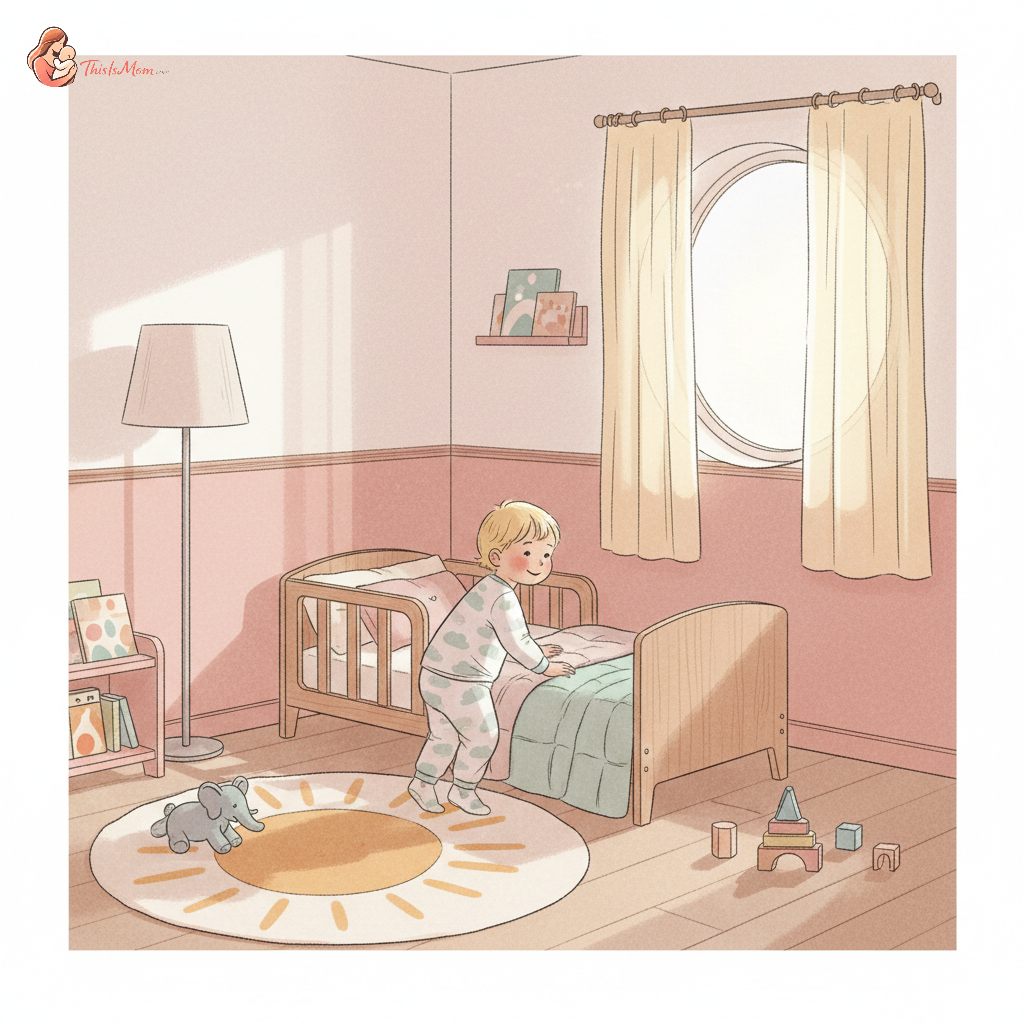
The Ultimate Guide to IKEA Crib to Toddler Bed Conversion Kits (US)
Converting your IKEA crib to a toddler bed is a significant step for your child's independence and safety. In just five minutes, this guide will clarify which toddler bed conversion kit for IKEA crib US models are right for your family and how to make the switch safely. Having navigated this process as a parent, I understand the common challenges and aim to cut through the confusion.
Why Make the Switch to a Toddler Bed?
As your little one grows, their crib transforms from a safe haven into a potential climbing challenge. Transitioning to a toddler bed is a natural rite of passage.
- Independence: Toddler beds empower children with the freedom to get in and out of bed on their own, fostering developing autonomy.
- Safety: Active toddlers often attempt to climb out of cribs, risking falls. A low-profile toddler bed eliminates this hazard.
- Comfort: A larger sleep surface offers more room to move and grow, potentially leading to improved sleep quality for everyone.
Understanding IKEA Crib Conversion Kits: What You Need to Know
IKEA's approach to crib-to-toddler bed conversions can be intricate. Not all IKEA cribs offer easy, official conversion kits, requiring a broader exploration of your options.
Official IKEA Kits: Availability and Limitations
IKEA has significantly scaled back its official conversion kit offerings in the US market. Many popular models that once had kits no longer do, or their kits are discontinued.
- Older Models: If you own an older IKEA crib, you might find discontinued official kits on resale sites. Exercise caution, ensuring they are genuine and in good condition.
- Current Models: For most current IKEA cribs sold in the US, such as the Gulliver or Sniglar, there is no direct IKEA-branded toddler bed conversion kit available. This is a crucial distinction.
Third-Party Conversion Kits for Popular IKEA Cribs
Due to the scarcity of official kits, the market for third-party IKEA crib conversion kit options has expanded. These products are typically designed to attach to specific IKEA crib models, transforming them into a toddler bed frame.
Common IKEA crib models that sometimes have compatible third-party conversion kits include:
- IKEA Gulliver: A widely popular, straightforward crib model.
- IKEA Sniglar: Known for its minimalist, solid beech wood design.
- IKEA Sundvik: A convertible crib that occasionally included its own conversion rails.
- IKEA STUVA (and similar modular systems): Less common for direct crib conversion, but some families adapt them.
What to look for in a third-party kit:
- Compatibility: Crucially, ensure the kit is designed specifically for your IKEA crib model. A kit intended for a Gulliver will not fit a Sniglar.
- Material: Prioritize solid wood or sturdy, non-toxic plastics that complement the crib's original construction.
- Safety Certifications: While not always universal for third-party items, any mention of meeting US safety standards is a significant advantage.
- Ease of Installation: Reviews highlighting simple assembly are highly valuable.
Key Features of a Good Conversion Kit
When evaluating any safest IKEA crib conversion option, whether official or third-party, prioritize these features:
- Convertible Rails: The kit should include side rails that seamlessly attach to the crib's headboard and footboard, forming a low bed frame.
- Sturdy Construction: The rails must be robust enough to safely support your toddler and prevent them from rolling out.
- Simple Attachment Mechanism: Look for kits that utilize existing hardware holes or secure, straightforward fastening methods. Avoid anything requiring extensive drilling or compromising the crib's structural integrity.
- Low Profile: The primary goal is a bed positioned low to the ground, allowing your child to climb in and out safely and independently.
DIY IKEA Crib Conversion: Is It Safe and Practical?
Many parents consider a DIY IKEA toddler bed conversion as a cost-effective way to repurpose an existing crib. However, safety must remain the absolute priority.
Tools and Materials You'll Need
If you choose the DIY route, gather these essentials:
- Your IKEA Crib: Ensure it is in excellent, undamaged condition.
- Wood: Untreated, solid wood planks are commonly used for creating simple bed frames.
- Screws and Fasteners: High-quality, sturdy screws appropriate for the wood.
- Wood Glue: For additional reinforcement and stability.
- Measuring Tape and Pencil: For precise measurements and markings.
- Saw: A hand saw or power saw for cutting wood accurately.
- Sander: To smooth all rough edges and surfaces.
- Child-Safe Finish: If painting or sealing, use non-toxic, low-VOC options.
Step-by-Step DIY Conversion Guide (General Concept)
This is a high-level overview; specific plans will vary considerably based on your crib model.
Discover your baby's phase
- Disassemble Crib Rails: Carefully remove the crib’s drop-side or fixed side rails that you intend to replace.
- Measure and Cut: Measure the distance between the crib's headboard and footboard where the new side rails will attach. Cut your wood planks to the precise size.
- Construct Side Rails: Create simple, low-profile side rails from your cut wood. Some DIYers create a rectangular frame, while others fashion a more basic guardrail.
- Attach Rails: Securely attach the new side rails to the headboard and footboard. This is the most critical step for safety. Use multiple screws and consider wood glue for added strength. The aim is a stable, rigid structure.
- Smooth All Edges: Sand down every surface and edge thoroughly to prevent splinters or snags.
- Apply Finish (Optional): If painting or sealing, ensure it is fully dry and cured before your child uses the bed.
Essential Safety Checks for DIY Conversions
This is where DIY projects can become hazardous if not executed perfectly. Do not skip these crucial checks:
- Structural Integrity: Push, pull, and wiggle the new rails vigorously. They should not budge. Any looseness is a major red flag and indicates a significant safety risk.
- No Sharp Edges: Run your hand over every surface. There should be no splinters, sharp corners, or protruding screws.
- Gap Safety: Ensure there are no large gaps (exceeding approximately 2.5 inches) where a child's head, limb, or body could become trapped. Research standard toddler bed safety guidelines for acceptable gaps.
- Weight Bearing: While you won't immediately test it with your child, visualize the stress the bed will undergo. It must be exceptionally robust.
My Verdict on DIY: Honestly, for most IKEA cribs in the US, the lack of official kits makes DIY a tempting but risky path. Unless you possess advanced woodworking skills and prioritize safety above all else, I strongly recommend exploring reputable third-party kits or purchasing a dedicated toddler bed. The risk of a poorly constructed bed causing injury is simply too high.
Safety First: Ensuring a Secure Toddler Bed Transition
Whether you use a conversion kit or a new bed, making the transition safe is non-negotiable.
Rail Height and Gap Safety
- Height: Toddler bed rails should be high enough to prevent rolling out but low enough for your child to exit independently. A common guideline suggests the top of the rail be several inches above the mattress.
- Gaps: Ensure there are no gaps larger than about 2.5 inches between the mattress and the rail, or between rail slats, where a child's head or limbs could become entrapped. This is a crucial aspect of any safest IKEA crib conversion.
Mattress Fit and Support
- Tight Fit: The mattress must fit snugly within the bed frame. There should be no significant gap between the mattress edge and the bed frame sides.
- Support: Ensure the mattress is adequately supported by the bed frame or slats. A sagging mattress can create a safety hazard.
Placement in the Room: Avoiding Hazards
- Furniture: Position the bed away from windows, blinds, curtains, and accessible wall decorations that could pose a strangulation risk.
- Electrical Cords: Ensure no electrical cords are within reach of the bed.
- Cramped Spaces: Avoid placing the bed in a corner where it could be difficult to access in an emergency or where ventilation is poor.
When to Talk to Your Pediatrician About Sleep Changes
It's always wise to consult your pediatrician if you have specific concerns about your child's sleep or development.
- Developmental Delays: If your child has developmental challenges, discuss how a toddler bed might impact their sleep safety.
- Sleep Disorders: If you suspect a sleep disorder, a pediatrician can offer expert guidance.
- General Concerns: They can also provide general advice on sleep transitions and safety best practices.
Tips for a Smooth Toddler Bed Transition
The physical conversion is only half the battle. Guiding your toddler to happily embrace their new bed is the true victory.
Involving Your Toddler in the Process
- Choice: If feasible, allow your child to pick out new bedding or a special toy for their "big kid bed."
- Show and Tell: Frame the new bed as an exciting milestone! Talk about how they are growing up and getting a special big bed.
- Demonstration: Show them how to get in and out safely and practice together.
Maintaining Bedtime Routines
- Consistency is Key: Stick to your established bath, story, and song routine. The bed is new, but the familiar routine provides comfort and security.
- Positive Reinforcement: Offer praise and encouragement when they use their new bed successfully.
Dealing with Nighttime Wanderers
This is a very common phase during the transition!
- Gentle Guidance: Calmly and quietly lead them back to their bed. Avoid lengthy interactions or engaging in play.
- Bed Rails (if needed): Ensure your conversion kit or bed frame includes adequate guardrails, especially on the side away from the wall.
- Patience: This phase typically passes as children adjust to their new freedom and boundaries.
Navigating the switch from crib to toddler bed with IKEA furniture can feel like a puzzle, especially given the shifting availability of official conversion kits. My best pick is to prioritize safety and choose a reputable third-party conversion kit designed specifically for your IKEA crib model. If DIY feels too daunting or risky, investing in a dedicated toddler bed is a solid, safe alternative. The ultimate goal is to create a secure, comfortable sleep space for your growing child.