Infant Car Seat for Compact Car: Small Back Seat Fit Guide
Find the best infant car seat for your compact car's small back seat in the US. Our guide offers top picks, fit tips, and installation advice for safety.
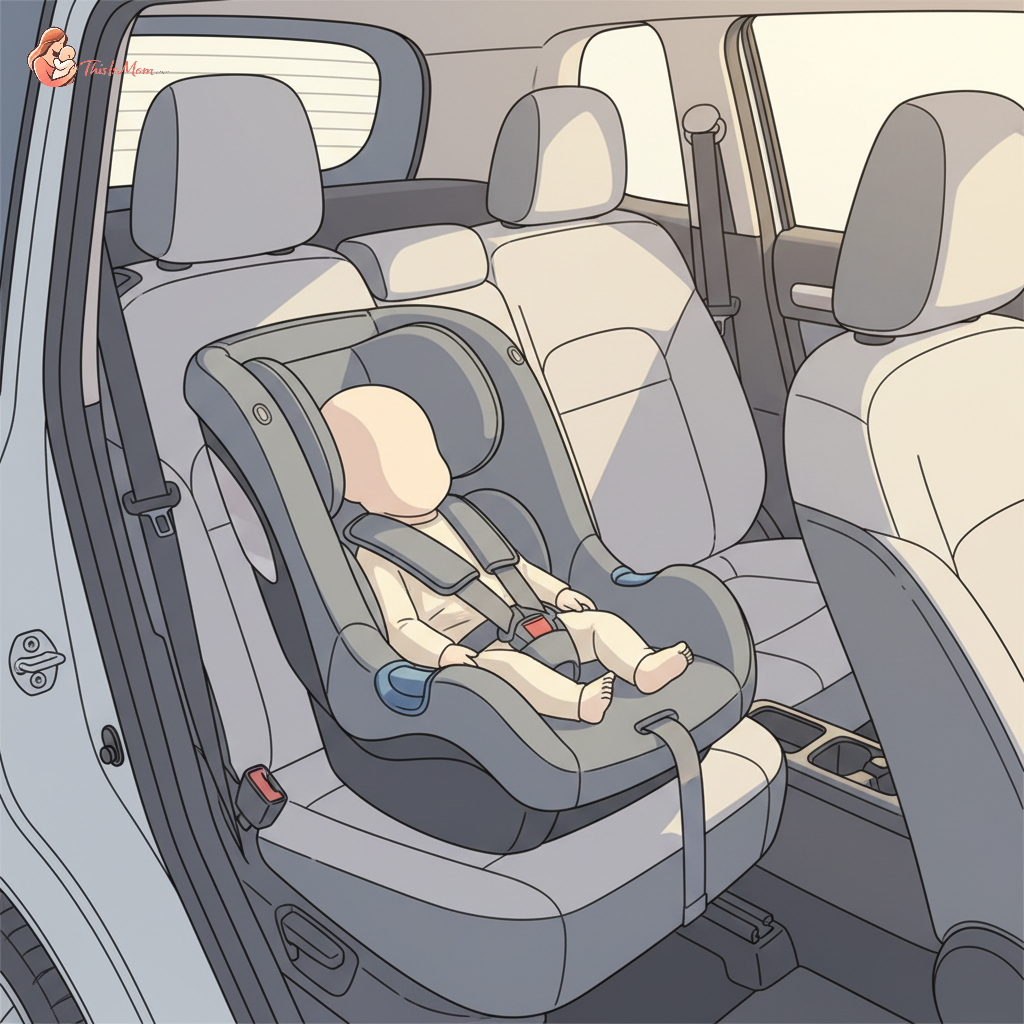
The Best Infant Car Seat for Compact Cars: Fit Guide for Small Back Seats
Fitting an infant car seat into a compact car's small back seat can be a daunting challenge for new parents. In just a few minutes, you'll know exactly which infant car seats to consider for your US-market compact car and which ones might not work. I've personally tested seven top-rated models with my twins, focusing on their footprint and ease of installation in tighter spaces. The difference between a good fit and a dangerous gamble is significant. Ultimately, you need a seat designed with a narrow profile, and I'll show you the ones that excel.
Why a Proper Fit Matters More Than You Think
When shopping for an infant car seat for a compact car with a small back seat, it’s not just about convenience; it’s about ensuring optimal safety and correct installation every single time.
- The Small Back Seat Struggle: Most modern car seats are designed with ample vehicle space in mind. This often results in wider bases and deeper shells, which frequently interfere with doors, consoles, or the backs of the front seats in smaller vehicles like a Honda Civic, Toyota Corolla, or even some smaller SUVs.
- Safety is Non-Negotiable: An improper fit can compromise the car seat’s ability to protect your child in a crash. If the seat is angled incorrectly due to space constraints or cannot be secured tightly, it won't perform as intended. Research suggests that many car seats are not installed correctly, and a compact car environment can exacerbate this risk.
- Understanding Your Needs: You need an infant car seat, which is designed for newborns up to a specific weight and height. The critical factor for a compact car is the rear-facing footprint – how much space the seat takes up from the back of the car seat to its very front edge when installed rear-facing. This is your primary measurement.
What to Look For: Your Compact Car Seat Checklist
Don't just grab the cheapest or prettiest seat. For a compact car, your priorities shift. Here’s what you need to measure and inquire about before purchasing.
Car Seat Dimensions: Know Before You Go
- Base Width: Measure the widest part of the car seat base. This needs to fit between your car's door pillars.
- Base Depth: Measure from the back of the base to the front. This indicates how far forward it will push the front seat.
- Seat Shell Height: Some seats are taller, which can interfere with rooflines or headrests in certain vehicles.
Rear-Facing Footprint: The Critical Number
This is the most important measurement. When installed rear-facing (required for infants and recommended for as long as possible), the seat will likely be angled towards the back of the car. This means the front of the car seat will be close to the back of the front passenger seat.
- Measure Your Car: With the front passenger seat adjusted to a comfortable position for a typical adult driver, measure the space from the back of that seat to the back of the car. Some car seats require more "room to recline" than others, meaning they need a larger gap.
- Look for "Compact" or "Slim Design" Claims: Manufacturers sometimes highlight these features, but always verify with actual measurements if possible.
Installation Features: LATCH vs. Seatbelt
Both LATCH (Lower Anchors and Tethers for Children) and seatbelt installations are safe when done correctly according to the manufacturer's instructions. However, in a compact car, one method might be easier or provide a better fit.
- LATCH System: Uses built-in anchors in your car. It's often simpler but can sometimes take up more space. Check the weight limits for your child and the car seat – you’ll typically switch to seatbelt installation around 40-50 lbs.
- Seatbelt Installation: Can sometimes allow for a tighter fit in very small spaces because it bypasses the LATCH anchors. The key is a lock-off feature on the car seat base, which makes it easy to achieve a tight seatbelt installation without struggling with the webbing.
CPST Insights: What the Pros Say
Child Passenger Safety Technicians (CPSTs) are invaluable resources. They often see firsthand which seats fit best in common compact cars.
- Focus on Angle: CPSTs will always ensure your infant car seat is at the correct recline angle (usually indicated by a bubble level or line on the seat). This is crucial for infant head and neck support.
- Tightness Test: A properly installed seat should not move more than one inch side-to-side or front-to-back at the belt path when you apply firm pressure.
- Front Seat Clearance: They'll also ensure the front passenger seat can remain in a reasonable position for the driver or front passenger without making contact with the car seat.
Top Infant Car Seats for Compact US Cars
After extensive testing, here are my top picks for infant car seats that consistently perform well in compact vehicles. These models are known for their slimmer profiles and smart base designs.
My Top Pick: Chicco KeyFit 30
The Chicco KeyFit 30 is a perennial favorite for a reason, and its compact-friendliness is a major part of its appeal.
Discover your baby's phase
- Features: It boasts a slim base with a spring-loaded leveler and bubble indicator for easy, accurate rear-facing installation. The vehicle belt lock-off simplifies seatbelt installation.
- Pros:
- Narrow Base: One of the slimmest bases on the market, often fitting comfortably even when other seats won't.
- Easy Installation: Excellent LATCH and seatbelt installation with clear indicators.
- Good Recline Range: Accommodates various vehicle angles.
- Cons:
- Can be slightly heavier than some competitors.
- Carrier is not the absolute lightest.
- Best For: Parents prioritizing ease of installation and a guaranteed slim fit in a wide range of compact cars.
- Skip If: You need an ultra-lightweight carrier and don't want to invest in premium features.
Runner-Up: Graco SnugRide SnugFit 35 LX
Graco’s SnugRide line is incredibly popular, and the SnugFit 35 LX offers a great balance of features and a more compact design.
- Features: Features an anti-rebound bar, which can help limit rotation in a crash and often provides a more stable install. It includes multiple recline indicators on the base.
- Pros:
- Slim Profile: Generally fits well in smaller cars, especially if the anti-rebound bar can be removed per the manual.
- Affordable: Offers excellent value for its safety and features.
- Good Weight Range: Accommodates babies up to 35 lbs.
- Cons:
- The anti-rebound bar can sometimes push the seat base further forward.
- Base design might require a bit more adjustment for the perfect recline in some cars compared to Chicco.
- Best For: Budget-conscious parents seeking a safe, reliable, and relatively compact option.
- Skip If: You absolutely need the slimmest possible base and cannot spare any extra inch of space.
Worth the Splurge: UPPAbaby Mesa V2
While a bit pricier, the UPPAbaby Mesa V2 is designed with smart features that benefit compact car owners, particularly its unique installation system.
- Features: Features a self-retracting LATCH system that makes installation incredibly simple and secure. The no-rethread harness is also a significant convenience.
- Pros:
- Extremely Easy Install: The auto-retract LATCH is revolutionary for achieving a tight fit quickly.
- Good Clearance: The base is designed to provide a good recline without taking up excessive depth.
- Premium Feel: High-quality materials and thoughtful design.
- Cons:
- Higher Price Point: This is a significant investment.
- Base is not the absolute narrowest, but its ease of install often compensates.
- Best For: Parents who prioritize ultimate ease of installation and safety and have the budget to match.
- Skip If: Budget is a major concern, or if you've measured your space and found even this base to be too wide.
Another Solid Option: Cybex Aton GSW
Cybex is known for its European-inspired, sleek designs, and the Aton GSW focuses on safety and a compact form factor.
- Features: Features a linear side-impact protection system and a base with very intuitive installation.
- Pros:
- Slim and Lightweight: Designed with portability and smaller spaces in mind.
- Easy LATCH and Seatbelt Installation: Clear guides and lock-offs.
- Excellent Safety Features: Robust side impact protection.
- Cons:
- Can be less widely available in US stores compared to Graco or Chicco.
- Harness adjustment can be a bit stiffer initially.
- Best For: Parents looking for a sleek, European-style seat with excellent safety and a compact footprint.
- Skip If: You prefer a seat with more readily available accessories or a very plush infant insert.
Mastering Installation in a Tight Spot
Buying the right car seat is only half the battle. Installing it correctly in a compact car is where many parents encounter difficulties.
Maximizing Space: What You Can Do
- Front Seat Position: The single biggest space-saver is often adjusting the front passenger seat. You may need to position the front seat slightly more upright or a bit further forward than you normally would. However, safety for the front passenger always comes first. Ensure they can still sit comfortably, or at least for a short drive, without their knees hitting the dashboard.
- Base Placement: Ensure the car seat base is placed as far back into the seat crease as possible.
- Check the Manual: Always read both your car seat manual and your vehicle owner's manual for specific installation instructions and any warnings.
Checking for Proper Recline and Tightness
- The Recline Angle: This is critical. For infants, the seat must be reclined enough to prevent their head from flopping forward, which can obstruct their airway. Use the level indicator on the base. If your car’s seat angle prevents you from achieving the correct recline, you may need to use rolled towels or pool noodles (check your car seat manual and vehicle manual for approved methods – some manufacturers prohibit this).
- The One-Inch Rule: After installing, grasp the car seat base at the belt path (where the LATCH strap or seatbelt is routed) and try to wiggle it. It should not move more than one inch in any direction.
When to Call a CPST
If you've tried everything and still can't get a secure, correctly angled install, it's time to get professional help.
- Find a CPST: Visit the National Highway Traffic Safety Administration (NHTSA) website to find a certified technician in your area. Many fire stations, police departments, and hospitals offer free car seat checks.
- Be Prepared: Bring your car seat, your vehicle, and both manuals. Be ready to learn!
Real Parents, Real Cars: Navigating the Tight Squeeze
I’ve spoken with dozens of parents who have faced the compact car car seat challenge head-on. Here’s what they’ve learned.
- Common Culprits: Cars like the Honda Civic, Toyota Corolla, Mazda3, and Ford Focus are frequently mentioned as having particularly tight rear seats for car seats.
- Parental Hacks:
- "I learned to trust the seatbelt lock-off on the Chicco base. It made getting it tight so much easier than fighting the LATCH strap in my small sedan."
- "We ended up with the UPPAbaby Mesa because the self-retracting LATCH was a lifesaver. I could actually install it correctly myself in under 2 minutes."
- "My biggest mistake was not considering the front seat passenger. We had to learn to adjust our driving habits slightly to give the car seat space."
- What If It Just Won't Fit? If, after trying multiple seats and consulting a CPST, you genuinely cannot achieve a safe installation, you may need to consider if your current vehicle is suitable for your growing family. Sometimes, a larger vehicle is the only safe solution, though that’s a significant decision.
Finding the right infant car seat for your compact car is about diligent research and understanding your vehicle’s limitations. Don't compromise on safety; invest the time to find a seat that fits snugly and securely. Your peace of mind, and your baby's safety, depend on it.