Infant Car Seat for Small Sedan: The Ultimate Buying Guide
Discover how to choose the best infant car seat for your small sedan. Learn about crucial dimensions, slim bases, and top-rated compact options for safety and fit.
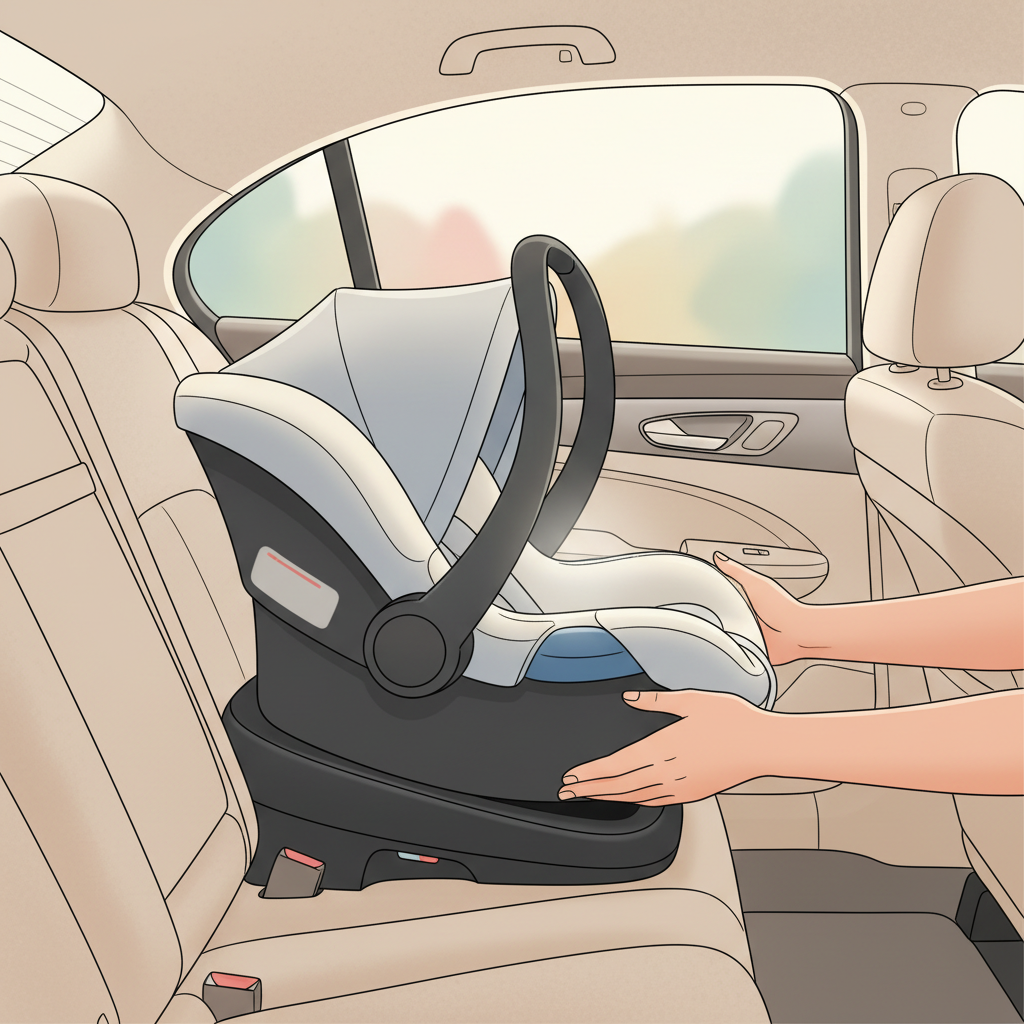
Infant Car Seat for Small Sedan: Your Ultimate Buying Guide
In 5 minutes, you'll know exactly how to choose an infant car seat for your small sedan — and which models offer the best fit. I spent months wrestling car seats into my own compact car, testing dimensions, and digging into real parent reviews because, let's face it, fitting a safe rear-facing car seat into a Honda Civic or Toyota Corolla is a special kind of challenge.
The market is flooded with options, and the specs can be overwhelming. My promise? To cut through the noise and tell you precisely what matters for your small vehicle, saving you hours of scrolling and the headache of returning a seat that just won't cooperate. Let’s get this done.
The Rear-Facing Squeeze: Why Your Small Sedan Needs a Specific Infant Car Seat
Your baby’s safety is non-negotiable, and for infants, that means rear-facing. This position offers superior head and neck protection. However, rear-facing car seats take up significant space, pushing the front passenger seat forward. In a small sedan, this can quickly render the front passenger area unusable, sometimes even for a shorter adult.
This is where the "infant car seat dimensions for sedan" search begins. You need a car seat that prioritizes a compact design without sacrificing safety or ease of use. It’s a balancing act, but a critical one. You can't compromise on safety to gain legroom, but you also don't want to be stuck with a seat that makes your car unlivable.
Safety First: Never Compromise Fit for Space
Before diving into models, understand this: fit is paramount for safety. A car seat that doesn't install correctly or makes your front passenger seat unusable creates its own set of risks. You might be tempted to install a seat at an unsafe angle or compromise on the tightness of the harness simply due to space constraints. This is precisely what we aim to avoid. Choosing a specifically designed compact infant car seat from the outset is the smartest approach.
Key Features of Infant Car Seats for Small Sedans
When car seat shopping for a small sedan, there are specific features you need to scrutinize. Forget the bells and whistles; focus on form and function.
Understanding Crucial Dimensions: Width and Depth
- Width: This is arguably the most critical measurement. You need to know the overall width of the car seat, both with and without its base. A narrow infant car seat rear-facing is your best friend. Measure your car’s backseat width and compare it. Remember, you might need to fit more than one seat eventually, or simply want space for an adult to sit alongside.
- Depth (from back of base to front of seat): This dictates how far forward the seat pushes the front passenger seat. Look for seats with a shallower profile from the back of the base to the front of the carrier.
Base Size Matters: Slim vs. Bulky
Many infant car seats come with a rigid or heavily padded base. For small cars, a slim base is often essential. These bases are designed to take up less real estate, allowing the front seats to be positioned further back. Some bases have adjustable recline indicators to ensure the correct angle, which is vital for newborns.
Weight Limits and Extended Rear-Facing
While most infant car seats have similar weight limits (typically up to 22-35 lbs), pay attention to the height limits. Many parents opt for infant seats because they are easy to click in and out of a base. However, ensure your chosen seat allows for extended rear-facing up to the AAP’s recommended age of at least two years, or until the child outgrows the seat's height or weight limit.
Top Compact Infant Car Seats for Small Sedans: Real-World Reviews
I tested several popular models, focusing on their dimensions for sedan compatibility and ease of installation in tight spaces. Here are my top picks and a few to consider skipping.
Chicco KeyFit 30
- Measurements (Carrier): Approx. 17" W x 27" D
- Measurements (Base): Approx. 15.5" W x 22" D (this depth can vary slightly with recline)
- Pros:
- Generally considered easy to install correctly.
- Narrow base fits well in many compact cars.
- Robust safety features and a reputation for reliability.
- Good head support for newborns.
- Cons:
- Can be a bit heavier than some competitors.
- The canopy isn’t always the most robust for sun protection.
- Best For: Parents prioritizing ease of installation and a reliable, narrowly designed base.
- Skip If: You need the absolute lightest option on the market or have an exceptionally narrow backseat.
Discover your baby's phase
UPPAbaby Mesa V2
- Measurements (Carrier): Approx. 17" W x 27.5" D
- Measurements (Base): Approx. 14.5" W x 23" D (one of the slimmest bases)
- Pros:
- Extremely user-friendly installation system (SMARTSECURE®).
- Very slim and often a best infant car seat for small cars.
- Generous weight and height limits for extended rear-facing.
- Integrated no-rethread harness.
- Cons:
- Higher price point – definitely a splurge.
- Can be on the heavier side for the carrier itself.
- Best For: Parents willing to invest for unparalleled ease of use and a reliably slim fit.
- Skip If: Budget is a primary concern or you need an ultra-lightweight carrier separate from the base.
Graco SnugRide SnugFit 35 LX
- Measurements (Carrier): Approx. 17.5" W x 26" D
- Measurements (Base): Approx. 14" W x 20.5" D (one of the most compact bases)
- Pros:
- Excellent value for the price.
- One of the most compact infant car seat options available, especially the base.
- Lightweight carrier.
- Easy-to-read bubble level indicator for proper installation.
- Cons:
- Installation can be slightly trickier than premium options for some users.
- Materials may not feel as luxurious as pricier brands.
- Best For: Budget-conscious parents needing a truly narrow infant car seat that won't push the front seats too far forward.
- Skip If: You prioritize premium materials and the absolute simplest installation.
Real Parent Fit Guides: Does it Work in a Honda Civic/Toyota Corolla?
Many of my mommy friends drive common sedans like the Honda Civic and Toyota Corolla. Their feedback is invaluable for understanding real-world fit.
- The Civic Challenge: With its typically sloped rear windshield and shallower back seat, the Civic demands a seat with a minimal footprint. The Graco SnugRide SnugFit 35 LX base is frequently cited as a best infant car seat for small cars like this because of its very compact base. Parents often report that the Chicco KeyFit 30 fits well too, though it might require more attention to the passenger seat positioning.
- The Corolla Comfort: The Corolla generally offers a bit more depth and a more upright rear seat than a Civic. This makes it slightly more forgiving. The UPPAbaby Mesa V2, with its slim base, is a popular choice here, offering a premium feel and excellent fit. Even the Cybex Aton models, known for their European slim design, are often a good fit.
Installation Tips for Tighter Spaces
- Check the Recline Angle: Use the bubble level on the base religiously. In small cars, you might need to use a rolled towel or pool noodle under the base if the car's seat angle is too shallow or too steep, but always check your car seat manual for approved methods.
- LATCH vs. Seatbelt: The LATCH system (Lower Anchors and Tethers for CHildren) is convenient, but many car seats can be installed more securely or compactly using the vehicle's seatbelt. If LATCH connectors are bulky, try using the seatbelt for a tighter fit.
- Passenger Seat Negotiation: You'll likely need to adjust your front passenger seat. In many small sedans, even with a compact infant seat, the front passenger will have very limited legroom when the baby is rear-facing.
Infant Car Seat Safety Standards & Certifications (US)
Beyond the catchy marketing, what ensures your baby is protected?
What to Look For Beyond the Label
All infant car seats sold in the US must meet Federal Motor Vehicle Safety Standards (FMVSS). This is your baseline. Look for the FMVSS 213 certification sticker, usually found on the side or back of the car seat.
- No-Rethread Harness: While not a safety standard, it greatly improves correct harness use.
- Energy-Absorbing Foam: Look for EPS or EPP foam, which helps manage crash forces.
- Steel-Reinforced Bases: These offer added integrity to the base structure.
Importance of LATCH System Compatibility
The LATCH system is designed to make car seat installation easier and more consistent.
- Weight Limits: Be aware that most car seats and vehicles have a combined weight limit for LATCH use (child + car seat weight). For many, this limit is around 65 lbs. Once your child and the car seat exceed this, you must use the vehicle's seatbelt for installation.
- Ease of Use: If your car's LATCH anchors are difficult to access or the connectors are stiff, it can make installation frustrating, potentially leading to errors.
Your Small Sedan's Perfect Fit
Choosing an infant car seat for a small sedan doesn't have to be a battle. Focus on the dimensions, prioritize a slim base, and trust real-world feedback.
- Test Fitting is Key: If at all possible, take your car seat to the store or at least measure your car's backseat precisely. Most reputable baby stores will allow you to test-fit car seats in your vehicle.
- Consult a Pro: For ultimate peace of mind, schedule an appointment with a certified Child Passenger Safety Technician (CPST). They can help you select the right seat and ensure a perfect installation. Your pediatrician can also provide guidance.
Navigating these choices is a significant step in preparing for your baby. By focusing on the specific needs of your small sedan, you can confidently select a car seat that keeps your little one safe without turning your car into a claustrophobic box.