No Screen Time Days for 2-Year-Olds: Guide & Activities
Discover how to introduce no screen time days for your 2-year-old with a gentle, practical guide. Learn AAP recommendations, engaging activities, and tips for smooth transitions.
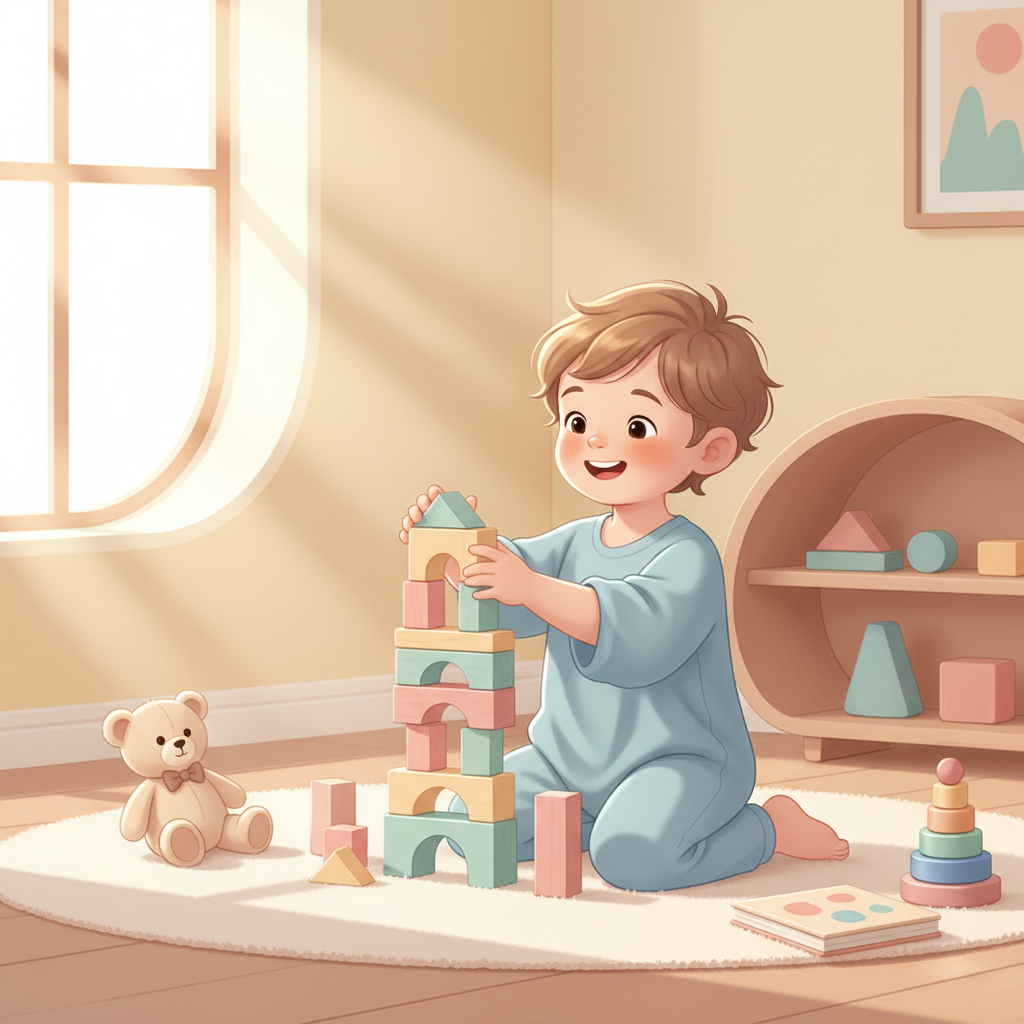
How to Introduce No Screen Time Days for Your 2-Year-Old (A Practical Guide)
Your 2-year-old has a favorite cartoon character on repeat. You’ve heard about screen time limits, and you’re wondering: how to introduce no screen time days for a 2-year-old without a total meltdown ensuing? It’s a common question for parents navigating the digital age with toddlers.
Understanding Screen Time Recommendations for Young Children
The American Academy of Pediatrics (AAP) offers clear recommendations for screen time for children. For children younger than 18 months, media use should be avoided, with the exception of video-chatting. For children 18 to 24 months, parents should choose high-quality programming and co-view it with their child to help them understand what they’re seeing.
For children 2 to 5 years old, the AAP suggests limiting screen use to 1 hour per day of high-quality programs. Co-viewing is still encouraged. Therefore, aiming for dedicated no screen time days for 2 year olds aligns with the spirit of these guidelines by prioritizing other developmental activities.
The Benefits of Screen-Free Play and Development
Why shift towards days with less or no screen time? Evidence suggests that ample screen-free play is crucial for a young child's development. It fosters creativity, encourages independent problem-solving, and supports the development of fine and gross motor skills. Toddler Stacking Blocks? Encourage Building Skills Gently are a great example of how simple toys can encourage this skillset.
When children are not passively consuming digital content, they are more likely to actively explore their environment. This hands-on learning is fundamental for cognitive growth and social-emotional development. It also allows for genuine connection with caregivers, which is vital for building secure attachments.
Preparing for Success: Setting the Stage for Screen-Free Fun
Transitioning to no screen time days requires thoughtful preparation. It’s not just about turning off the TV; it’s about creating an environment where screen-free engagement is not only possible but appealing.
Communicating the Change to Your Toddler (No, Really!)
This might sound ambitious for a 2-year-old, but simple, consistent communication can lay the groundwork. Use clear, brief language. For example, "Today, we'll play with blocks and read books instead of watching shows." You can point to the TV and say, "TV is sleeping today." The idea isn't that they fully grasp time or abstract concepts, but that they begin to associate certain days or times with screen-free activities.
Stocking Your Home with Engaging Alternatives
Having readily available, appealing alternatives is key to successful implementation of AAP guidelines. Think about what sparks your child's curiosity and offers opportunities for exploration:
- Free Play Materials: Building blocks, Duplo, wooden trains, play-doh (with washable mat and tools).
- Art Supplies: Large crayons, washable markers, construction paper, finger paints, sticker books.
- Movement Opportunities: A small indoor slide, a tunnel to crawl through, a mini trampoline.
- Sensory Bins: Rice, beans, water beads (supervised!), or even just water with cups and scoops. Dairy & Egg Free Toddler Snacks: Easy Pack Ideas On-the-Go can be a lifesaver when preparing for outings.
The 'When-Then' Rule: Planning Out Your Days
Structure can be your best friend when you’re aiming for how to stop screen time for a 2 year old. A predictable routine helps children feel secure. Consider using a visual schedule with pictures to represent activities. For instance, "First, we eat breakfast, then we play with cars, then we go to the park."
The idea behind structuring days is similar to how parents manage Remote Work & Part-Time Childcare: Navigating the Parent Juggle. Knowing what to expect reduces stress.
Phase One: Gently Introducing Screen-Free Slots
Jumping straight into a full 24-hour no screen time day might be overwhelming for both you and your toddler. A phased approach is often more sustainable.
Starting Small: A Few Hours vs. a Full Day
Begin by designating specific blocks of time as screen-free, rather than an entire day. Perhaps mornings are screen-free, or the period after naptime until dinner. As your child adjusts and becomes more engaged in other activities, you can gradually extend these screen-free periods. The goal is incremental success.
Navigating Initial Resistance and Tantrums (It's Okay!)
It’s highly probable that your 2-year-old will protest when screens are removed, especially if they've been a regular part of the routine. The AAP acknowledges that children at this age are still developing self-regulation skills. This means tantrums are a normal part of their development. When resistance arises:
Discover your baby's phase
- Acknowledge their feelings: "You feel sad because you want to watch your show."
- Redirect gently: "Let's go build a tower with blocks instead."
- Stay calm and consistent: Your own calm demeanor can help de-escalate the situation. Communicating Discipline Styles to Your Nanny Effectively can help ensure consistency if you have external caregivers.
Avoid using screens as a quick fix to stop crying, as this reinforces the idea that screens are a solution to negative emotions.
What is the '7-7-7 Rule' in Parenting? (And Does It Apply Here?)
You might have heard about the "7-7-7 rule" which, in some interpretations, suggests limiting screen time to 7 hours a week, having no screens in the bedroom, and no screens at meals. While this is a helpful framework for many families, its direct application to introducing no screen time days for a 2-year-old is more about the principles behind it.
The core ideas are about intentionality, healthy boundaries, and prioritizing other enriching activities. Adapting this concept means ensuring your no screen time activities for toddlers are plentiful and engaging, and that screen-free times are protected.
Making it Stick: Activities to Entertain a 2-Year-Old Without Screen Time
Having a repertoire of engaging no screen time activities for toddlers is crucial for making these days enjoyable and sustainable.
Sensory Play Ideas (Messy Fun Encouraged!)
Toddlers learn through their senses. Sensory play provides endless opportunities for exploration and development.
- Water Play: In a shallow bin or the bathtub, provide cups, ladles, floating toys, and sponges. Always supervise closely.
- Taste-Safe Goo: Mix cornstarch and water for a simple, safe "oobleck." Add food coloring for visual appeal.
- Nature Scavenger Hunt: Use a small basket to collect leaves, rocks, and sticks from the yard.
Outdoor Adventures and Nature Exploration
The outdoors offers a wealth of stimulation that screens simply cannot replicate.
- Park Visits: Swinging, sliding, and simply exploring a new environment are wonderful for gross motor skills and social interaction. Toddler Toe Walking: When to Worry & What's Normal can sometimes be addressed with more outdoor and gross motor play.
- Nature Walks: Point out birds, bugs, trees, and flowers. Let your toddler lead the way sometimes.
- Backyard Fun: Bubbles, chalk drawing on the driveway, and simple ball games are always a hit.
Quiet Time Activities: Books, Puzzles, and Imaginative Play
Not every moment needs to be high-energy. Quiet, focused activities are just as important for development.
- Reading Aloud: Cuddle up and read stories together. Let your toddler choose the book sometimes. Baby's First Finger Foods: A Gentle Transition Guide can complement reading time with quiet activity.
- Simple Puzzles: Chunky knob puzzles or 2-4 piece jigsaws are perfect for little hands.
- Dress-Up & Pretend Play: Scarves, hats, or simple props can spark imaginative scenarios like playing house or being a doctor.
Troubleshooting & Maintaining Your Screen-Free Days
Consistency is key, but perfection is not the goal. Here's how to navigate the inevitable bumps in the road.
Handling Slippage: Consistency Over Perfection
Life happens. There might be days when screens creep back in, perhaps out of necessity or convenience. Don't view this as a failure. Acknowledge it and simply return to your plan the next day. The most important factor is consistency in your overall approach, not rigid adherence without any flexibility.
Beyond Distraction: Truly Engaging with Your Child
It’s easy to offer an activity and then mentally check out. For screen-free days to be truly beneficial, it’s about connection. Engage with your child in their play. Ask questions, offer encouragement, and follow their lead. This shared experience is far more valuable for their development than solitary screen time. Gentle Parenting Alternatives to Time-Out for Screen Time Meltdowns can help foster this connection, especially during challenging moments.
When to Reassess: Flexibility is Key
While setting a goal for no screen time days is beneficial, remember that every child and family is different. If your child is consistently struggling, or if your family’s needs change (e.g., a new baby, illness), it’s okay to adjust your approach. Perhaps it’s one screen-free day a week, or shorter screen-free periods. The objective is to raise a well-rounded child, and that involves making choices that fit your unique circumstances.