Potty Training Sensory-Sensitive Toddlers: A Gentle Guide
Learn how to introduce toilet training to sensory-sensitive toddlers with gentle, research-backed strategies. Create a calm environment & support their unique needs.
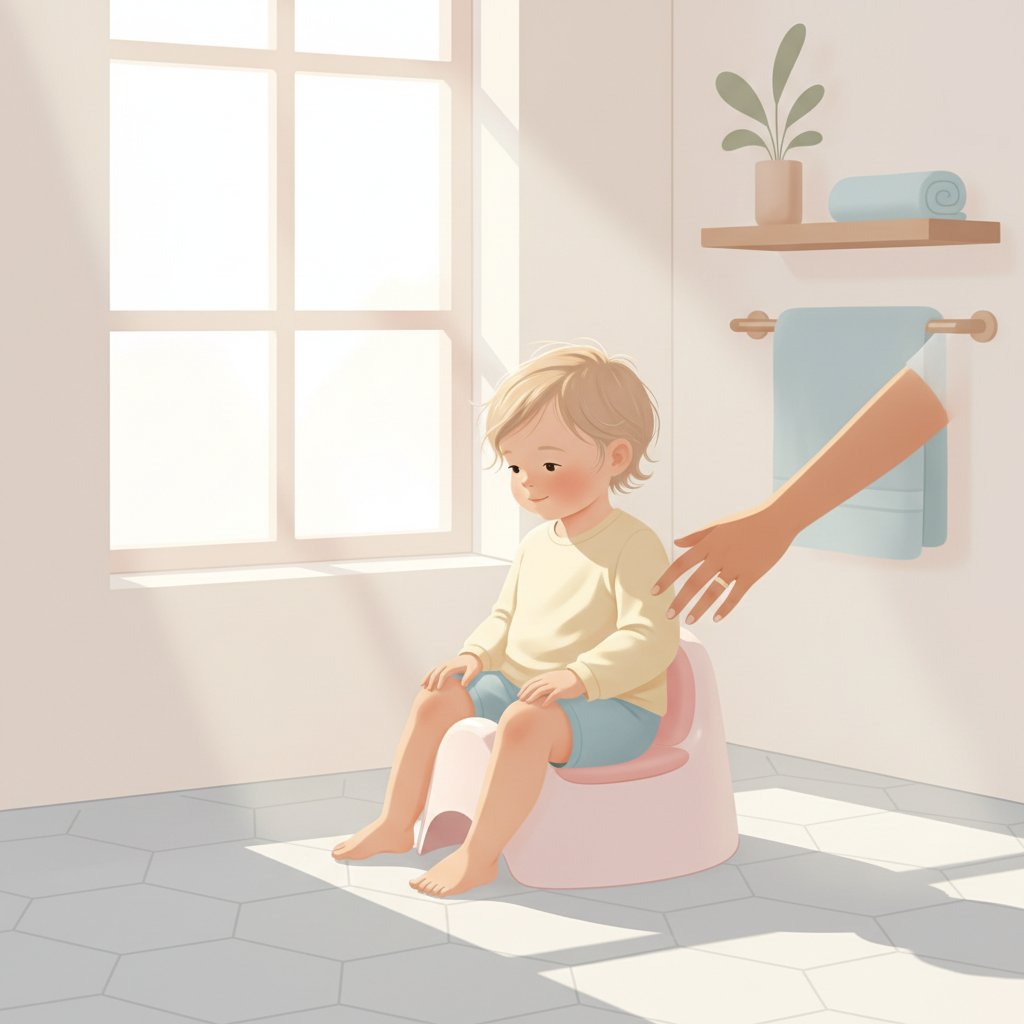
Toilet Training a Sensory-Sensitive Toddler: A Gentle Guide
Your toddler is showing interest in the potty – a milestone many parents eagerly anticipate. But if your child is particularly sensitive to sensory input, introducing toilet training might feel more complex. How do you navigate this significant developmental step when your toddler experiences the world differently? This guide offers a compassionate, research-informed approach to understanding and supporting your sensory-sensitive child. We'll explore how to introduce toilet training to a sensory-sensitive toddler by focusing on their unique needs and creating a comfortable, predictable environment.
Inside Your Toddler's Sensory World
When we talk about a "sensory-sensitive" child, it means they may experience sights, sounds, smells, tastes, or touch more intensely than other children. For potty training, this can manifest in several ways. They might be highly aware of the feeling of wetness, the texture of toilet paper, the sound of flushing, or the temperature of the water. For some highly sensitive children, the sheer sensation of needing to go can be overwhelming, or the physical act of sitting on a cold potty can be a significant deterrent.
Signs of Readiness (and Hesitation)
The American Academy of Pediatrics (AAP) emphasizes that readiness for toilet training is more about a child's developmental stage than a specific age. For sensory-sensitive toddlers, look for these signs of readiness:
- Awareness: They notice when they are peeing or pooping, perhaps by stopping an activity, holding themselves, or telling you afterward.
- Discomfort with Diapers: They show displeasure with a dirty diaper and want to be changed.
- Imitation: They show interest in watching others use the toilet or want to sit on the potty themselves.
- Physical Capability: They can walk and sit independently.
- Communication: They can communicate their needs, even if through gestures or simple words.
Conversely, signs your child might not be ready, especially if they are sensory-sensitive, could include:
- Intense aversion: Strong fear or distress around the toilet, potty, or the act of using them.
- Dislike of "wetness" feeling: Extreme discomfort with even a slightly damp diaper, indicating strong sensory responses to bodily functions.
- Resistance to change: Difficulty with transitions in general, which can extend to the significant change that potty training represents. High sensitivity combined with a general aversion to new routines can make this a significant hurdle.
When considering how to potty train a child with sensory issues, patience is key. Observing these cues and respecting your child's pace is paramount. Research on toileting and sensory processing suggests that forcing the issue can create negative associations.
Crafting a Sensory-Calm Potty Environment
Making the potty experience as comfortable and non-overwhelming as possible is crucial for sensory-sensitive toddlers. Think about creating a space that minimizes potential sensory triggers.
The Right Potty Palate
The choice of potty or toilet seat can make a big difference. Some children dislike the cold, hard plastic of standard potties.
- Consider a padded seat: A potty seat with a softer, warmer surface might be more appealing.
- Explore different materials: Some potties are made of softer, more pliable materials.
- Seat reducers: For the grown-up toilet, a comfortable seat reducer can make the transition less daunting than a large, cold opening.
- Foot support: Ensure your child's feet are well-supported. Dangling feet can be unsettling. A sturdy stool or a potty with a stable base is ideal.
Toning Down the Sensory Overload
The bathroom itself can be a sensory minefield. Simple adjustments can create a more inviting atmosphere.
- Lighting: If the overhead light is too bright, consider using a dim nightlight.
- Sounds: The flush can be startling. You can help by flushing after your child leaves the bathroom, or by having them flush it themselves when they feel ready. Some parents find a portable fan or white noise machine can help mask sudden noises.
- Smells: Avoid strong air fresheners or cleaning product scents in the bathroom. Keep the area clean but scent-neutral.
Clothing for Comfort
The sensation of clothing can also be a factor.
- Easy to remove: Opt for pants with elastic waistbands that are easy to pull up and down.
- Fabric feel: Some children are sensitive to specific fabric textures. Experiment with different materials for underwear or training pants. Soft cotton is often a good starting point. Many parents find success with starting without any pants or underwear on initially.
Gentle Steps Toward Potty Independence
Introducing the potty should be a gradual process, devoid of pressure. For your sensory processing disorder potty training journey, consistency and positive reinforcement are your allies.
Routine, Not Rigmarole
Children thrive on predictability. Establishing a consistent routine can help manage sensory anxieties.
Discover your baby's phase
- Scheduled potty sits: Offer the potty at predictable times, such as after waking up, after meals, and before bedtime.
- Keep it brief: A minute or two is often enough. Don't let it become a battle of wills.
- No pressure: The goal is exposure and familiarity, not immediate success. If they don't go, that’s okay.
Making Potty Time Positive
Positive associations are incredibly important for highly sensitive child potty training.
- Books and Videos: Read age-appropriate books about potty training or watch short, gentle videos. Look for stories that depict children feeling proud of using the potty.
- Praise and Rewards: Offer specific praise for trying, sitting, or any success. Stickers, a small piece of a favorite fruit, or a special hug can be effective motivators. Avoid overly stimulating rewards.
- Song and Play: Sing simple songs about the potty or make it a game. "The Potty Song" can be a fun way to engage them.
Addressing Specific Sensory Challenges
- Texture: If toilet paper is an issue, consider using soft, unscented wet wipes or a small spray bottle of water for cleaning.
- Temperature: A small amount of lukewarm water in the potty can make it less shocking. Alternatively, warming the potty seat with a cloth can help.
- Sound: As mentioned, manage the flush. You can also let your child practice flushing with a small amount of water in the sink.
- Fear: If there's a fear of falling in or the sensation of sitting, start with them sitting on the potty while fully clothed, just to get used to the position and location.
Navigating the Bumps in the Road
Potty training is rarely a linear process, and for sensory-sensitive toddlers, setbacks are common. The key is to respond with understanding, not frustration.
Accidents Happen: Respond with Calm
When accidents occur, remain calm and neutral. Avoid shaming or punishing.
- Simply state, "Accidents happen. Let's get you cleaned up."
- Involve your child in the cleanup process in a simple way, like helping put the dirty clothes in the hamper.
- Reassure them that they can try again next time.
Recognizing and Troubleshooting Resistance
Strong resistance can be a sign your child is still not ready, or that a particular sensory aspect is too challenging.
- Back off: If resistance is intense and persistent, take a break from active training for a few weeks or even a month. Revisit it when your child seems more amenable.
- Identify the trigger: Try to pinpoint what is causing the resistance. Is it a specific time of day? A particular sensation?
- Consider child-led approaches: Some sensory-sensitive children respond better to methods where they are given more control and choice, rather than a structured schedule.
Tailoring the Approach
The best way to potty train a highly sensitive child is to observe them closely and adapt your strategies. What works for one child might not work for another, and what works today might need adjustment tomorrow. Flexibility and attunement to your child's cues are paramount.
When to Seek Extra Guidance
While most potty training challenges are developmental and resolve with patience, there are times when speaking with a professional is recommended.
Red Flags to Note
If your child's sensory sensitivities are impacting their overall development or well-being, or if potty training is causing extreme distress for an extended period, it might be time to consult your pediatrician.
- Severe constipation or encopresis: Difficulties with bowel movements can complicate potty training and may require medical attention.
- Extreme fear or anxiety: If your child exhibits significant, persistent fear or anxiety related to toileting that doesn't improve with gentle approaches.
- Other developmental delays: If you have concerns about other areas of your child's development alongside potty training challenges.
Resources and Support
If your pediatrician suspects underlying sensory processing challenges, they may refer you to specialists.
- Occupational Therapists (OTs): Many OTs specialize in sensory integration and can provide tailored strategies for managing sensory sensitivities, including during toileting.
- Developmental Pediatricians: These specialists can help diagnose and manage a range of developmental and behavioral issues.
- Parent Support Groups: Connecting with other parents who have navigated similar challenges can offer valuable emotional support and practical tips.
Navigating potty training with a sensory-sensitive toddler requires a deep well of patience, empathy, and a willingness to adapt. By understanding your child's unique sensory world and creating a supportive, gentle environment, you can guide them toward this important milestone with confidence and love.
Remember, your pediatrician is your best resource for personalized advice and can help rule out any underlying medical conditions.