Feeling Less Pregnant in Second Trimester? Why It's Normal
Is it normal to feel less pregnant in your second trimester? Learn why symptoms often fade, what to expect, and positive signs your pregnancy is thriving.
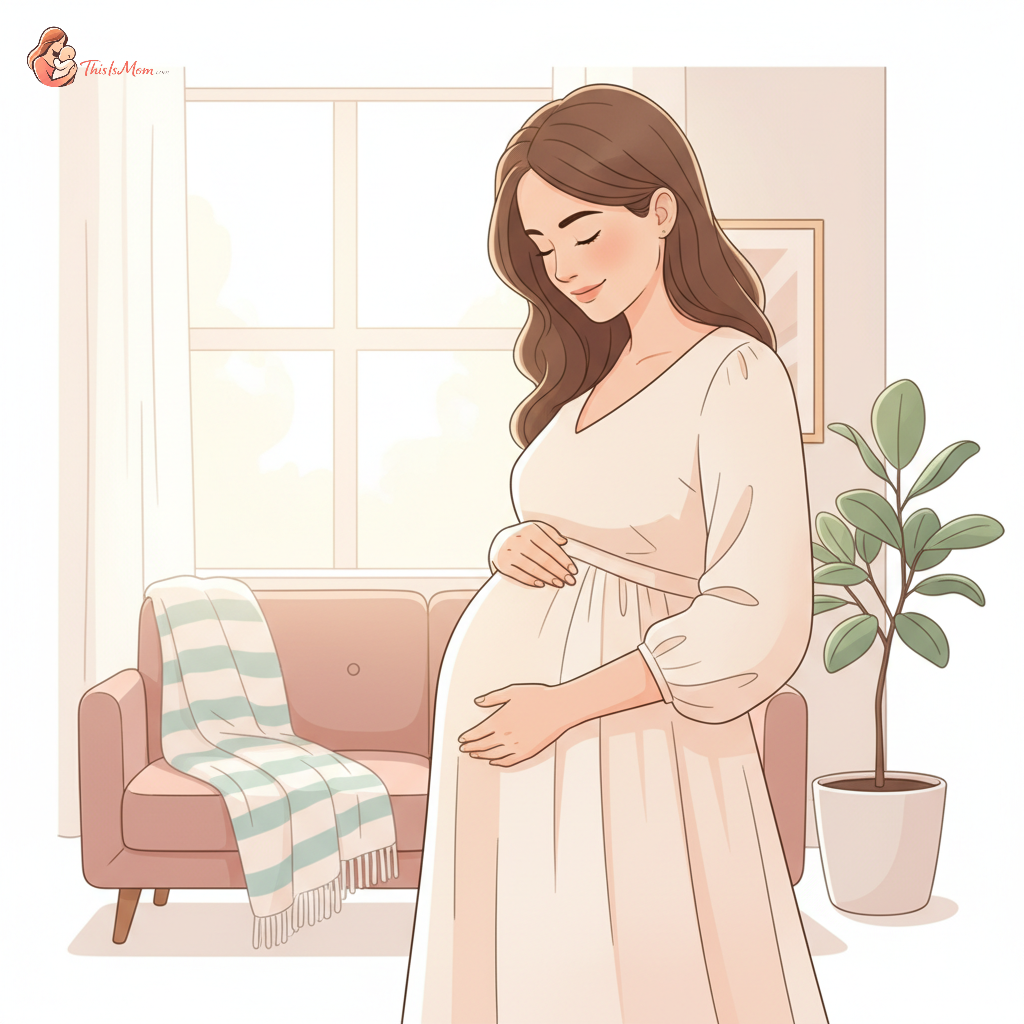
Is It Normal to Feel Less Pregnant in the Second Trimester? Your Guide
It's completely normal to wonder if you're still pregnant, especially when the intense symptoms of the first trimester start to fade. Many parents report that as they move into the second trimester, that overwhelming feeling of being pregnant shifts. You might find yourself asking, "Is it normal to feel less pregnant in the second trimester?" The answer, for most, is a resounding yes, and it's often a very welcome change.
This transition can be surprising, especially if you’ve been feeling completely consumed by pregnancy symptoms. Let's explore why this happens and what it means for you and your growing baby.
The Pregnancy Rollercoaster: Why the Second Trimester Can Feel Different
The first trimester is a period of immense physiological change. Your body is working overtime to create and nurture a new life, and it often announces this with a host of sometimes challenging symptoms.
What's Happening with Your Hormones?
During early pregnancy, your body is flooded with hormones like hCG (human chorionic gonadotropin) and progesterone. These hormones are essential for maintaining the pregnancy and are largely responsible for many of your initial symptoms, including nausea, fatigue, and breast tenderness. As your placenta takes over more of the hormone production, your body's levels of these specific pregnancy hormones can begin to stabilize or shift in their impact.
Why Morning Sickness Often Fades
Morning sickness, which is often not limited to the morning, is a common hallmark of the first trimester. While the exact cause isn't fully understood, it’s strongly linked to the rapid rise in hCG levels. As your hCG levels begin to plateau or even slightly decrease after the first trimester, many parents find that their nausea and vomiting gradually subside. This doesn't mean pregnancy is less real; it simply means a major symptom driver is easing up.
Why Do I Feel Less Pregnant in the Second Trimester? (And It's Totally Normal!)
The second trimester, often spanning weeks 13 through 27, is frequently referred to as the “honeymoon phase” of pregnancy. This is when many of the more uncomfortable early symptoms can start to wane, leading to that feeling of being less pregnant.
The 'Honeymoon Phase' Explained
This phase is characterized by a relative hormonal calm compared to the first trimester. With hCG levels stabilizing and the placenta becoming a more dominant hormonal force, the intensity of those initial symptoms often diminishes. Your body is settling into the pregnancy, and for many, this means feeling more like their usual self, albeit with a growing belly. It’s a period where you might feel more grounded and less acutely aware of every single physiological shift.
Less Nausea, More Energy: A Welcome Shift
One of the most significant changes many parents experience is a return of energy and a decrease in nausea. While you might still have occasional off days, the constant queasiness and overwhelming fatigue often lift. This newfound energy allows you to engage more fully in life, connect with your changing body in new ways, and prepare for the arrival of your baby. Not feeling constantly sick and exhausted is a normal and celebrated shift in the second trimester. If you're in your second trimester and don't feel pregnant, this is usually a good sign your body is adjusting and the pregnancy is progressing.
Beyond the Absence of Symptoms: Positive Signs Your Pregnancy is Thriving
While the absence of some symptoms can be reassuring, there are other positive indicators that your pregnancy is progressing well. It’s helpful to shift your focus from what you don't feel to what you do experience.
Your Growing Bump: A Visible Reminder
Discover your baby's phase
By the second trimester, your baby is growing rapidly, and your uterus is expanding to accommodate them. This often means your baby bump becomes more apparent. This visible change is a tangible reminder of the life growing within you. It can be incredibly grounding to see and feel your body changing, providing a different kind of confirmation than the intense symptoms of early pregnancy. The way your clothes fit differently and the new shape of your belly are all signs your pregnancy is continuing to develop.
Feeling Those First Flutters (and What to Expect for Fetal Movement)
One of the most magical experiences of the second trimester is often feeling the first movements of your baby, commonly called "quickening." These sensations can start as subtle flutters, like butterflies in your stomach, and gradually become stronger kicks and rolls.
For first-time parents, this might occur between 18 and 25 weeks. If you've been pregnant before, you might notice these movements earlier, sometimes as early as 16 weeks. These first fetal movements are a profound connection to your baby and a strong sign that all is well. As the pregnancy progresses, you'll start to notice a more regular pattern of movement.
When to Reach Out: Understanding Potential Warning Signs in the Second Trimester
While feeling less pregnant is generally a positive sign, it’s crucial to be aware of potential red flags. Your body is your best guide, and if something feels truly off, it's always worth checking in with your care provider.
Key Changes That Warrant a Call to Your Provider
While not every pregnancy is the same, there are certain signs during the second trimester that typically warrant a call to your OB or midwife:
- Severe or persistent abdominal pain: Sharp, stabbing pain, or constant cramping that doesn't resolve could be a sign of an issue.
- Vaginal bleeding: Any amount of bleeding, especially if it's bright red or heavier than spotting, should be reported.
- Sudden or severe swelling of your hands, face, or feet: While mild swelling can be normal, extreme or sudden swelling might indicate a concern like preeclampsia.
- Decreased fetal movement: If you notice a significant decrease in your baby's usual activity, it’s important to get checked.
- Leaking fluid from your vagina: This could indicate your water has broken.
- Severe headaches or vision changes: These can sometimes be linked to high blood pressure in pregnancy.
How Often Should I Feel the Baby Move in the 2nd Trimester?
In the second trimester, fetal movement is often sporadic and less predictable than in the third trimester. You might not feel your baby move every hour, or even every day, especially in the earlier part of this trimester. The key is to start learning your baby's individual pattern. As you get further into the second trimester, particularly after 28 weeks, you'll likely start to feel more consistent movement. Most pediatricians and care providers recommend that by the third trimester, you should have a sense of your baby's daily movements and contact them if you notice a significant decrease. For the second trimester, focus on experiencing the movements and getting to know your baby's rhythm as it develops.
Embracing the Second Trimester: Enjoying the Calm Before the Storm
The second trimester is often a beautiful time to connect with your pregnancy and prepare for your baby. With the initial intensity behind you and the later-stage discomforts not yet fully present, this period offers a unique window of relative calm.
Take advantage of your increased energy. This is a wonderful time to:
- Plan your baby shower.
- Start preparing your home for your baby's arrival.
- Take a babymoon or enjoy activities you love.
- Focus on nutrition and gentle exercise.
- Attend prenatal appointments and learn about childbirth.
Remember, every pregnancy journey is unique. What you feel, when you feel it, and how your body responds is your individual experience. Your body knows what it's doing, and your ability to navigate this journey is powerful. Trust yourself and your growing intuition.
Your pregnancy is unfolding exactly as it’s meant to for you. Honor your body’s signals, stay connected with your care provider for any medical needs, and allow yourself to enjoy this evolving chapter. You’ve got this, mama.