Lengthen 4-Month-Old Naps: Gentle Methods (No CIO!)
Struggling with short 4-month-old naps? Discover gentle, responsive strategies to lengthen baby naps without resorting to cry-it-out methods. Get your baby sleeping longer!
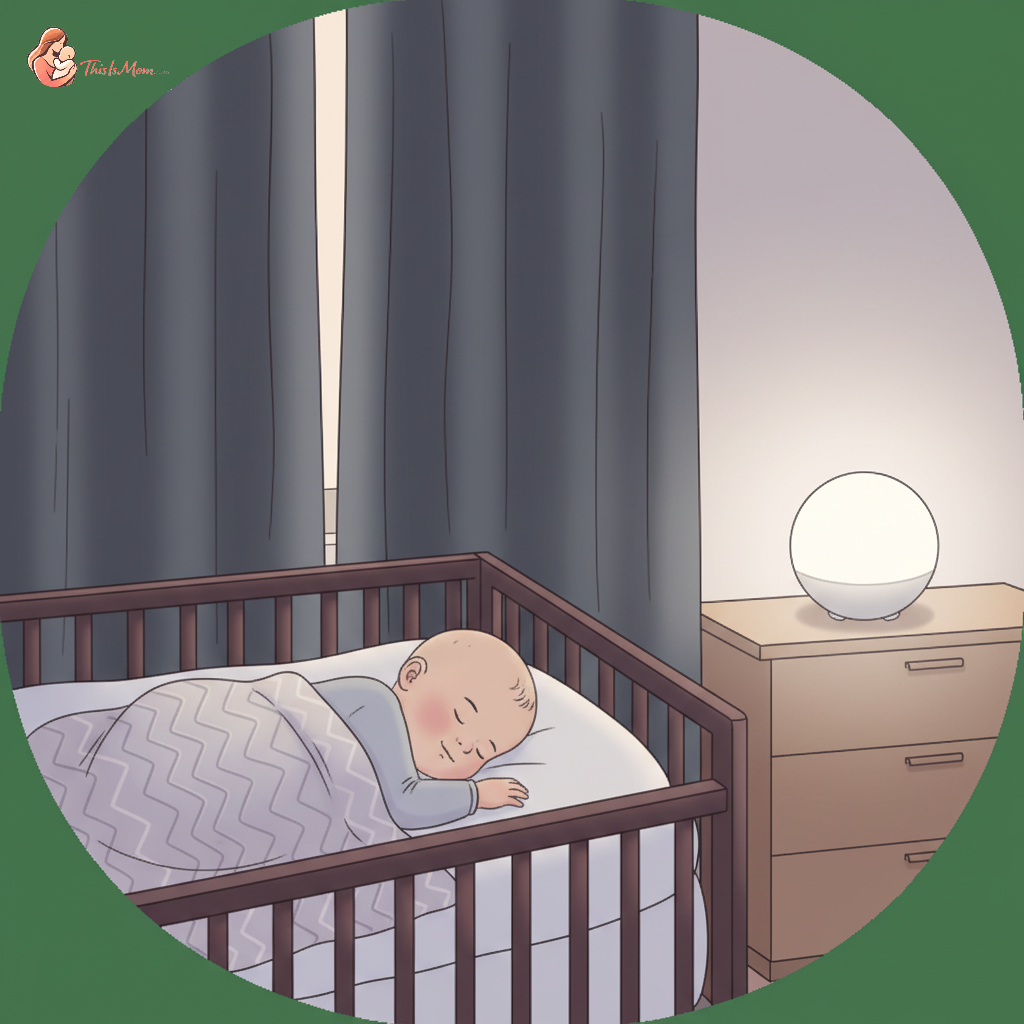
How to Lengthen 4-Month-Old Naps Without Crying It Out
Your 4-month-old’s naps have suddenly become a series of 30-minute sprints. Does this mean you’re doomed to fragmented sleep? Likely not. The shift you're experiencing is often called the 4-month sleep regression, and it’s incredibly common. Understanding why this happens and implementing gentle nap extension strategies can make a world of difference.
The goal here isn't to force your baby into a rigid schedule or employ methods that cause distress. Instead, we’ll explore evidence-based approaches that respect your baby's developmental stage and promote secure sleep. Many parents seek 4-month-old nap solutions that align with responsive parenting, and fortunately, these options exist.
When a Short Nap Is the New Normal
The behavior changes around four months are a significant developmental leap. Up until this point, babies often slept in longer stretches because their sleep cycles were more "newborn-like," characterized by less distinct REM (rapid eye movement) and non-REM sleep. Suddenly, their sleep matures, becoming more organized and adult-like.
The 4-Month Sleep Shift: More Than Just a Regression
This developmental change is why the "4-month sleep regression" is a bit of a misnomer. It's not a regression in the sense of going backward, but rather a progression to a more mature sleep architecture. This new architecture involves more distinct sleep cycles, each about 45-60 minutes long.
At the end of each cycle, babies naturally stir. Newborns would often fall back asleep easily. Now, at four months, they may fully wake up, needing a little help to transition to the next cycle. This is a key reason why many babies start having shorter naps.
Why Short Naps Are Common at This Age
The research from organizations like the American Academy of Pediatrics (AAP) and the Centers for Disease Control and Prevention (CDC) points to this maturation of sleep cycles as the primary driver. It’s biologically normal for babies at this age to have naps that are on the shorter side, and it's not necessarily a problem in itself.
Your baby might be experiencing short naps because they are waking at the end of a sleep cycle and don't yet have the skills or support to fall back asleep independently. This doesn't mean you need to employ cry-it-out tactics; it simply means they need guidance.
Signs Your Baby Might Be Overtired
While short naps are normal, a baby who consistently struggles to nap and is overtired can become increasingly difficult to soothe. Signs of overtiredness, according to many pediatric sleep resources, include:
- Fussiness or irritability that escalates
- Difficulty settling for naps or bedtime
- Rubbing eyes, yawning frequently
- Disengagement or staring into space
- Arching back or increased crying spells
If your baby is showing these signs, it suggests their sleep needs aren't being met, and it’s worth exploring gentle nap extension strategies.
Setting the Stage for Longer Naps: Your Gentle Prep Work
Before you even think about extending a nap, a well-prepared environment and a predictable routine are foundational. These elements signal to your baby that it’s time to rest and create optimal conditions for sleep.
Optimizing the Sleep Environment
Creating a sleep sanctuary can significantly impact nap length. The goal is to make the nap space as conducive to sleep as possible, minimizing distractions.
- Darkness: The AAP recommends making the sleep environment as dark as possible. Consider blackout curtains. Darkness promotes melatonin production, the sleep hormone.
- Temperature: A cool room is generally best for sleep. The CDC suggests a temperature that is comfortable for a lightly clothed adult.
- Sound: A consistent, low-level white noise machine can help mask household sounds and lull your baby to sleep. The AAP notes that white noise can be beneficial for infant sleep.
The Importance of a Consistent Pre-Nap Routine
Babies thrive on predictability. A short, consistent routine before each nap signals to your baby that sleep is coming. This doesn't need to be elaborate.
A simple routine might include:
- Changing a diaper.
- Reading a short book or singing a lullaby.
- A specific cuddle.
- Placing them in their crib drowsy but awake.
The key is consistency. Doing the same few steps in the same order before each nap helps your baby understand what to expect.
Tuning Into Awake Windows and Sleepy Cues
Understanding your baby’s awake windows – the amount of time they can comfortably stay awake between sleep periods – is crucial for preventing overtiredness. For a 4-month-old, a typical awake window is usually between 1.5 to 2 hours.
Watch for sleepy cues:
- Yawning
- Eye-rubbing
- Less engagement with toys or people
- Dazed look
Putting your baby down for a nap when they are showing these cues, but before they become overtired, increases the chances of them settling more easily and potentially sleeping longer.
Gentle Techniques to Extend Those Short Naps
When your baby wakes after one sleep cycle (around 30-45 minutes), you can try gentle interventions to help them resettle. The goal is to support them back to sleep without leaving them to cry.
The 'Wake to Sleep' Method Explained
This technique, often discussed in sleep support circles, involves gently intervening at a point before your baby is expected to wake. For a 4-month-old who typically wakes around the 30-minute mark, you would aim to briefly rouse them around the 20-25 minute mark of their nap.
The idea is to interrupt their light sleep just enough to help them transition into a deeper sleep cycle, potentially bypassing the natural wake-up point. This is not about genuinely waking them, but about a gentle stimulus. Guidelines suggest this approach requires careful observation and timing.
Discover your baby's phase
Responsive 'Nap Linking'
When your baby stirs at the end of a sleep cycle, you can offer comfort and reassurance to help them connect sleep cycles. This is often called "nap linking."
- Wait a moment to see if they resettle on their own.
- If they fuss, go to them and offer gentle comfort: a hand on their chest, a soft shush, or a pat.
- Try to avoid fully picking them up if the goal is to extend the nap in the crib.
- If they respond to the comfort and seem to settle back to sleep, you’ve successfully linked two cycles.
This is a responsive approach; you're responding to their cues, not ignoring them.
The Power of a Contact Nap for Connection and Sleep
Not all naps need to happen in the crib. Contact naps – holding your baby while they sleep – can be incredibly beneficial, especially at this age.
For a 4-month-old, a contact nap can:
- Provide much-needed rest when other methods aren't working.
- Offer comfort and security, which can sometimes be what they need to relax enough to sleep.
- Allow you to get tasks done while they are content and resting.
While the goal might be independent sleep in the crib, contact naps are a valid and loving 4-month-old nap solution that meets your baby's needs for closeness.
When Motion (Stroller or Carrier) Can Help
Sometimes, a change of scenery or motion can do the trick. A stroller ride or wearing your baby in a carrier can help a fussy baby settle into sleep.
- Stroller: The gentle rocking motion can be very soothing. Ensure the stroller is safe for napping and that you're adhering to safe sleep recommendations when unsupervised.
- Carrier: Wearing your baby keeps them close and the natural movement of your body can induce sleep. This is a great way to get a nap in when your baby is struggling to settle elsewhere.
These methods offer temporary relief and can ensure your baby gets needed rest, preventing overtiredness.
What NOT to Do: Why Cry-It-Out Isn't for 4-Month Naps
At four months, the developmental landscape of your baby’s brain and attachment needs is still very sensitive. This is why many childcare experts and organizations advise against formal cry-it-out (CIO) methods at this early stage.
The Developmental Reasons Against CIO at This Age
The primary reason CIO and similar methods are generally not recommended for infants under six months revolves around their developmental stage and attachment needs.
- Attachment: Babies at this age are actively forming secure attachments with their caregivers. They rely on their caregivers to respond to their needs. Leaving a baby to cry for extended periods without response can be counterproductive to building this secure foundation, according to attachment theory research.
- Communication: Crying is your baby's primary way of communicating distress, hunger, or discomfort. At four months, they lack the cognitive ability to understand that the crying will lead to a desired outcome of sleep or that their needs will eventually be met after a period of distress.
The AAP emphasizes responsive parenting, which includes responding to your baby's cries. While they don't explicitly outline "do not use CIO before 6 months," their focus on responsiveness and safe sleep indirectly guides away from such methods for young infants.
Focusing on Attachment and Secure Sleep Foundations
Instead of focusing on "training" sleep, the emphasis at this age is on building secure sleep habits and fostering a sense of safety and trust. This involves:
- Responding to your baby’s cues.
- Creating a predictable and nurturing sleep environment.
- Allowing your baby to feel secure and loved, even when they are learning to sleep.
These practices lay the groundwork for better sleep habits later on, without compromising your baby's emotional development.
Troubleshooting Common Nap Challenges
Even with the best strategies, some days will be harder than others. It’s important to adjust expectations and recognize what’s truly happening.
When to Consider a Short Nap 'Enough'
Sometimes, a 30-minute nap is all your baby needs or is able to achieve. If your baby wakes from a short nap, seems content, and is happy and alert for their next awake window, then essentially, that nap was enough for them at that moment.
The key is to observe their overall behavior and demeanor. A baby who wakes up happy and can play for their usual awake window is likely not suffering from a lack of sleep.
Adjusting Expectations: Every Baby is Different
It's crucial to remember that every baby is an individual. What works for one might not work for another. This applies to sleep, too. The research shows a wide range of normal for infant sleep patterns.
Some babies naturally have longer naps earlier, while others take more time to consolidate sleep. Patience and observation are your best tools. You are learning your baby’s unique rhythm.
When to Talk to Your Pediatrician About Sleep Concerns
While short naps and the 4-month sleep shift are common, there are times when consulting your pediatrician is wise. If you have significant concerns about your baby's sleep, or if they are experiencing any of the following, it's a good idea to reach out:
- Poor weight gain or feeding issues
- Excessive fussiness or crying that doesn't seem related to overtiredness
- Signs of illness (fever, congestion, etc.)
- You simply feel overwhelmed and need professional guidance
Your pediatrician can assess your baby's overall health and development and offer personalized advice for your situation.