Manage Toddler Screen Time in Pediatrician Waiting Rooms
Learn smart alternatives to screen time for toddlers in pediatrician waiting rooms. Discover engaging toys, games, snacks, and strategies for peaceful visits.
Toddler Screen Time in Waiting Rooms: Smart Alternatives for Peaceful Pediatrician Visits
With my first child, the pediatrician's waiting room was often a battleground. A tantrum brewing, a whiny soundtrack, and me fumbling for my phone, praying a quick game would buy us five minutes of peace. By my fourth, the phone stayed tucked away. Looking back, the frantic reach for a screen was more about my own stress than his actual need. If I could tell my younger self one thing, it would be this: you have more power than you think to manage toddler screen time when waiting for the pediatrician, and it doesn't always require a glowing rectangle.
The Waiting Room Dilemma: Why Screens Are So Tempting (And Why Alternatives Matter)
The truth nobody tells you about waiting rooms is that they are designed for adults, not tiny, energetic humans. They're often sterile, quiet, and filled with things toddlers absolutely cannot touch. So, when that familiar restlessness sets in, and the "I'm boooored" chorus begins, the tablet or phone feels like a lifeline. It’s an easy distraction, a guaranteed five-minute pause button.
But relying solely on screens can create a cycle. Toddlers become accustomed to that specific type of stimulation, making it harder for them to find joy in simpler things. The anxiety of "how to manage toddler screen time when waiting for pediatrician" can become a burden. The good news? A few simple strategies can make a world of difference, turning those dreaded waits into moments of connection and quiet engagement.
Pocket-Sized Power-Ups: Small Toys & Books That Deliver Big Distraction
The key here is preparedness. Think small, portable, and engaging. These aren't toys for prolonged play, but rather instant mood-lifters and focus-holders. Having a dedicated "waiting room bag" with a few rotating items keeps them novel and exciting.
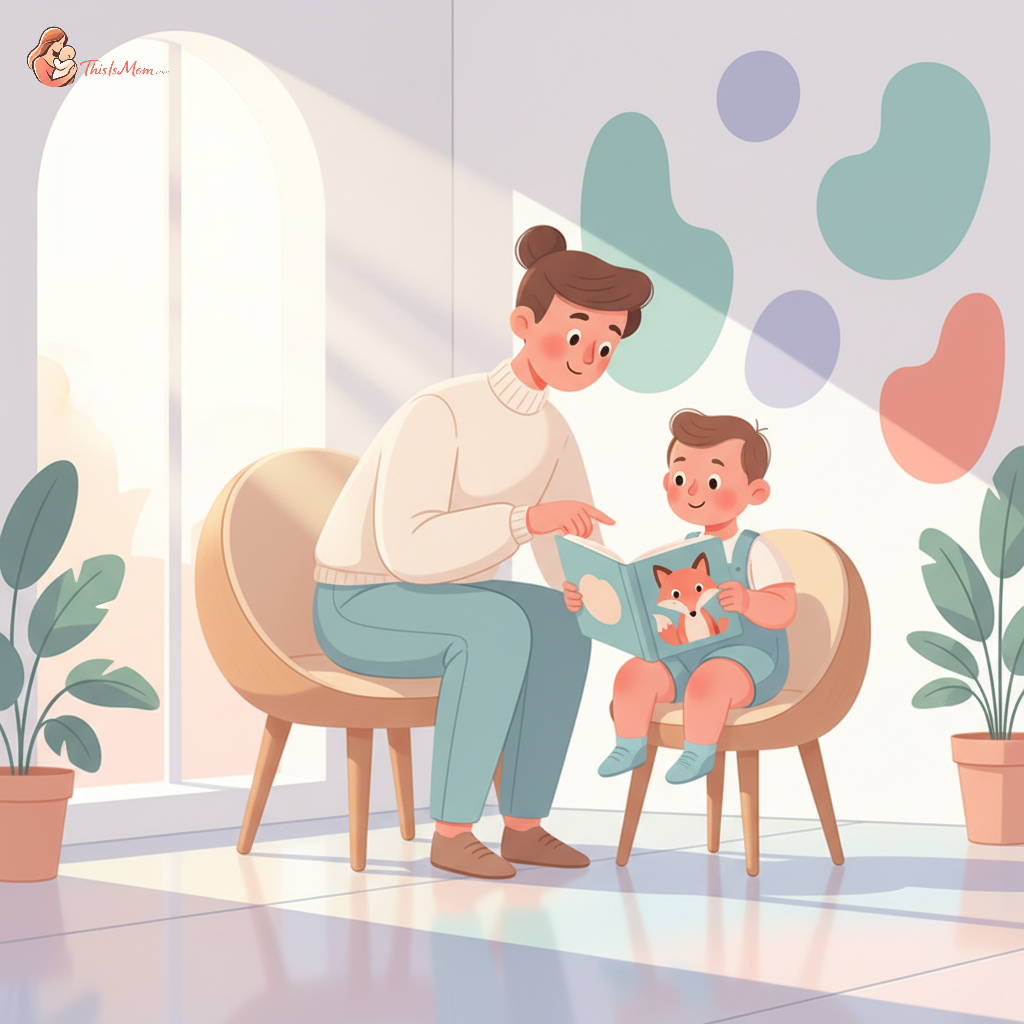
- Interactive board books and lift-the-flap adventures: These are gold. They offer tactile elements and surprises that keep little hands busy and minds curious. Stories about animals or vehicles are usually a hit.
- Miniature figures or animal sets for imaginative play: A few tiny dinosaurs, a couple of farm animals, or even some LEGO people can spark an entire world. They can have a "secret meeting" on the floor or a parade around the chair.
- Small puzzles or stackers for fine motor engagement: Think chunky wooden puzzles with few pieces, or a small set of nesting cups. These provide a satisfying challenge for developing fine motor skills.
The Art of Observation: Turning the Waiting Room into a Playroom
One of the most overlooked tools in our parenting arsenal is the environment itself. The waiting room, believe it or not, is a treasure trove of engagement opportunities if you know where to look.
I Spy, Seek-and-Find, and Color Games
This is a classic for a reason. Start with colors: "Can you find something blue?" Then move to objects: "I spy something round." For older toddlers, a simple "seek and find" game using the pictures on the wall posters can be surprisingly absorbing.
People-Watching: Inventing Stories About Others
This sounds a bit cheeky, but done quietly, it’s a fantastic way to build narrative skills and encourage observation. "Look at that person's hat! Where do you think they are going?" or "That baby is playing with a red car, maybe it's their favorite." Keep it light and imaginative.
Using Clinic Posters and Decor for Learning
Those health posters you usually ignore? They’re fantastic for toddlers. Point out the animals, name the body parts in a simple way ("See the knee?"), or count the apples on a chart. It turns a boring wall into a learning opportunity.
Quick & Clever Engagements: Verbal Games and Simple Activities
Sometimes, all it takes is your voice and a little imagination to shift a toddler's mood. These are perfect for those moments when you can't quite pull out a toy or book.
Discover your baby's phase
Singing Favorite Songs or Nursery Rhymes
Whether it's "Twinkle, Twinkle Little Star" or a current Disney hit, singing together is incredibly grounding. It creates a shared experience and provides a positive focus.
Asking Silly Questions and Telling Short Stories
"What if dogs could fly?" "If you were a superhero, what would your superpower be?" These open-ended questions spark creativity and laughter. Keep stories very short and simple, focusing on familiar characters or situations.
Finger Plays and Hand Games
Games like "Pat-a-cake," "Where is Thumbkin?" or "Itsy Bitsy Spider" are fantastic for keeping little hands and minds occupied. They require no props and are comforting because they're familiar.
Snack Attack! Strategic Bites for Calming Chaos
Hunger can be a major trigger for meltdowns, especially in a situation that requires patience. A well-timed, strategic snack can be a game-changer. The trick is choosing the right kind of snack.
- Mess-free, slow-to-eat snacks: Think Cheerios, small pretzel sticks, or pieces of dried fruit. Foods that require a bit of effort to chew and swallow can buy valuable time and focus.
- Bringing a special, reserved-for-waiting treat: A small box of raisins or a few cheese crackers that are only brought out for these specific situations can add an element of excitement and make the wait feel more manageable.
- The importance of hydration: Don't forget a water bottle! Sometimes thirst can masquerade as fussiness. Plus, the act of sipping can be calming.
When All Else Fails (And It Sometimes Will!)
Let's be real. There will be days when nothing works. The appointment is running late, your toddler is overtired, and the carefully curated toy bag is ignored. In these moments, give yourself grace.
Prioritizing Their Needs: A Quick Walk or Change of Scenery
If possible, a short walk outside or even just a stroll down a different hallway can reset the mood. Fresh air and a change of environment can work wonders.
The Power of Connection: A Comforting Hug or Silly Face
Sometimes, the best thing you can offer is your presence. A deep hug, a silly dance in your chair, or just holding their hand and offering quiet reassurance can be enough. This is where connection trumps distraction.
When to Consider a Brief Screen Moment (And How to Manage It Guilt-Free)
If you've tried everything and you're genuinely at your wit's end, or if your child is truly struggling, it's okay. A few minutes of a calm, engaging app or show can de-escalate a situation and help you both get through the appointment. The key is to set a clear, short time limit beforehand ("We'll watch for five minutes, then it's time to pack it up") and to treat it as a tool, not a default. You did your best to manage toddler screen time with pediatrician visits using other methods, and sometimes, this is what gets you through.
These moments in the waiting room are temporary. They are a small slice of the bigger picture of raising a child. By focusing on connection, simple engagement, and a bit of preparedness, you can navigate these times with less stress and more peace, proving that you don't always need a screen to keep your little one happy.