Managing Daycare Drop-Off Anxiety in 4-Year-Olds Suddenly
Is your 4-year-old suddenly experiencing daycare drop-off anxiety? Understand the triggers and discover effective strategies to help your child navigate this challenging phase with confidence.
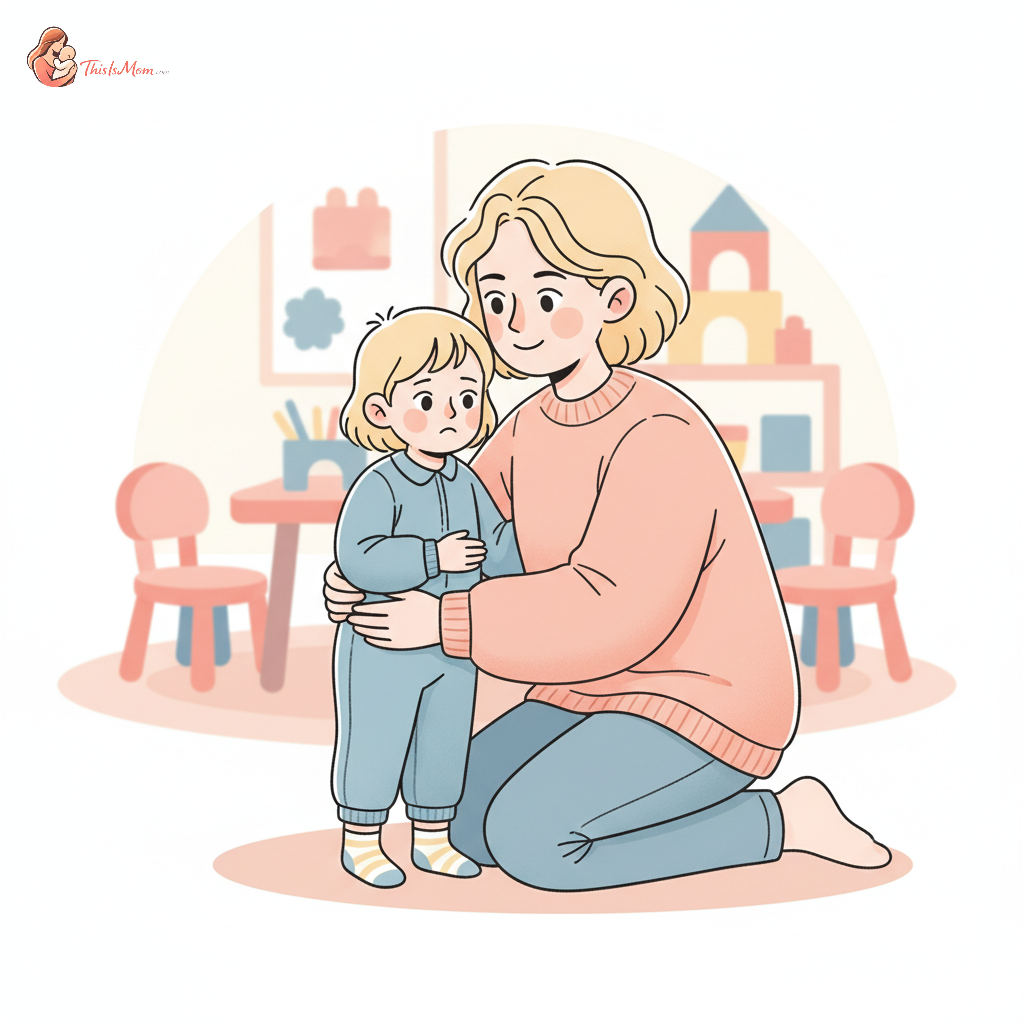
Managing Daycare Drop-Off Anxiety in 4-Year-Olds: A Sudden Shift
Your once-happy four-year-old has started melting down at daycare drop-off. What was once a smooth transition has suddenly become a tearful ordeal. This shift can be unsettling for both parent and child. Understanding why this is happening and how to manage it is key, especially when the anxiety appears out of the blue.
The prospect of managing daycare drop-off anxiety in 4-year-olds suddenly can feel overwhelming. Many parents find themselves grappling with this new separation anxiety. It’s important to remember that this is a common developmental stage, and there are evidence-based approaches to help your child navigate these feelings.
Why the Sudden Change? Understanding the Roots of Disquiet
It’s natural to wonder, "Why is my 4-year-old suddenly anxious at drop-off?" At four, children are experiencing significant cognitive and emotional growth. They are becoming more aware of themselves and their surroundings, which can sometimes lead to new fears and anxieties.
These anxieties often stem from a child’s understanding of separation. While they know they will see you again, the act of parting for a period can feel daunting as their sense of security is challenged. This is often a normal part of development, where a child might experience a daycare drop-off regression.
Is It Just a Phase or Something More? The Psychology Behind Four-Year-Old Fears
The psychology behind a four-year-old’s fears is complex. This age group is developing a stronger sense of independence but also a deeper understanding of their reliance on primary caregivers. The American Academy of Pediatrics (AAP) notes that separation anxiety is a common developmental stage and often peaks between 10-18 months but can resurface at various times.
For a four-year-old, a sudden onset of anxiety might be triggered by a variety of factors, or it could be a normal developmental spurt where new emotional awareness brings new challenges. Differentiating between a fleeting phase and a more persistent issue is about observing patterns and the intensity of the reaction. Research suggests that while temporary setbacks are common, persistent, overwhelming distress warrants closer attention.
Pinpointing the Triggers for Daycare Drop-Off Regression
When a four-year-old suddenly starts struggling with daycare drop-offs, looking for recent changes is a crucial first step. What might seem minor to an adult can feel significant to a young child.
Recent Changes at Home or Daycare
Any disruption to a child’s routine or environment can be a trigger. This includes:
- A new sibling in the household
- Moves to a new home
- Changes in parental work schedules
- A different caregiver at home
- New teachers or significant changes in routine at daycare
- Illness or hospitalization of a family member
These shifts can make a child feel insecure, and daycare, which represents a separation from their safe base, can become the focal point of their anxiety.
Developmental Leaps and New Anxieties
Around age four, children often experience significant developmental leaps. They are developing more complex imaginative play, perhaps encountering more intricate social dynamics, and their understanding of the world is expanding. This increased awareness can sometimes manifest as new fears, such as fear of darkness, monsters, or, in this case, separation.
This is a period where a child might exhibit sudden crying at daycare drop-off, even if they previously enjoyed going. It's a sign of their growing emotional landscape and their need for reassurance.
The Impact of Parental Stress and Routines
Children are highly attuned to their parents' emotions. If you are experiencing stress or anxiety about your child’s daycare experience, your child is likely to pick up on it. A rushed or harried goodbye, even if unintentional, can signal to your child that something is wrong.
Similarly, inconsistent morning routines can contribute to a child’s feeling of uncertainty. A predictable and calm approach from parents can make a significant difference in how a child experiences separation.
Strategies for Smoother Daycare Drop-Offs: Building Confidence
Once you’ve identified potential triggers, implementing practical strategies can help make daycare drop-offs easier for everyone involved. The goal is to build your child’s confidence in their ability to handle separation.
Pre-Drop-Off Rituals: Preparing for Separation
Establishing a consistent and positive pre-drop-off ritual can signal to your child that it’s time to transition. This might include:
- A special handshake or hug
- Reading a short book together
- Singing a favorite song
These small rituals create a sense of predictability and connection before the separation, making the transition feel less abrupt.
Quick Goodbyes: The Art of Reassuring Transitions
Discover your baby's phase
This is perhaps the most crucial strategy. Guidelines from organizations like the Mayo Clinic emphasize that lengthy, drawn-out goodbyes often increase a child's anxiety. While it's hard to walk away from tears, a quick, loving goodbye is generally best.
- Be decisive: Clearly state you are leaving, give them a hug and kiss, and let them know when you will return (e.g., "after nap time").
- Avoid sneaking out: This can erode trust.
- Hand over to the caregiver: Transition your child smoothly to the teacher, reinforcing that they are in good hands.
A calm and confident departure from you signals to your child that daycare is a safe and enjoyable place.
Communication with Caregivers: A United Front
Open and consistent communication with your child’s daycare providers is essential. Share your observations about your child’s anxiety and their triggers. Collaborate with the staff to develop a consistent approach.
Discuss the best time and method for goodbyes. Ensure the teachers are prepared to comfort your child and engage them in an activity immediately after you leave. A united front between home and daycare provides a stable environment for your child.
Navigating the Tears: What to Do When Your Child is Crying at Daycare Drop-Off
Seeing your child cry at daycare drop-off is tough. It’s natural to feel a pang of guilt or sadness. However, responding effectively can help your child overcome this hurdle.
Validating Emotions While Setting Boundaries
It’s important to acknowledge your child’s feelings without giving in to the demand to stay home. Say something like, "I know you feel sad because you want me to stay, and I understand that. It’s okay to feel sad, but it’s time for school now."
Then, proceed with the quick goodbye. Evidence suggests that children generally settle down within a short period after the parent leaves, especially when supported by caregivers.
Post-Drop-Off Strategies: Checking In and Moving Forward
After a difficult drop-off, resist the urge to hover or call repeatedly throughout the day. This can reinforce the idea that there's something to worry about. Instead, when you pick your child up, focus on reconnecting and positive reinforcement.
Ask them about their day, highlight the fun things they did, and praise them for being brave. This helps shift their focus from the anxiety of separation to the positive experiences of their day.
When to Seek Support from the Daycare Staff
If drop-off tears persist for weeks, or if your child is inconsolable for extended periods, it's worth discussing with the daycare staff. They have a lot of experience with children and separation anxiety and may have additional insights or strategies that have worked with other children.
They can also offer reassurance that your child is indeed engaging and happy once they have settled in, which can ease your own worries.
Knowing When to Seek Professional Guidance
While many instances of daycare drop-off anxiety are temporary and manageable with home strategies and caregiver support, there are times when professional guidance is beneficial.
Signs that Anxiety Might Be More Than a Phase
The U.S. Department of Health and Human Services suggests looking for persistent signs of distress. These might include:
- Anxiety that lasts for more than a few weeks and doesn't improve.
- Significant changes in eating or sleeping patterns.
- Extreme clinginess or avoidance of other activities.
- Physical complaints like headaches or stomachaches that occur primarily around drop-off times.
- A general withdrawal or significant change in overall behavior.
If these behaviors are impacting your child’s overall well-being and functioning, it's a signal to look deeper.
Talking to Your Pediatrician About Persistent Fears
Your pediatrician is an invaluable resource. They can assess your child’s overall development and rule out any underlying medical or emotional issues that might be contributing to the anxiety.
They can offer tailored advice and, if necessary, recommend specialists who can provide additional support.
Resources for Parental Support
Remember, you are not alone in this. Many parents navigate similar challenges. Online resources from organizations like the Child Mind Institute offer practical tips and support for addressing childhood anxiety. Connecting with other parents, perhaps through daycare networks or online forums, can also provide emotional comfort and shared strategies.