Weaning from Pumping: Manage Engorgement & Stop Comfortably
Learn how to comfortably wean from exclusive pumping and manage engorgement using gentle, gradual methods. Practical tips for relief & avoiding complications.
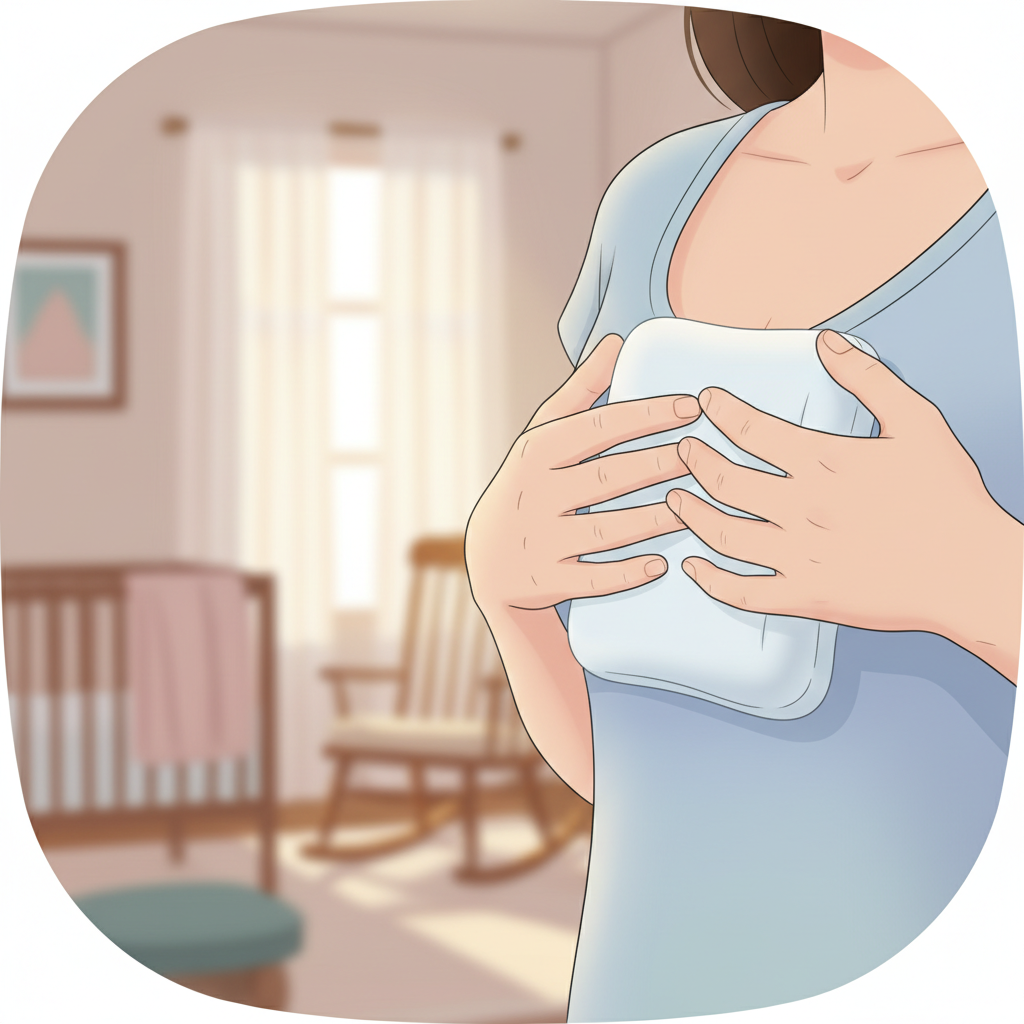
You Can Actually Stop Pumping: Managing Engorgement While Weaning from Exclusive Pumping
It was 2 AM. The house was silent except for the low hum of the electric pump and Noah's soft breathing from his bassinet. My breasts felt like lead balloons, aching with a fullness that was starting to feel… permanent. For months, this pump had been my constant companion, my lifeline to feeding my baby. And now, the thought of saying goodbye felt impossibly hard, even though I knew it was time. Weaning from exclusive pumping is a unique challenge, and many are unprepared for the physical and emotional rollercoaster.
It's More Than Just a Pump: Acknowledging Your Journey
If you've been exclusively pumping, you've dedicated an incredible amount of time and energy. It's not just about making milk; it's a significant part of your identity as a mom, especially in those early, all-consuming months. You’ve likely juggled work, life, and endless pumping sessions. You’ve learned the intricacies of your pump, the best flange size, the exact timing. This journey, while driven by love, has demanded a lot from you physically and mentally.
So, when it's time to stop, it's okay for it to feel complex. You might feel a wave of relief, mixed with a surprising pang of guilt or even sadness. There could be a sense of loss for the routine, the connection you felt through the milk you provided, or even just the predictable structure it offered. Acknowledging these feelings is the first step to managing them.
Common Feelings: Guilt, Relief, and Everything In Between
It’s completely normal to feel a tangled mess of emotions during this transition. You might feel guilty about not being able to "do it all" or worry about what this means for your baby’s nutrition. But then, there's that undeniable sense of freedom bubbling up – the thought of reclaiming your time, your body, your sleep. This duality is okay; you don't have to feel just one thing.
Many moms describe feeling like they’re "giving up" or letting their baby down. In reality, you are not. You are making a decision that’s right for your family now. You’ve already given so much.
Easing into Goodbye: Your Gentle Weaning Schedule
So, how do you actually do this without feeling like your breasts are going to explode? The key word here is gradual. A gradual reduction is the safest and most comfortable way to wean off exclusive pumping. Trying to stop cold turkey is a sure-fire way to invite discomfort and, potentially, bigger issues.
The idea is to slowly signal to your body that it doesn't need to produce as much milk. This means subtly reducing your pumping sessions over time, rather than eliminating them all at once.
The Power of Gradual Reduction: A Sample Pumping Weaning Schedule
This is just a template, remember. It’s about progressing at a pace that feels right for your body and supply.
- Week 1: Drop one pumping session. If you pump 8 times a day, aim for 7. Try to space them out.
- Week 2: Drop another session, aiming for 6. You can also slightly shorten the duration of your remaining sessions if comfortable.
- Week 3: Aim for 5 sessions. Continue to slightly reduce the time if your breasts feel less full.
- Week 4 onwards: Continue this pattern, dropping a session every few days or a week. Focus on how your body feels between sessions.
The goal isn't to try and empty your breasts completely during these reduced sessions. It's more about easing the pressure and signaling a decrease in demand.
Listening to Your Body: Adjusting Your Plan
This is so important. If you try to drop a session and feel painfully full or start to notice signs of engorgement, don't push it. Just go back to your previous schedule for a few extra days before trying again. Your body will tell you what it needs.
Some days might feel easier than others. If you have a particularly taxing day and feel more full than usual, it's okay to pump a tiny bit, just to relieve the immediate discomfort, and then get back on your schedule the next day. This isn't a race; it's a gentle transition.
How to Know When You're Done Weaning from Pumping
You'll know you're almost there when the time between sessions naturally lengthens without discomfort and your breasts feel significantly softer. Eventually, you'll reach a point where you can go hours without pumping and feel little to no fullness. That's your cue that your supply has adjusted and you've successfully weaned off exclusive pumping.
Taming the Engorgement Beast: Practical Tips for Relief
Engorgement is the primary concern for many—that feeling of your breasts being rock-hard, tender, and painful. It's your body’s signal that milk production is still high while demand is decreasing. Here’s how to manage it:
Strategic Pumping Sessions: Not Emptying, Just Softening
If you’re feeling painfully engorged between sessions, it’s okay to pump just enough to relieve the pressure. Think of it as a gentle "comfort pumping" rather than a full emptying. Your goal is to make them feel softer, not completely empty, as emptying them too much can actually stimulate more milk production.
This is a delicate balance. You want to avoid the pain, but also signal to your body that it doesn't need to keep making so much.
Cool Compresses & Cabbage Leaves: Old Wives' Tales That Actually Work?
Honestly, these are classics for a reason:
- Cold compresses: Applying a cold pack or a bag of frozen peas wrapped in a soft cloth to your breasts can work wonders for reducing swelling and pain. Do this for 15-20 minutes at a time, a few times a day.
- Cabbage leaves: This one sounds wild, but moms have sworn by it for generations. Chill clean, dry cabbage leaves in the refrigerator and place them inside your bra, trimming them to fit. The cooling effect and enzymes in the cabbage are thought to help reduce inflammation and discomfort. Many moms find this surprisingly effective.
Discover your baby's phase
Pain Relief Options: When to Reach for What
For general aches and pains, over-the-counter pain relievers like ibuprofen (Advil) or acetaminophen (Tylenol) can be helpful. They can reduce inflammation and ease discomfort. Always follow the dosage instructions on the package.
If you are breastfeeding or pumping, always check with your doctor or a lactation consultant before taking any medication to ensure it's safe for you and your baby.
What About Hand Expression? How Much is Too Much?
Hand expression can be a useful tool for targeted relief. If you have a specific lump or feel a spot of intense pressure, you can gently hand express just that area until it feels a little softer.
Again, the emphasis is on gentle and minimal. Don’t aim to drain the breast when hand expressing during weaning. It’s purely for localized comfort.
Beyond Engorgement: Avoiding Mastitis and Other Complications
The biggest fear for many moms weaning from pumping is mastitis – that painful, flu-like infection of the breast. Managing engorgement well is your best defense against it.
Recognizing the Warning Signs: When to Call Your Doctor
Mastitis can come on quickly. Be on the lookout for:
- A red, hot, swollen, and painful area on your breast.
- Fever.
- Chills.
- Flu-like symptoms (fatigue, body aches).
- A general feeling of unwellness.
If you experience any of these, it’s crucial to contact your healthcare provider immediately. Early treatment with antibiotics is usually necessary.
Keeping Ducts Clear: Gentle Massage Tips
Sometimes, blocked ducts can contribute to engorgement and pain. While you're weaning, if you feel a tender lump, you can try gentle massage:
- Massage towards the nipple with light pressure as you feel discomfort.
- You can also try gently massaging before a comfort pumping session.
- Warm compresses applied before or during massage can also help.
The Importance of Self-Care During Weaning
This is where you need to be extra kind to yourself. Your body is going through a significant change, and your emotions might be all over the place.
- Stay hydrated. Drink plenty of water.
- Eat nourishing foods.
- Rest as much as possible. Seriously, sleep when the baby sleeps, even if it’s just a short nap.
- Manage stress. Find small moments for yourself, even if it’s just five minutes of quiet breathing.
These aren't luxuries; they are necessities for helping your body navigate this transition.
Navigating the Final Stages: What to Expect
As you get closer to the end of your pumping journey, you might notice a few more shifts.
Hormonal Shifts and Mood Swings: They’re Real
As your milk supply diminishes and your hormones readjust, you might experience some moodiness. This is completely normal and often temporary. Be patient with yourself.
If you are struggling with persistent low mood, anxiety, or feelings of hopelessness, please reach out to your doctor or a mental health professional. Postpartum mood disorders are real and treatable.
Celebrating Your Pumping Journey: You Did Amazing Things!
Once you’re on the other side, take a moment to really appreciate what you accomplished. You provided nourishment for your baby through a method that demands sacrifice and dedication. You learned to manage your body, your equipment, and your time with incredible resilience.
This isn't just about stopping pumping; it’s about honoring your journey and all the hard work you’ve put in. You made choices that were right for you and your baby, and that’s always the best a mom can do. You’re entering a new, exciting phase, and you’ve got this.