Managing Engorgement When Pumping Isn't an Option
Find gentle, drug-free relief for breast engorgement when pumping isn't possible. Learn hand expression, cold therapy, and when to seek professional help.
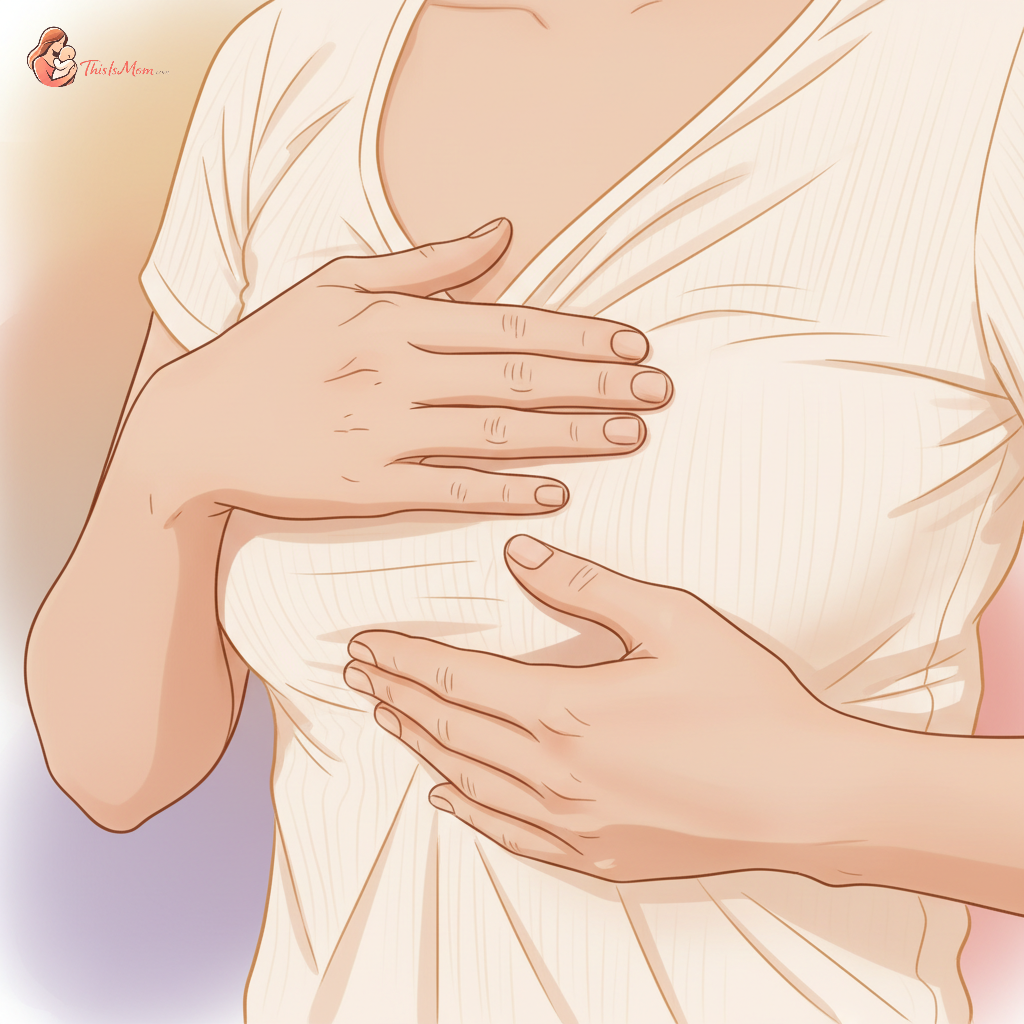
That Full, Aching Feeling: Managing Engorgement When Pumping Is Not an Option
It was 2 AM, and the pressure in my breasts felt like I’d swallowed two water balloons. My baby was finally asleep, but my body was wide awake, screaming. I’d heard about engorgement, of course. Every mom-to-be gets the lectures, the pamphlets, the well-meaning advice. But nobody prepared me for the sheer physical discomfort, especially when my trusty pump was tucked away in a closet.
Engorgement is that feeling when your milk comes in, or when you miss a feeding, or when your baby suddenly decides to sleep for a glorious (and terrifying) stretch. Your breasts become hard, swollen, and achy. It’s your body's way of saying, "Okay, I'm making milk, and a lot of it!"
Why Breasts Get Engorged
Engorgement happens when your milk production outpaces your baby's intake. Your body is still in that early phase of figuring out supply and demand. It can feel like your breasts are literally bursting.
This usually happens in the first week or two after birth as your milk is establishing. But it can pop up anytime your feeding schedule changes, your baby nurses less, or you have to be away from your baby longer than usual. It’s a common part of the breastfeeding journey, and it’s completely normal.
When the Pump Just Isn't an Option
Sometimes, the solution isn't as simple as grabbing your pump. Maybe your pump is broken, you’re traveling, or you’re just not a fan of pumping and prefer to avoid it. There are also times when pumping too much, or pumping too aggressively, can actually signal your body to make even more milk, which is the last thing you want when you’re already feeling like a human dairy farm.
There are moments when reaching for the pump feels like adding fuel to the fire. If you're exclusively nursing and your baby is a champ at emptying your breasts, you might not need a pump at all. Or perhaps you're dealing with a painful latch or a baby who is temporarily too sleepy to nurse effectively.
Drug-Free Relief Strategies for Immediate Comfort
So, what do you do when you’re engorged and the pump isn’t your friend? The good news is, there are plenty of ways to find relief without touching a single electrical component. These are my go-to, drug-free solutions for when you need immediate comfort.
First up, hand expression. This sounds intimidating, but it’s essentially a gentle way to manually release some milk.
- Hand Expression Techniques for Gentle Relief:
- Wash your hands thoroughly.
- Gently massage your breast towards the nipple.
- Cup your hand around your breast, with your fingers behind the areola.
- Press your fingers back towards your chest wall and then gently squeeze. Don’t pull forward.
- Aim to release just enough milk to take the edge off the pressure, not to fully empty the breast. You’re looking for a trickle, not a flow.
Cold therapy is another game-changer. It helps reduce swelling and can numb some of the pain.
- Cold Compresses and Cabbage Leaves:
- Cold Compresses: Wrap an ice pack or a bag of frozen peas in a thin towel and apply it to your breasts for 10-20 minutes at a time. This feels amazing when you’re feeling hot and throbbing.
- Cabbage Leaves: This one sounds wild, I know, but many moms swear by it. Rinse clean, chilled cabbage leaves and place them inside your bra, trimming to fit. The coolness and enzymes in the cabbage can help reduce swelling and inflammation. Change them out when they become limp or warm.
Sometimes, a little warmth can encourage a let-down and help ease the flow.
Discover your baby's phase
- Warm Showers or Baths for Temporary Let-Down: Before you try hand expression, a warm shower or a soak in the tub can help relax you and encourage milk to flow. This can be a great way to relieve some of that built-up pressure. Just be careful not to stay in too long, as too much heat can sometimes encourage more milk production.
Your bra situation matters too.
- Supportive Bras (or Going Braless): A well-fitting, supportive nursing bra can make a world of difference. Avoid anything too tight or underwired that could restrict milk flow. Some moms find that going braless at home is the most comfortable option. Experiment to see what feels best for you. A soft, stretchy bra was my best friend during those rough engorgement days.
Protecting Your Breast Health: Preventing Mastitis and Clogged Ducts
Managing engorgement isn't just about comfort; it's also about protecting yourself from more serious issues like clogged ducts and mastitis. These can be painful and lead to infection if not addressed.
Gentle massage can help keep milk flowing smoothly.
- Gentle Massage Techniques: While nursing or hand expressing, use gentle, upward strokes from the outside of your breast toward the nipple. You can also try gently massaging any lumpy areas to help break them up. Think of it as coaxing the milk out, not forcing it.
If your baby is available and willing, nursing is the best way to relieve engorgement.
- Frequent, Effective Nursing: Offer the breast frequently, especially if your baby seems interested. Sometimes their tiny mouths can do a better job of draining the breast than any other method. Try different feeding positions to ensure all areas of the breast are being stimulated and emptied.
It’s crucial to know when your body is trying to tell you something more serious is going on.
- Recognizing Warning Signs that Need Medical Attention: Keep an eye out for persistent lumps that don't go away after nursing or hand expression, or redness that starts to spread. These can be early signs of a clogged duct or mastitis.
When to Call for Help: Recognizing Red Flags
I know we all want to power through, but sometimes, you just need to call in the cavalry. Don't hesitate to reach out to your doctor or a lactation consultant if things aren't improving or if you suspect an infection.
- Signs of Infection (Fever, Red Streaks, Severe Pain): If you develop a fever, chills, body aches, or notice red, hot streaks on your breast, these are clear indicators of mastitis. You’ll likely need antibiotics, so don't delay in seeking medical advice. Severe, throbbing pain that doesn't ease with home remedies is also a sign something more serious is happening.
- Persistent Engorgement Despite Home Remedies: If you’ve tried all the tricks and your breasts remain painfully engorged, swollen, and hard for more than 24-48 hours, it's time to get professional help. They can assess the situation and offer tailored solutions.
- Speaking to a Lactation Consultant or Doctor: A lactation consultant (IBCLC) is an invaluable resource for all things breastfeeding. They can help troubleshoot engorgement, offer hands-on guidance with hand expression, and help you fine-tune your feeding strategies. Your doctor or OB/GYN can also rule out infection and guide you on any necessary medical treatments.
The truth is, those early days are a whirlwind of learning and adjusting. Engorgement is a tough part of that process, but you are stronger than you think. Trust your instincts, try these gentle methods, and remember that asking for help is a sign of strength, not weakness. You’ve got this, mama. Take a deep breath. You are doing amazing.