Beat First Trimester Fatigue with Kids: 10 Survival Tips
Struggling with first trimester fatigue while caring for toddlers or other children? Get practical tips for managing exhaustion, delegating tasks, utilizing screen time, and finding support to survive early pregnancy with existing childcare duties.
Surviving First Trimester Fatigue with Existing Childcare Duties
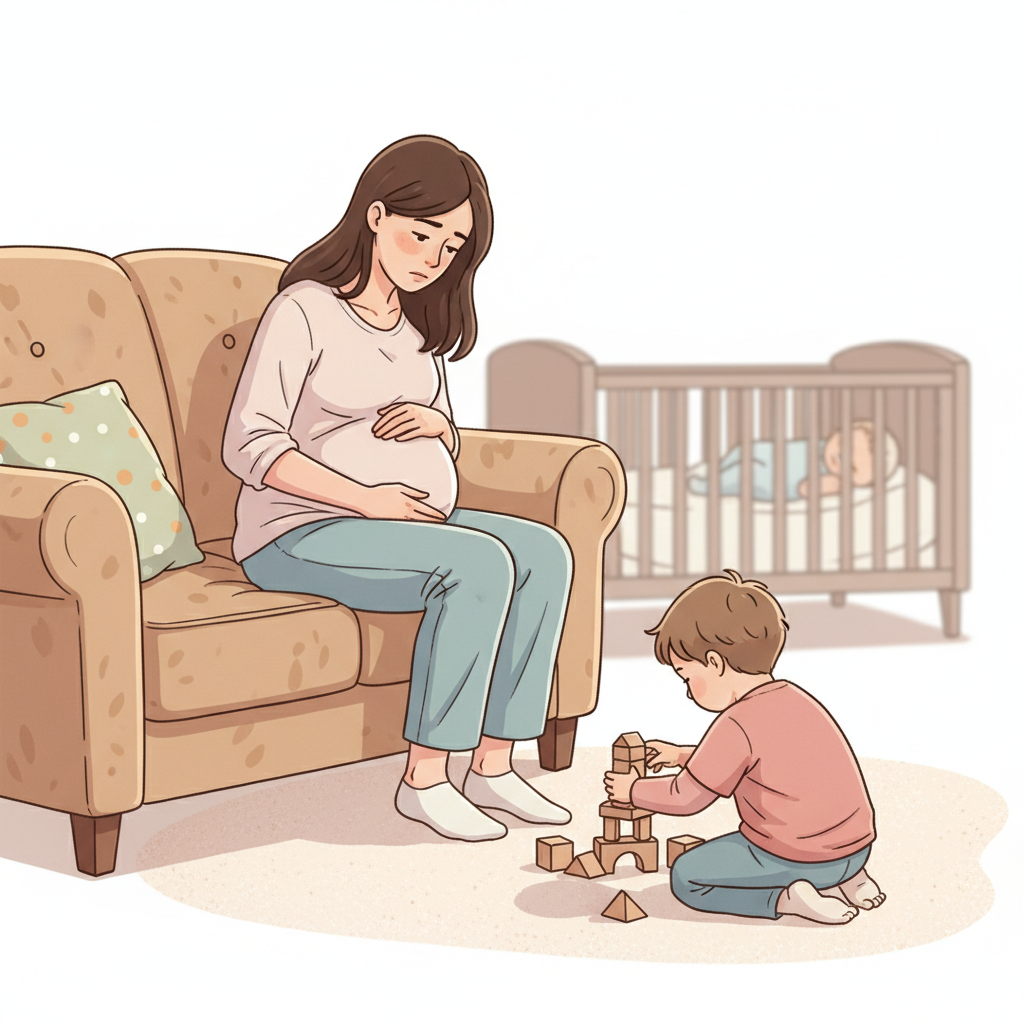
It was 6:15 a.m. and the sun was barely thinking about showing up. My 3-year-old, Leo, was already thumping around his room, and my 9-month-old, Noah, was stirring in his bassinet. My own body felt like it was running on fumes. My head was pounding, my eyelids were heavy, and the thought of getting out of bed felt like climbing Everest. This was managing first trimester fatigue with existing childcare duties, and nobody truly prepares you for the sheer, bone-deep exhaustion.
I knew pregnancy meant feeling tired. But this? This was a whole other level of overwhelming zombie-mode. It wasn't just Leo demanding breakfast and Noah needing a change; it was the actual physical weight of the exhaustion. It felt like I’d run a marathon in my sleep.
The Truth Is, You're Not Imagining It
Let’s be real: the first trimester is a physiological rollercoaster. Your body is undergoing massive hormonal shifts as it works overtime to create a human being.
Progesterone levels skyrocket, and this hormone is a notorious sleep-inducer. It’s your body’s way of saying, "slow down." But when you already have little ones running around, slowing down isn't exactly an option, is it? You’re the mom. You’re the caregiver. Your needs often take a backseat, no matter how depleted you feel.
So yes, you’re this tired. It’s completely normal. This extreme tiredness during early pregnancy can peak in the first trimester, often around 9 to 12 weeks, before starting to ease up for some.
But for us moms with more than one kiddo, the "when does first trimester fatigue end?" question feels a bit more complicated. Even when the hormones shift, the demands of multiple children don't.
Surviving: Lowering Your Standards and Asking for Help
When you’re in the thick of first-trimester fatigue with a toddler (and maybe a baby!), the Martha Stewart version of motherhood goes out the window. Survival mode is your new best friend.
This means rethinking what’s essential. Does the house need to be spotless? Probably not. Can dinner be mac and cheese for the third time this week? Absolutely.
- Delegate like your life depends on it. If you have a partner, talk to them. Can they handle bath time? Can they do the bedtime stories?
- Embrace "good enough." Your kids will likely be fine with cereal for breakfast. They will probably enjoy an impromptu dance party in their pajamas instead of a structured outing.
- Lower expectations for yourself. You are growing a human and keeping small humans alive. That is a Herculean feat.
Creative Play and Strategic Screen Time
Dealing with first trimester fatigue with a toddler can feel like trying to herd cats while simultaneously falling asleep standing up. It requires creative strategies.
When your energy levels are in the basement, elaborate games are probably not happening. This is where the magic of "independent play" comes in – even if it’s just a pile of blocks or a favorite stuffed animal.
And please, please, ditch the mom guilt about screen time. A carefully chosen cartoon or educational app can be a lifesaver. It gives you a precious 20 minutes to sit down, close your eyes, or just breathe without someone pulling on your leg.
Research suggests that moderate screen time, used strategically, is generally not harmful for young children, and frankly, it’s a survival tool for exhausted parents.
The Elusive Nap
Napping when pregnant with older kids? It feels like a joke, right? Either they need something, or the noise keeps you from drifting off, or you lie down and suddenly your brain decides it’s time to worry about everything.
My best advice here is to try to nap when your kids nap, or sometime during the day. Even 20 minutes can make a difference.
- Make your bedroom a sanctuary. Blackout curtains, earplugs, a white noise machine. Anything to create a conducive napping environment.
- Set realistic nap goals. Don't aim for a deep, restorative sleep. Aim for quiet rest. If you fall asleep, great! If you just lie there with your eyes closed, that’s still a win.
Talking Your Way Through It: Enlisting Your Village
Look, you can't do this alone. You need support. And that starts with clear communication, especially with your partner.
Discover your baby's phase
How to Explain First Trimester Fatigue to Your Partner
This is where real talk becomes really important. Your partner might not understand the depth of your exhaustion because they aren’t experiencing the hormonal shifts themselves.
Here’s what to try:
- Be direct about the physical symptoms. Don’t just say “I’m tired.” Say, “My body feels heavy, I’m nauseous often, and I feel utterly drained, like I have the flu, and it’s constant.”
- Explain the hormonal aspect. Mention that it’s not just lack of sleep; it’s your body working overtime due to pregnancy hormones.
- Tell them specifically what you need. Instead of “I need help,” try, “Could you please handle putting Leo to bed tonight?” or “I need to lie down for 30 minutes after work. Can you make sure the kids are occupied?”
- Share articles or talk to your doctor. Sometimes, hearing it from an external source can help them understand.
Leaning In (Without Shame)
Don't be afraid to ask for help from friends, family, or even paid help if it’s within your means.
- Grandparents to the rescue. If they’re nearby and able, let them help with childcare, laundry, or meals.
- Friends who get it. A mom friend who has been through this might just need to know you need her to come over and entertain the kids for an hour so you can sit.
- Consider a mother’s helper or cleaning service. Even a few hours of help can feel like a vacation when you’re this depleted. There is no shame in needing and accepting support.
Boundaries Are Your Friend
This is a tough one, especially when you’re a people-pleaser. But you have to say no sometimes.
- Say no to extra commitments. If your social calendar is packed, it’s okay to decline invitations.
- Say no to favors. If a friend asks you to dog-sit or help them move, and you’re running on empty, it’s okay to say no.
- Your priority is you and your existing children (and the new one on the way). Protecting your energy is crucial.
When the Tiredness Feels Like More
While first-trimester fatigue is totally normal, there are times when the exhaustion might be a sign of something else. It's important to distinguish between normal pregnancy tiredness and something more concerning.
- Anemia. Iron deficiency is common in pregnancy and can cause profound fatigue. Your doctor will monitor this with blood tests.
- Thyroid issues. Less common, but thyroid imbalances can also lead to extreme fatigue.
- Depression or anxiety. The hormonal shifts can trigger or exacerbate mental health challenges, and fatigue can be a symptom.
Can Overworking Affect Pregnancy in the First Trimester?
Yes, absolutely. Pushing yourself too hard when your body is already stressed can take a toll.
If you're working long hours on top of childcare, listen to your body. Are you experiencing significant stress, or are you not getting enough rest? This can indirectly impact your well-being and, by extension, the pregnancy.
Always talk to your doctor if you’re concerned about any symptoms, including intense fatigue, dizziness, headaches, or shortness of breath. They can rule out any underlying issues and offer personalized advice.
The Light at the End of the Tunnel
The good news? Most of us do start to feel a shift. The second-trimester energy boost is a real thing for many women.
As your body adjusts to the new hormonal balance and the placenta takes over more of the work, that overwhelming fatigue often starts to lift. You might find yourself feeling more like yourself, with more energy to tackle your day.
But here’s the thing: even if that boost doesn’t come as strongly as you hope, or if motherhood just keeps you busy in other ways, you’ve learned powerful survival skills. You’ve navigated the hardest part.
Embrace self-compassion. You are doing an incredible job under very demanding circumstances. You are not failing. You are in the trenches, growing a family, and that is something to be immensely proud of.