Postpartum Rage: Coping Without Medication
Discover non-medication coping strategies for managing intense postpartum rage. Learn to manage anger, irritability, and emotional overload after childbirth.
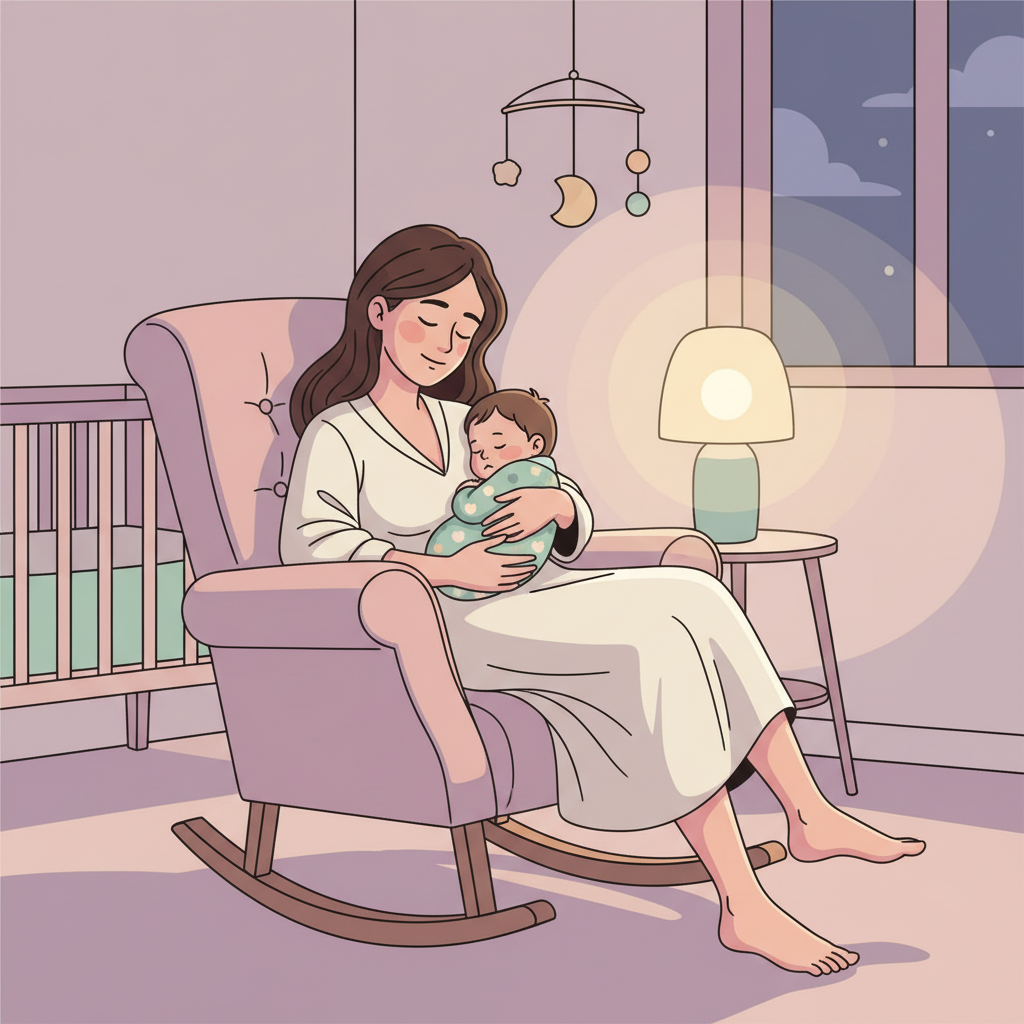
- Focus on your senses: What do you see? (Noah’s tiny hand gripping your finger). What do you hear? (His soft breathing). What do you feel? (The weight of him against you, the fabric of your shirt).
- Deep breathing: Inhale slowly through your nose, hold for a few seconds, exhale even slower through your mouth. Repeat. It sounds cliché, but it can trick your nervous system into calming down.
- Count: Slowly count to ten, or twenty, or even fifty. This gives your brain a distraction.
Look, you need safe ways to release physical tension. When rage is boiling, your body needs an outlet.
- Clench and release: Make fists as tight as you can, hold for a few seconds, then release. Do this with your hands, your shoulders, your toes.
- Go for a walk (if possible): Even a lap around the block with the baby can help. Movement is a great antidote to pent-up energy.
- Scream into a pillow: Seriously. It sounds absurd, but holding it in is worse. A pillow is a safe buffer.
Communicating your needs is key, though it’s tough when you’re feeling so volatile. Try to express what you’re feeling before it explodes.
- Use "I" statements: "I am feeling overwhelmed right now" is better than "You always make me feel..."
- Ask for space: "I need five minutes alone" is a reasonable request.
- Be direct, but calm: "I’m really struggling with the noise right now. Could we try to lower the TV volume?"
Longer-Term Strategies for Postpartum Emotional Balance
Managing postpartum rage symptoms without medication coping strategies isn’t just about putting out fires; it’s about building resilience.
Prioritizing connection and support is crucial. You need your village, even if it’s small.
- Talk to your partner: Be honest about how you’re feeling, even the messy parts. Schedule check-ins. Involve Your Birth Partner in Prenatal Appointments for Stronger Support.
- Lean on friends and family: Let them help, even if it’s just bringing over a meal or holding the baby while you shower.
- Connect with other moms: Online forums, local mom groups, or even just texting another new mom can remind you that you’re not isolated. Sharing experiences can be incredibly validating. Connecting with others can also be key when dealing with managing anxiety when baby only sleeps on me postpartum.
Finding moments for self-care, no matter how tiny, can make a huge difference. This isn't about spa days; it’s about basic survival.
Discover your baby's phase
- Five minutes of quiet: Sit on the porch, stare out the window, listen to a favorite song.
- Nourish yourself: Eat regular, decent meals. Hydrate. For essential postpartum bowel movement recovery, consider gentle tips for a better postpartum bowel movement experience.
- Shower: It’s a basic human need, and often feels like a luxury.
- Ask for a break: Even 15 minutes where someone else is solely responsible for the baby allows you to reset.
Adjusting expectations for yourself and your home is a game-changer. The Instagram-perfect mom isn't real.
- Lower your standards (for now): The house doesn't need to be spotless. Dinner can be takeout. Laundry can wait. Your priority is you and the baby.
- Accept imperfection: You will make mistakes. Noah will have a blowout an hour after a diaper change. That’s okay. For example, if your toddler only eats white foods like bread and pasta, be patient.
- Celebrate small wins: You got through another feeding. You showered. You’re still here. That’s a win.
When to Seek Professional Support
Listen, I’m all for moms digging deep and finding their strength. But sometimes, the rage is too much to manage on your own. It’s okay, and actually really brave, to ask for help.
Recognizing when self-help isn’t enough is a sign of wisdom, not weakness.
- If the rage is affecting your ability to bond with your baby.
- If you’re having thoughts of harming yourself or your baby.
- If your relationships are seriously suffering. Consider reading about strategies to reclaim personal identity after motherhood ppd.
- If you simply cannot find any relief, no matter what you try.
Talking to your doctor or a therapist is a vital step. Don’t wait until you hit a breaking point. This can also be related to navigating fmla for mental health leave during postpartum period.
- Be honest: Tell your OB-GYN or primary care physician exactly how you’re feeling. Use specific examples of your anger.
- Ask for a referral: They can connect you with mental health professionals who specialize in postpartum issues.
- Consider therapy: A therapist can provide tools and strategies tailored to your specific situation and help you process the intense emotions. Cognitive Behavioral Therapy (CBT) and other talk therapies can be very effective for managing anger.
There are also amazing resources available for postpartum mental health. Organizations like Postpartum Support International (PSI) offer helplines, online support groups, and directories to find local professionals. The National Maternal Mental Health Hotline is also available at 1-833-TLC-MAMA (1-833-852-6262). Remember, seeking professional help for postpartum irritability treatment or any intense postpartum anger is a sign of strength.
This journey is messy, unpredictable, and totally unlike anything you could have imagined. When postpartum rage hits, remember that you are not defined by this anger. It’s a symptom of an overwhelmed system, a body and mind recovering from a monumental event. Be gentle with yourself. You’re doing the best you can, and that is always, always enough.