Manage Pregnancy Restless Legs: 10+ Non-Medication Tips
Combat pregnancy-induced restless legs (RLS) without medication. Discover effective tips on diet, exercise, sleep, and home comfort measures for relief.
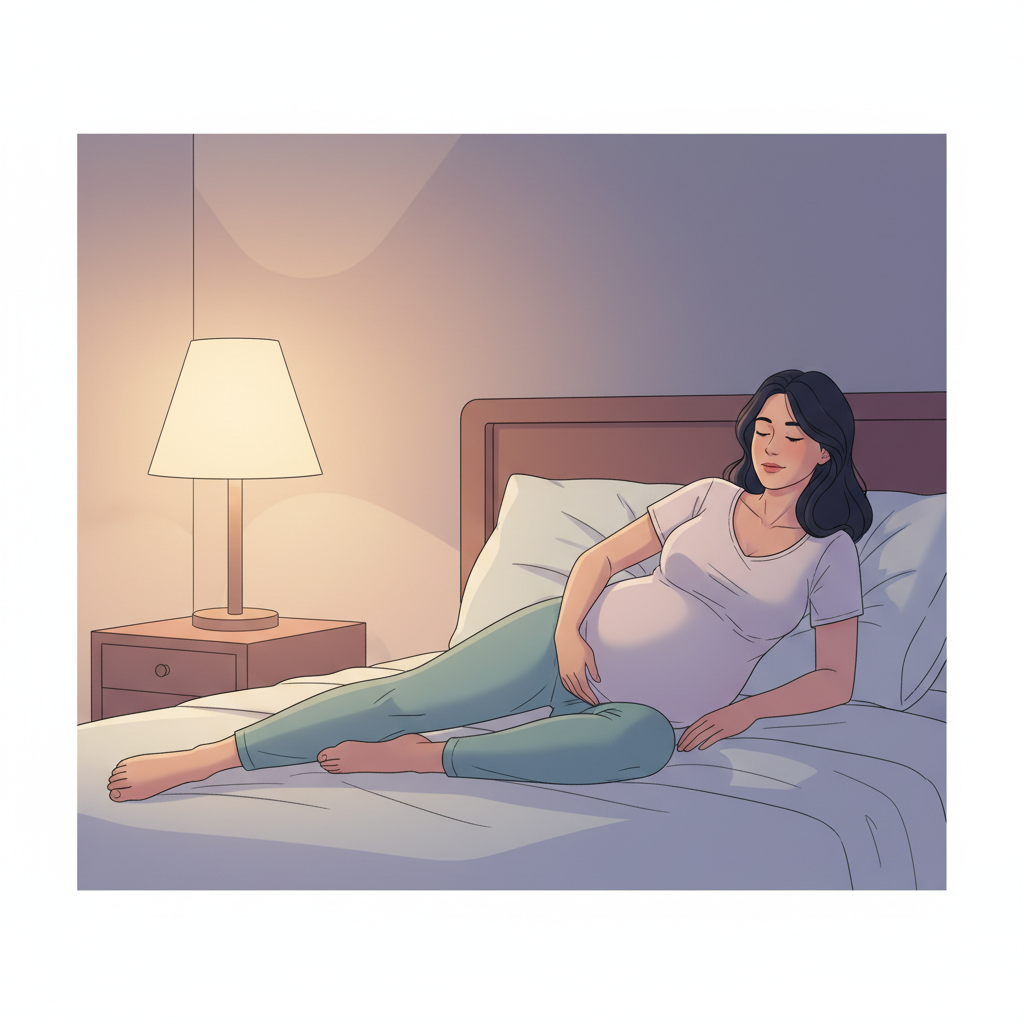
Finding Peace for Your Legs: Managing Pregnancy-Induced Restless Legs Without Medication
It's completely normal to wonder what’s happening when your legs start acting up at night during pregnancy. That irresistible urge to move, the creeping sensations, the sleepless nights – it can be incredibly frustrating. You're not alone, and thankfully, there are many effective ways to manage pregnancy-induced restless legs without medication. My experience supporting friends through the shifts of pregnancy has shown me that often, the simplest, most connected-to-your-body approaches offer the most profound relief.
This isn't about finding the "right" way, but about exploring options that resonate with you and your pregnancy journey. Your body is wise, and by listening to its cues and making informed choices, you can navigate this common discomfort with more ease and bring more rest into these beautiful, transformative months.
Unpacking the Urge: What’s Really Going On?
Pregnancy can bring about a whole host of new sensations, and restless legs syndrome (RLS) is a frequent visitor for many expectant mothers. It's typically described as an uncomfortable, sometimes even painful, urge to move your legs, especially when you’re resting or trying to sleep. This sensation can range from an itchy or crawly feeling to a deep ache.
What Triggers Restless Legs During Pregnancy?
While the exact cause of RLS isn't fully understood, several factors are thought to contribute to restless legs during pregnancy. Fluctuations in hormones, particularly dopamine, are a significant area of interest. Dopamine plays a role in regulating movement, and when levels change, it can affect how your body signals sensations.
Another common culprit is a deficiency in certain nutrients. Low levels of iron and folate have been strongly linked to RLS symptoms. Your body’s increasing demands during pregnancy can sometimes deplete these vital stores.
When Do You Get Restless Legs in Pregnancy?
RLS can pop up at any point during pregnancy, but many women report noticing it more as their pregnancy progresses. It tends to be more prevalent in the second and third trimesters of pregnancy.
Restless Legs in Pregnancy: 2nd Trimester vs. 3rd Trimester
The experiences in the second trimester of pregnancy might feel like a nuisance, a bit of an annoyance that interrupts your sleep. As you move into the third trimester of pregnancy, however, RLS can sometimes intensify. The physical demands of carrying a growing baby, increased pressure on your circulatory system, and further hormonal shifts can all play a role in making the sensations more pronounced and disruptive.
Nourishing Your Body for Happier Legs (and Better Sleep)
When it comes to managing restless legs in pregnancy, what you eat can make a tangible difference. Focusing on nutrient-dense foods is a powerful, non-medication strategy you can implement right away.
Boosting Iron and Folate Intake
Iron and folate are superstars when it comes to RLS relief. Iron is crucial for red blood cell function, and a deficiency can lead to those uncomfortable leg sensations. Folate, also known as folic acid, is vital for cell growth and repair.
- Iron-rich foods: Think lean red meats, poultry, fish, beans, lentils, spinach, and fortified cereals. Pairing iron-rich foods with Vitamin C (like citrus fruits or bell peppers) can significantly enhance absorption.
- Folate-rich foods: Leafy green vegetables (kale, spinach), broccoli, asparagus, and fortified grains are excellent sources.
Magnesium: The Calming Mineral
Magnesium is a mineral that plays a role in muscle and nerve function, and it’s well-known for its calming properties. Many women find that increasing their magnesium intake helps to soothe their restless legs.
- You can find magnesium in nuts and seeds (almonds, pumpkin seeds), dark leafy greens, whole grains, and dark chocolate. Your provider might also discuss magnesium supplementation if dietary intake isn't sufficient.
Hydration and Electrolyte Balance
Dehydration can sometimes exacerbate RLS symptoms. Ensuring you’re drinking plenty of water throughout the day is essential. Balancing your electrolytes – like sodium, potassium, and magnesium – is also important for nerve and muscle function.
- Water: Aim for at least 8-10 glasses of water daily.
- Electrolytes: Foods like bananas (potassium), yogurt, and avocados can help maintain electrolyte balance.
Movement and Mindfulness: Soothing Your Senses
Sometimes, the key to quieting those restless legs lies in gentle movement and mindful relaxation. These strategies help you connect with your body and release built-up tension without medication.
Gentle Stretches and Light Exercise
While high-impact exercise might not be ideal, certain types of movement can be incredibly beneficial.
- Stretching: Focus on calf stretches, hamstring stretches, and quad stretches. Gently leaning against a wall with one leg back, keeping the heel on the floor, can ease calf tightness.
- Walking: A short, brisk walk in the evening can sometimes help, but pay attention to how your body responds.
- Prenatal Yoga: This can be a wonderful way to incorporate gentle movement, stretching, and breathing techniques into your routine.
Massage Techniques for Restless Legs
Directly addressing the sensations through massage can offer immediate relief for many.
- Self-massage: Gently rub or knead your calves, thighs, and feet. You might find using a massage roller or a tennis ball helpful for applying deeper pressure.
- Partner massage: If you have a partner, ask them to give your legs a soothing massage. Using lotion can enhance the experience.
- Focus on circulation: Gentle strokes moving from your feet upwards towards the heart can support blood flow.
Mindfulness and Relaxation Practices
Calming your mind can often help calm your body. When you’re anxious or stressed, RLS can feel worse.
Discover your baby's phase
- Deep breathing: Simple, focused breathing exercises can reduce overall tension. Try inhaling deeply through your nose, holding for a few seconds, and exhaling slowly through your mouth.
- Meditation: Even just a few minutes of guided meditation can shift your focus away from discomfort and promote relaxation. Apps dedicated to pregnancy can often provide suitable meditations.
Crafting Your Sleep Sanctuary for Peaceful Nights
Your bedroom environment plays a crucial role in managing RLS. Optimizing your sleep space can make a significant difference in whether you can finally drift off to sleep. This is about creating a space that signals rest and comfort to your body.
Optimal Sleep Environment Tips
The goal is to make your bedroom as conducive to sleep as possible.
- Darkness: Use blackout curtains to make your room as dark as possible. Even small amounts of light can disrupt sleep.
- Cool Temperature: A cooler room is generally better for sleep. Experiment to find the temperature that feels most comfortable for you.
- Quiet: Minimize noise as much as possible. Earplugs or a white noise machine can be helpful if external sounds are an issue.
The Power of a Consistent Bedtime Routine
Your body thrives on routine, and establishing a predictable wind-down period can signal that it’s time to rest.
- Limit screen time: The blue light from phones and tablets can interfere with melatonin production, a hormone that regulates sleep. Aim to put them away at least an hour before bed.
- Relaxing activities: Engage in quiet, calming activities like reading a book, listening to gentle music, or taking a warm bath.
When to Adjust Your Sleep Position
Finding a comfortable sleep position can be a challenge throughout pregnancy, and it can also impact RLS.
- Pillows: Use plenty of pillows to support your body. A pregnancy pillow can be invaluable for propping up your belly, hips, and back.
- Elevate legs: Sometimes, slightly elevating your legs with a pillow can help reduce pressure and discomfort.
- Avoid pressure: Try to avoid sleeping on your back, especially in later pregnancy, as this can compress major blood vessels. Side sleeping, particularly on your left side, is often recommended.
Comfort Measures to Try At Home
Beyond diet and lifestyle, several comforting, drug-free remedies can offer relief. These are often tried-and-true methods passed down through generations and supported by anecdotal evidence.
Warm Baths and Epsom Salts
A warm bath can be incredibly soothing for achy muscles, and adding Epsom salts can enhance the effect. Epsom salts are rich in magnesium, which may help relax muscles and ease RLS symptoms.
- Temperature: Ensure the bathwater is comfortably warm, not hot, to avoid overheating.
- Duration: Aim for 15-20 minutes.
Compression Stockings: A Surprising Ally?
Some women find that wearing compression stockings during the day can help improve circulation and reduce leg sensations at night. While they might not work for everyone, they're a non-invasive option worth considering.
- Fit: Ensure you have the correct size and compression level, as recommended by your provider.
- Timing: Wear them during the day, and remove them at night.
Temperature Therapy (Hot vs. Cold)
Experimenting with temperature can help some individuals find relief.
- Warm compress: A warm compress or heating pad applied to the legs can relax muscles.
- Cold compress: Conversely, some people find relief from a cold compress or ice pack wrapped in a cloth.
- Experiment: Pay attention to what feels best for your body, as responses can vary.
When to Converse with Your Doctor About Restless Legs
While many strategies focus on home care and lifestyle adjustments, it's important to know when to involve your healthcare provider. They are your best resource for personalized advice and addressing any underlying concerns.
Recognizing Signs That Warrant Medical Advice
You’ll want to discuss your RLS symptoms if they are:
- Significantly disrupting your sleep and daily functioning.
- Accompanied by other unusual symptoms.
- Not responding to the home remedies you’ve tried.
- Causing you significant distress or anxiety.
Communicating Your Symptoms Clearly
When you speak with your OB or midwife, be prepared to describe your symptoms.
- What it feels like: Is it an urge to move, an ache, a tingle?
- When it happens: Is it primarily at night, when resting?
- What makes it better or worse: Does movement help? Does heat or cold offer relief?
- Impact on sleep: How many nights a week is your sleep affected?
Beyond Lifestyle: Exploring Options with Your Provider
Your provider can assess your individual situation, which may include checking your iron and magnesium levels. If RLS is severe and significantly impacting your quality of life, they can discuss if there are any safe, pregnancy-appropriate interventions or further diagnostic steps to consider, beyond the lifestyle approaches. They will guide you on what is best for you and your baby.
Your pregnancy journey is unique, and so is how your body experiences its changes. You are the expert on your own experience. Trust your instincts, explore these options to find what brings you comfort, and remember that taking care of yourself is a powerful act throughout this incredible time.