Managing Pregnancy Nausea While Working in Office
Combat pregnancy nausea at work with practical tips for discreet relief. Learn about snacks, senses, movement, and when to talk to your boss or doctor.
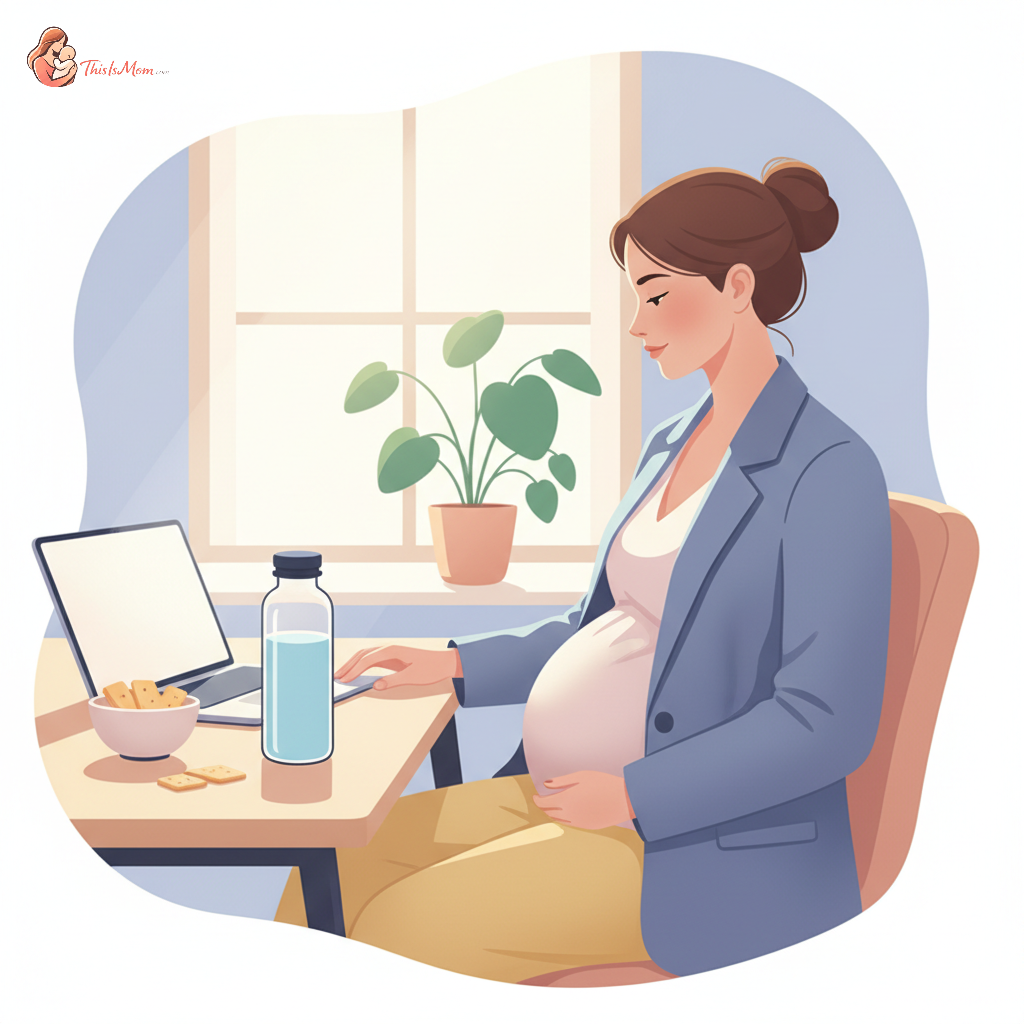
Managing Pregnancy Nausea While Working in an Office: A Comprehensive Guide
It's completely normal to wonder how you'll navigate the waves of pregnancy nausea while trying to maintain your focus and professionalism at the office. This unexpected symptom can feel particularly tricky when you're in a shared space, surrounded by colleagues and professional expectations. For many, the first trimester brings this feeling of queasiness, and for some, it can linger. Let's explore some strategies for managing pregnancy nausea while working in an office discreetly and effectively.
Setting the Scene: Morning Sickness in the Office Ecosystem
Many mamas-to-be experience morning sickness during pregnancy, but the office environment can amplify its challenges. It’s a unique setting where you might feel more exposed, or simply less able to react instinctively to a sudden urge of queasiness.
The Peak and the Persistence
While the term "morning sickness" implies it only strikes in the AM, it can unfortunately show up at any time of day. For most, the most intense weeks for nausea are typically between weeks 6 and 12 of pregnancy, often when hormone levels are rising most rapidly. However, for some, it can start earlier and persist well into the second trimester, or even throughout the entire pregnancy. Understanding that this is a temporary, albeit challenging, phase, can offer some comfort.
The Office Effect
Why does it feel different at the office? For starters, you're often seated for extended periods, which can sometimes exacerbate nausea. The smells in an office – coffee brewing, microwaved lunches, perfumes – can also be significant triggers that you might not notice or have as much control over at home. Furthermore, the pressure to appear "normal" and productive can add a layer of stress, which itself can sometimes worsen nausea.
Your Discreet Defense: Savvy Strategies for Relief at Your Desk
The good news is that there are many effective, subtle ways to combat nausea right from your desk. These strategies are designed to be used without drawing undue attention.
Hydration and Snacking Hacks for Your Workspace
Staying hydrated and preventing your stomach from getting too empty are crucial. Small, frequent sips of water, ginger ale, or electrolyte drinks can make a difference. Keeping a stash of bland, easy-to-digest snacks at your desk is also a game-changer.
- Snack Ideas:
- Plain crackers (saltines, rice cakes)
- Dry cereal
- Pretzels
- Unsalted nuts or seeds
- Apple slices
- Plain toast or bread
- Hard-boiled eggs
The key is variety and avoiding anything too strong-smelling or greasy. Ginger, in the form of ginger candies or ginger tea, is a well-loved remedy for many.
Sensory Diversions: Scents, Sounds, and Sights
Our senses can be powerful triggers or providers of relief. Be mindful of what's around you and how you can subtly shift your sensory experience.
- Scents: Keep a small rollerball of peppermint or lemon essential oil handy. A subtle sniff can sometimes help clear your head. Some people find a small piece of citrus peel surprisingly effective. Open a window if possible for some fresh air.
- Sounds: Listening to calming music or a podcast through headphones can help distract your mind from the nausea. Sometimes, simply focusing on the rhythm of your breathing can also be grounding.
- Sights: If you can, position your desk to face a window or a less stimulating view. Decluttering your immediate workspace can also create a sense of calm.
Movement and Fresh Air: Small Changes, Big Impact
Even short bursts of movement and fresh air can significantly alleviate pregnancy nausea.
- Short Breaks: Step away from your desk for a few minutes every hour. A quick walk to the restroom, to the water cooler, or even just to stretch your legs can help.
- Fresh Air: If your office has an outdoor space, even a few minutes spent breathing in fresh air can be incredibly restorative. If not, standing near an open window is the next best thing.
- Gentle Movement: Simple stretches at your desk, like rolling your shoulders or gently rotating your neck, can help reduce tension that might be contributing to nausea.
Navigating Disclosure: When and How to Talk to Your Boss or Team
Deciding whether and when to disclose your pregnancy and its symptoms to your employer is a personal choice, influenced by your workplace culture and your comfort level.
Assessing Your Workplace Culture
Discover your baby's phase
Consider how open and supportive your workplace typically is regarding personal health matters. Are your colleagues generally understanding? Does your company have policies that support employees through life changes? This assessment can guide your decision.
Crafting a Communication Plan
If you decide to share, consider a private conversation with your direct manager first. You don't need to go into great detail. A simple, "I'm experiencing some pregnancy-related nausea, which can make me feel a bit under the weather at times. I'm working on managing it and wanted to keep you informed," sets expectations without oversharing. You can then decide if and how you want to share with your team, perhaps in a more casual way once your manager is aware.
Setting Boundaries and Managing Expectations
You might need to adjust your schedule slightly. Perhaps you need to start a little later or take more frequent short breaks. Clearly communicating these small, necessary adjustments beforehand can help your team understand and accommodate them. Focus on how you are working through morning sickness and your commitment to your role.
Practical Adjustments: Making Your Work Environment Nausea-Friendly
Small modifications to your workspace and routines can make a big difference in dealing with pregnancy symptoms at work.
How to Handle Office Work During Pregnancy?
The core of handling office work is proactive management. This means being prepared with your snacks, sips, and sensory tools. It also means being attuned to your body's signals and taking those small breaks before nausea becomes overwhelming.
How to Work a Desk Job While Pregnant?
For a desk job, optimizing your immediate surroundings is key. Ensure you have good ergonomics, which can sometimes indirectly help with nausea by reducing overall physical discomfort. Keep a small fan if the air can feel stuffy. If possible, change your seating position periodically.
Optimizing Your Personal Workspace
- Scent Control: Politely ask colleagues to be mindful of strong perfumes or lunches if you find certain smells trigger your nausea.
- Air Flow: If possible, position your desk near a window or ensure good general ventilation. A small personal fan can also help circulate air.
- Comfort: Ensure your chair and desk setup are comfortable. You might consider a footrest or a lumbar support cushion.
- Accessibility: Keep your go-to snacks, water bottle, and any comfort items (like a small blanket or acupressure bands) within easy reach.
When to Prioritize Rest: Knowing Your Limits and Seeking Support
While many manage pregnancy nausea at work with strategies, it’s essential to recognize when you need more.
Can I be Off Work with Pregnancy Nausea?
Severe nausea and vomiting in pregnancy (known as hyperemesis gravidarum) is a serious medical condition that can absolutely warrant time off work. If your nausea is debilitating, affecting your ability to stay hydrated, keep down food, or function at all, it’s crucial to consult your healthcare provider. They can assess your situation and discuss medical leave options.
Signs It's Time to Take a Break or Talk to Your Doctor
Listen to your body. If you are experiencing any of the following, it's a good indication to seek medical advice:
- Inability to keep any food or liquids down for more than 24 hours.
- Significant weight loss.
- Dizziness or fainting.
- Dark urine or infrequent urination, suggesting dehydration.
- Fever or chills.
- Persistent vomiting that is impacting your daily life and well-being.
Your OB or midwife is your best resource for understanding the severity of your symptoms and what care you might need.
Leaning on Your Support System (at Home and Work)
Don't hesitate to lean on your support system. This includes your partner, friends, and family at home. At work, trusted colleagues or an understanding manager can be invaluable. Sometimes, just knowing you have a supportive environment can make a significant difference in how you cope.
You’ve got this. Your body is doing an incredible thing, and creating a supportive environment, both at home and at work, is part of honoring that journey. Remember, you are capable and deserving of comfort and care. Do what feels right for you and your pregnancy.