Managing Pregnancy Nausea at Work: Discreet Office Tips
Combat pregnancy nausea at the office with these discreet tips for working moms-to-be. Learn about triggers, desk hacks, and managing symptoms professionally.
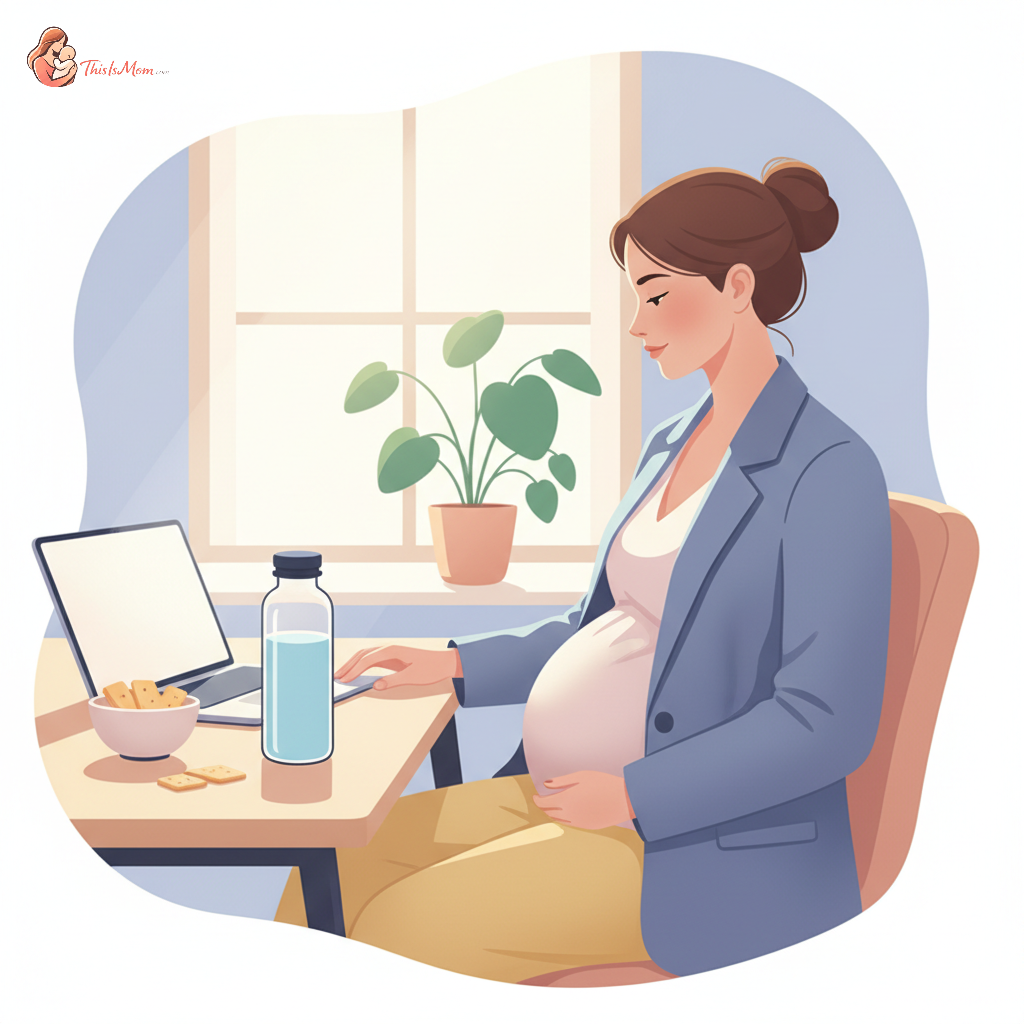
Managing Pregnancy Nausea at Work: Discreet Office Survival Tips for US Moms-to-Be
It's completely normal to wonder how you'll manage pregnancy nausea while working in an office. The first trimester can bring a whole new set of challenges, and experiencing nausea in a professional environment can feel isolating and, frankly, exhausting. As a mom who's sat with so many friends through this very journey, I know the feeling of wanting to keep your news private while also desperately needing relief. You're capable of navigating this, and this guide offers practical, discreet strategies to help you through your workday.
Understanding Nausea Triggers & Relief in the Office
In the office, certain smells, sights, or even the time of day can amplify nausea. Think about common culprits: the breakroom microwave, a colleague's perfume, or even just the fluorescent lights. Identifying your personal triggers is the first step. For many, it's about keeping your stomach from getting empty or too full, but certain textures or strong flavors can be a challenge in a shared space.
Conversely, simple remedies can be lifesavers. Small, bland snacks, cool air, and hydration are often your best friends. The key is finding what works for your body and what can be done without drawing unnecessary attention. This isn't about masking symptoms forever, but about finding moments of ease so you can focus on your tasks and your well-being.
Stealthy Sips & Snacks: Keeping Nausea at Bay
Keeping your stomach content without announcing your pregnancy is an art form. The goal is to maintain a steady, gentle intake of nourishment and fluids.
Hydration Hacks for Your Desk
Staying hydrated is crucial, as dehydration can worsen nausea. Water is ideal, but sometimes plain water can be unappealing.
- Infused water: Keep a water bottle with a few slices of cucumber, lemon, or lime. The subtle flavor can make it more palatable.
- Ice chips or popsicles: If drinking is difficult, sucking on ice chips or sugar-free popsicles can help you stay hydrated.
- Herbal teas: Opt for non-caffeinated, pregnancy-safe herbal teas like peppermint or ginger tea. Keep a few tea bags at your desk.
Small, Frequent Meals That Won't Draw Attention
Instead of three large meals, aim for a mini-meal or snack every 2-3 hours. This helps prevent your stomach from becoming too empty, which often triggers nausea.
- Stash smart snacks: Keep easily accessible, bland snacks at your desk. Think crackers, plain pretzels, rice cakes, or a small handful of almonds.
- "Sad desk lunch" survival: If a full lunch feels overwhelming, a few crackers and some cheese, or a small portion of plain yogurt, can be enough to tide you over.
- Bite-sized portions: If you do bring lunch, ensure it's something you can eat in small quantities without feeling pressured.
Ginger and Other Discreet Remedies
Ginger is a well-known natural remedy for nausea, and thankfully, there are discreet ways to incorporate it.
- Ginger chews or candies: Keep a tin of ginger chews in your drawer. They are easy to pop when you feel queasy.
- Ginger ale (real ginger): If you can find it, a small can of ginger ale made with real ginger can be soothing. Avoid artificially flavored versions.
- Vitamin B6: Some studies suggest Vitamin B6 can help with nausea. Discuss this with your healthcare provider before starting any supplements.
Mastering Your Workspace for Nausea Relief
Your immediate environment plays a significant role in how you feel. Sometimes, a few strategic adjustments can make a big difference.
Ventilation and Air Quality Tricks
Stuffy air or strong odors can be major nausea triggers in an office.
- Open windows (if possible): Even a few minutes of fresh air can clear your head and alleviate nausea.
- Personal fan: A small desk fan can help circulate air around you, creating a personal "fresh air zone."
- Avoid strong scents: Politely ask colleagues to refrain from wearing strong perfumes or colognes near your workspace. You might also keep a subtle, pleasant-smelling item like a clean handkerchief with a drop of peppermint essential oil (use sparingly) to hold under your nose if needed.
Strategic Breaks and Fresh Air
Regular breaks are essential for both physical and mental well-being, and they offer a chance to escape potential triggers.
- Short, frequent breaks: Step away from your desk for a few minutes every hour or so. A quick walk to the restroom or to the water cooler can help.
- Embrace your lunch break: If you can manage it, get outside during your lunch break. A short walk in the fresh air can be incredibly grounding.
- Quiet spaces: If your office has a quiet room or a less trafficked area, utilize it for brief moments of calm when nausea strikes.
Discover your baby's phase
Ergonomics to Minimize Discomfort
Sometimes, physical discomfort can exacerbate nausea. Ensuring your workspace is set up for comfort can help.
- Adjust your chair and desk: Make sure you're sitting comfortably, with good posture. Poor ergonomics can lead to tension, which might worsen nausea.
- Reduce screen glare: Adjust your monitor brightness or use a glare screen if eye strain is contributing to your discomfort.
Communicating with Confidence: When and How to Share Your News
Deciding when and with whom to share your pregnancy news at work is a personal choice. There's no single "right" time, and it often depends on your comfort level and your workplace culture.
Who to Tell and When (HR, Manager, Close Colleagues)
- Your Manager: Many choose to tell their direct manager first, especially if they anticipate needing accommodations or have upcoming projects that might be affected.
- Human Resources (HR): It’s a good idea to inform HR, especially if you might need to discuss medical leave, accommodations under the ADA (Americans with Disabilities Act), or understand company policies regarding pregnancy.
- Trusted Colleagues: Sharing with a close, trusted colleague can provide emotional support and practical help. They might be able to cover for you during a rough spell or simply offer a listening ear.
Framing Your Needs Professionally
When you do share, focus on what you need to continue performing your job effectively.
- State facts: "I'm experiencing some morning sickness, which is common in early pregnancy."
- Propose solutions: "I might need to take a few short breaks to manage it," or "I'd like to keep my workspace well-ventilated."
- Reassure them: Emphasize your commitment to your role and your desire to minimize disruption.
Leveraging FMLA or ADA (If Applicable)
- FMLA (Family and Medical Leave Act): If your employer is covered by FMLA and you qualify, this law can protect your job while you take unpaid leave for serious health conditions, which can include severe pregnancy-related nausea.
- ADA (Americans with Disabilities Act): If your pregnancy-related condition significantly impacts your ability to perform essential job functions, you may be entitled to reasonable accommodations under the ADA. This could include flexible work hours, a modified workspace, or more frequent breaks. It’s always best to discuss these options with your HR department and your healthcare provider.
Beyond the Office: Self-Care for Nausea Recovery
Your workday might be demanding, but your evenings and weekends are vital for recovery and preparing for the next day.
Optimizing Your Evenings and Weekends
- Prioritize rest: Go to bed earlier. Naps, if possible, can be incredibly beneficial.
- Gentle movement: Light stretching or a short, slow walk can sometimes help ease nausea.
- Nutritious meals: Focus on easily digestible, nutrient-dense foods in the evening, avoiding anything that you know might trigger your nausea.
Support Systems for Working Moms-to-Be
Don't underestimate the power of your support network.
- Partner and family: Lean on loved ones for emotional support and practical help at home.
- Mom groups: Connecting with other pregnant individuals or new mothers can provide invaluable shared experiences and advice.
- Mental health professional: If nausea is severely impacting your mental well-being, speaking with a therapist or counselor can offer coping strategies.
Knowing When to Consult Your Doctor (and Take Sick Time)
Your OB-GYN or midwife is your primary resource for medical advice.
- Persistent or severe nausea: If nausea is constant, preventing you from keeping food or fluids down, or significantly impacting your daily life, it’s time to call your doctor. This could be a sign of hyperemesis gravidarum.
- Medication options: They can discuss safe and effective medication options if lifestyle changes aren't enough.
- Doctor's notes: If you need to take sick time, get a doctor’s note to support your absence.
Navigating pregnancy symptoms while working in a professional setting is a testament to your strength and adaptability. Remember that your body is going through profound changes, and it's okay to need support and to make adjustments. Trust yourself, honor what your body is telling you, and know that this phase is temporary. You’ve got this, mama.