5 Tips: Managing Toddler Frustration in Potty Training
Potty training setbacks got you down? Learn 5 gentle tips for managing toddler frustration and your own, ensuring a supportive and calm approach to accidents.
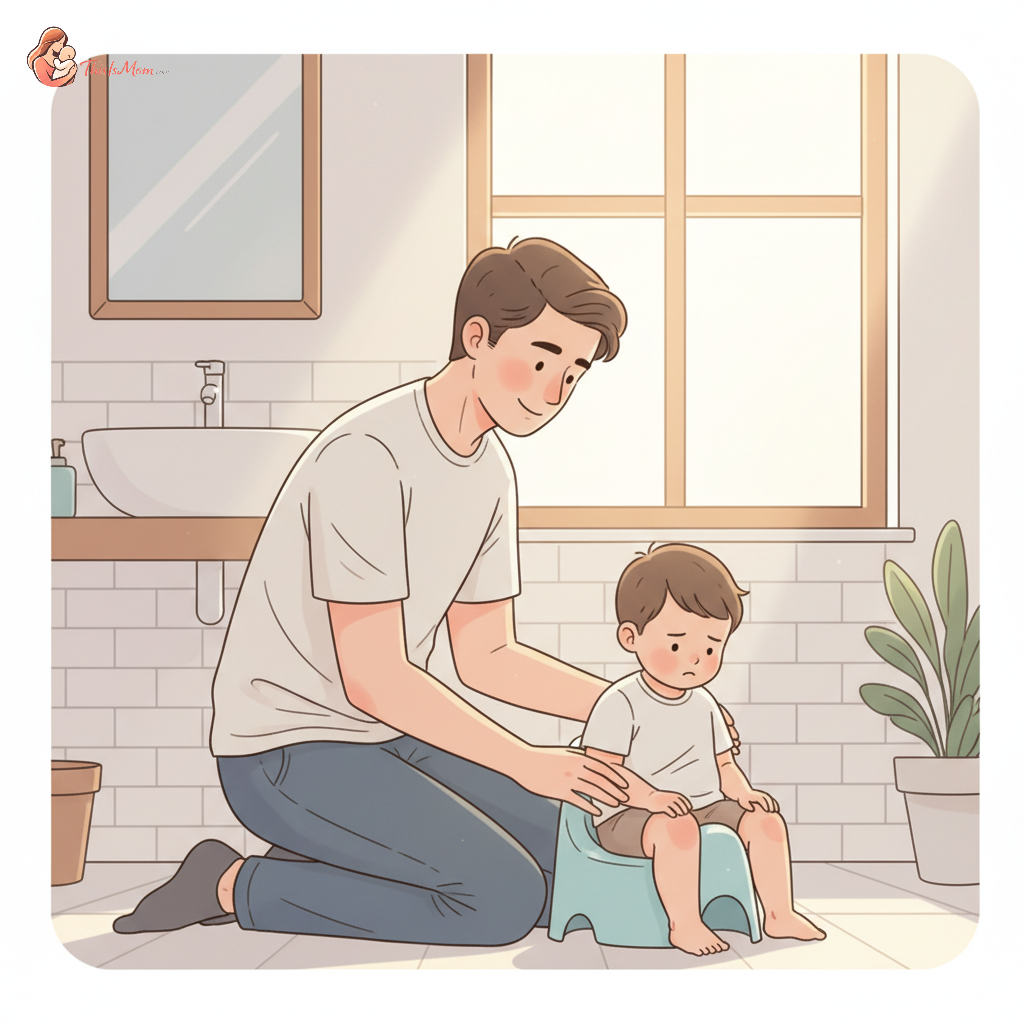
Toddler Potty Training Setbacks: 5 Tips for Managing Frustration
With my first child, I was convinced potty training was a simple linear path. By the time my fourth child was in diapers, I’d learned that "progress" often looks more like a squiggle than a straight line. Looking back, the biggest lesson was understanding that setbacks are not failures, but invitations to connect. If I could tell my younger self one thing, it would be to embrace the mess. This journey of managing toddler frustration during potty training setbacks is less about the destination and more about staying calm while you both figure it out.
It’s Not a Race, It’s a Season
Why the Bumpiness is Beautifully Normal
There are many reasons a child might seem to take two steps forward and one step back in potty training. Sometimes it’s as simple as a new sibling arriving, a move, or even a minor illness that throws their whole world off kilter. Even a significant change in their childcare routine can trigger a potty training regression. They’re not doing it to make your life harder, I promise. Their little bodies and big emotions are just processing the world differently.
Stress is a powerful thing, even for the littlest among us. When a child feels overwhelmed, the skills they’ve worked so hard to master can feel shaky. It’s not defiance; it’s a sign they need extra support and understanding. Think of it like training wheels coming off a bike – there might be a wobble or two before they find their balance again.
Speaking Their Language (and Yours)
The Art of "I Get It, And We'll Figure It Out"
When your toddler has an accident, the first instinct might be a sigh or a gentle reprimand. But words matter. Instead of "Oh no, you peed on the floor," try something like, "Oops, a little accident happened. Let's get cleaned up." You’re acknowledging what occurred without judgment.
The key is to validate their feelings without necessarily condoning the behavior. If they’re upset about an accident, you can say, "It’s okay to feel frustrated when accidents happen. I feel frustrated too sometimes when things don’t go as planned. But we’re a team, and we’ll get through this together." This kind of supportive language is crucial for toddler potty training frustration.
Here are some practical tips for your potty training emotional support toolbox:
- Stay Calm: Your reaction sets the tone. Take a deep breath.
- Focus on Cleanup: Make it a team effort, not a punishment. "Let’s grab our towels and get this dry."
- Reiterate the Goal: Gently remind them, "We’re working on using the potty when we feel the urge."
- Offer Choice (Within Limits): "Would you like to wear blue underwear or red underwear today?"
- Praise Effort, Not Just Success: "I saw you sit on the potty, that’s great trying!"
Accidents on Purpose… Or Is It?
Peering Behind the Behavior
Discover your baby's phase
This is where many parents’ frustration can really peak – when it seems like your toddler is having potty training accidents on purpose. In hindsight, it's rarely about deliberate defiance. More often, it’s about control, communication, or a misunderstanding. Your child might not be able to articulate that they’re feeling anxious, or that they’re holding it because they don’t want to miss out on playtime.
The difference between defiance and developmental stages is subtle but important. While defiance looks like a direct challenge, what appears as defiance might be a child expressing discomfort, fear, or a need to test boundaries in a safe way. Power struggles over the potty are incredibly common.
Our goal isn't to win the battle, but to foster cooperation. Instead of forcing them onto the potty, try making it more appealing. Perhaps a special potty book, a fun song, or a small reward system that celebrates consistent effort, not just perfect success. How to handle potty training setbacks often comes down to shifting your perspective from 'my child is misbehaving' to 'my child is communicating a need.'
Knowing When to Seek a Second Opinion
Is it Just a Phase, or Something More?
Most potty training regression tips focus on patience and understanding, and that's usually the right approach. However, there are times when a little extra support is needed. If accidents are sudden, frequent, and accompanied by other symptoms like pain, burning during urination, or a strong odor, it's always wise to check in with your pediatrician. Urinary tract infections (UTIs) are common in young children and can make potty training incredibly uncomfortable.
Persistent extreme anxiety around the potty, or a strong refusal that goes beyond normal ups and downs, might also warrant a conversation. Sometimes, a child might need help processing the emotional aspect of potty training. Your pediatrician can help rule out any medical causes and might offer additional strategies or referrals if needed. The important thing is to trust your gut.
Taking Care of the Grown-Up in the Potty Room
Your Own Emotional Reset Button
Let’s be real: navigating potty training setbacks can be exhausting. It’s easy to feel like you’re failing, or that your child is intentionally making things difficult. It’s crucial to acknowledge your own feelings without guilt. You are human, and frustration is a valid response.
When you feel your own patience wearing thin, try one of these quick resets:
- Step Away: If possible, and if your child is in a safe space, take a few deep breaths in another room for 60 seconds.
- Hydrate: A quick drink of water can be surprisingly grounding.
- Count to Ten (or Twenty): A classic for a reason.
- Positive Self-Talk: Remind yourself, "This is hard, but it's temporary."
Celebrate the small victories. Did your child tell you they needed to go? Fantastic! Did they stay dry for a whole hour? Wonderful! Focusing on these little steps forward, rather than dwelling on the accidents, can make a huge difference in your outlook. This journey is about progress, not perfection.
This season of potty training ups and downs will pass. Your ability to offer grace, patience, and understanding will not only help your child succeed but will strengthen your bond, and that’s a victory worth celebrating.